
Last updated November 25, 2026
 Sweep & inspection
 Caps & crowns
 Flue relining
 Masonry repair
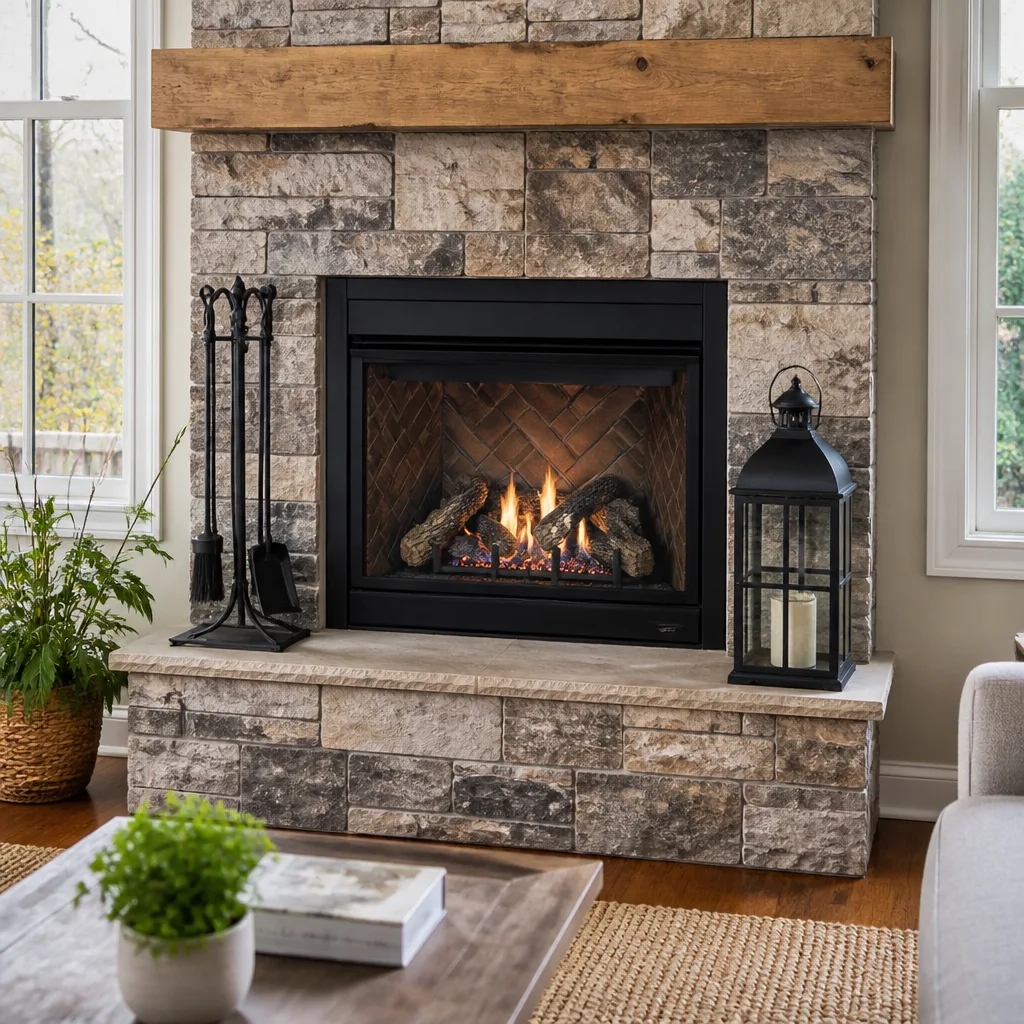 Gas fireplace service
Level 1 sweep and inspection to the NFPA 211 annual standard - flue, crown, cap, and flashing checked and photographed
Chimney sweep logs do not sweep chimneys. They loosen some creosote - which then falls where a brush and vacuum still have to collect it.
Seasonal Chimney Cleaning Care for Lake Stevens: Year-Round Homeowner’s Guide
Waiting until the first cold snap to think about your chimney feels natural, and it’s the most common timing mistake we hear about. In Lake Stevens, the wet season usually settles in by September, well before most homeowners light their first fire. A flue that sits through weeks of rain and cool nights collects moisture and debris that a late-autumn sweep can’t undo. The chimney is a system, and the liner, crown, cap, and flashing all react to what each season throws at them. This guide breaks the year into four seasons of real tasks, tuned to how Lake Stevens weather treats a chimney, so you know what to check, what can wait, and what needs a professional.
Quick Answer
For a Lake Stevens home, the best time to schedule a chimney sweeping is late August or early September, before sustained rain traps debris and moisture in the flue. Then add a post-season inspection in spring to catch corrosion and thermal damage, and use the dry summer months for any structural, crown, or liner work. A quick check after the first hard freeze of the year catches thermal-shock cracks early.
Styles & brands we work with
- Sweep & inspection
- Caps & crowns
- Flue relining
- Masonry repair
- Gas fireplace service
Table of Contents
- Why Lake Stevens Weather Sets a Different Chimney Calendar
- Late Summer and Early Fall: The Prime Cleaning Window
- After the First Hard Freeze: What to Check
- Winter Care During the Burn Season
- Spring Tasks After the Burn Season Ends
- Summer as the Repair Window
- Protecting an Unused Chimney Through Summer
- The Full Lake Stevens Service Calendar at a Glance
Why Lake Stevens Weather Sets a Different Chimney Calendar
Generic advice says “sweep your chimney once a year.” That’s true, but the timing matters a lot more here than a calendar reminder suggests. Lake Stevens sits in western Washington, where the summer is short and dry and the wet season runs long. That produces a predictable four-season cycle of stress on a chimney system: a dry stretch for repairs, a rainy ramp-up in the fall, a freezing stretch in mid-winter, and a damp spring that finishes the job.
During a Lake Stevens burn season, a wood-burning fireplace goes through roughly four to five months of real use. The rest of the year, the chimney sits mostly idle while rain, wind, and temperature swings work on the masonry, the cap, and the crown. Each of those phases damages the chimney in a specific way, and each one has a specific task that addresses it best.
- Fall: rain and cool weather ramp up creosote moisture and debris accumulation. Cleaning before this happens is the safest move.
- Winter: freeze-thaw cycles stress mortar and masonry. Thermal shock shows up as cracks in predictable spots.
- Spring: condensed moisture mixes with leftover creosote acids and accelerates corrosion on the liner and damper.
- Summer: dry weather is the only reliable window for structural repair, crown coating, and liner installation.
If you’re new to the area or to owning a wood-burning home, start with Chimney Sweep Lake Stevens as your anchor service, then work the tasks around it season by season. The rest of this guide takes each phase in turn so you can plan the year instead of reacting to it.
Late Summer and Early Fall: The Prime Cleaning Window
Late August or early September is the optimal time for a chimney sweeping in Lake Stevens. Scheduling it then clears creosote and debris from the flue before the wet season begins, so rain doesn’t seep into a dirty chimney and start breaking down the mortar.
The logic is simple. Creosote and soot, once they build up, absorb and hold moisture. When sustained fall rain starts hitting an unswept flue, that moisture has nowhere to go but into the same surfaces you’d rather keep dry. The chimney also spends the summer mostly idle, so an end-of-summer sweep catches a full year’s accumulation at once, before the first fire.
What a late-summer visit includes
- Flue cleaning: a proper chimney sweep removes soot and creosote from the flue and firebox so the system starts the season clear.
- Visual check of the cap and crown: the two barriers that keep water out. If either has cracked or shifted over the summer, now is when you fix it, before the rain.
- Draft and damper check: confirms the chimney will pull correctly the first time you light a fire, not after a callback.
- Documentation: a formal inspection record you can keep on file for insurance or resale, if you need one.
The sweep is also the natural moment to book any repairs you’ve been putting off. Cleaning and inspection share the same visit, so you get one clear picture of the system before the burn season rather than two separate appointments in the rain. That single-visit scope is one of the reasons we encourage homeowners to treat late summer as the reset point for the whole year.
After the First Hard Freeze: What to Check
Once Lake Stevens gets its first hard freeze of the year, check the visible chimney exterior and the masonry above the roofline for new cracks. Freeze-thaw cycles put thermal stress on the chimney, and cracks tend to appear in predictable locations: at the crown, along mortar joints near the top, and around the flashing where the chimney meets the roof.
Here’s what’s happening inside the masonry. Mositure that found its way into small cracks or porous mortar expands when it freezes. That expansion widens the crack, the ice thaws, water fills it again, and the next freeze pushes it further open. Repeat that cycle across a Lake Stevens winter and a hairline crack becomes a real pathway for water.
What to look at after the freeze
- The crown: the concrete or masonry top of the chimney. Any new crack or spalled edge here is the first sign thermal stress is working on your system.
- Mortar joints near the top: upper courses take the most freeze-thaw abuse and are the first to show it.
- Flashing at the roofline: a small gap or lifted edge lets meltwater straight into the house.
- The cap: a loose or cracked cap invites both water and wildlife.
You don’t need to climb onto a roof to check these. Use binoculars from the yard or a camera on a pole to document what you can see. If anything looks newly cracked or shifted, that’s a good trigger for a professional look rather than a ladder. This mid-winter check is a quick one, but it catches thermal damage when it’s still cheap to address.
Winter Care During the Burn Season
During the Lake Stevens burn season, your main job is to feed the fire cleanly and watch for signs the chimney is struggling. A chimney that’s drafting poorly, smoking into the room, or showing a sudden change in how it burns is telling you something. Don’t ignore it and keep burning.
Burning seasoned, dry wood is the single most effective thing you can do all winter to keep creosote accumulation down. Wet wood produces more smoke and more of the sticky, acidic deposits that damage a liner over time. Store your firewood covered and off the ground so it stays dry through the wet season.
Warning signs to watch for mid-winter
- Smoke rolling back into the room when you light or reload a fire.
- A stronger or different smell from the fireplace than usual.
- Visible soot or creosote buildup at the firebox or damper.
- Water stains or a musty smell on the chimney breast or ceiling near it.
- Any crumbling mortar or loose pieces falling into the firebox.
If creosote has built up significantly before the season ends, a mid-season sweep may be worth it. Advanced creosote is a real fire hazard, and it also corrodes the liner. When in doubt, get it looked at rather than push a dangerous flue through another month of fires. A professional visit in mid-winter isn’t unusual in Lake Stevens, and it’s cheaper than a chimney repair.
Spring Tasks After the Burn Season Ends
Spring is the season for a post-burn inspection, and this is the task most homeowners skip. Once the last fire of the season goes out, the deposits left in the flue start interacting with the damp spring air. Condensed moisture mixes with leftover creosote acids, and that combination corrodes the liner, the damper, and metal components faster than dry creosote ever would.
A spring inspection catches that accelerated corrosion early, while a repair is still small. It also documents the system’s condition after a full winter of use. That’s the right time to make a plan for any repair work, so it can be executed during the dry summer window rather than rushed before the next burn season.
What a spring post-season visit covers
- Liner condition: a look for cracks, gaps, or corrosion in the flue lining system.
- Damper and firebox: checks for rust and corrosion from spring humidity.
- Crown and cap reassessment: whether the winter freeze-thaw cycle did damage you’ll need to fix over summer.
- Documentation: a written record of condition you can keep on file.
If the spring inspection finds the liner has degraded, that starts a conversation about relining. It’s also where a service like fireplace repair fits, especially if the firebox, damper, or hearth has been affected by a long, wet winter. Ask for the assessment in writing so you can compare it year over year and see whether the system is holding steady or trending in the wrong direction.
Summer as the Repair Window
Summer is the only reliable window for structural chimney work in Lake Stevens. The dry months give masonry and coatings time to cure without rain interrupting the process, which is exactly why any substantial repair should be planned for this stretch rather than squeezed into fall.
Chimney repair in wet weather is problematic. Mortar that’s been applied over damp masonry won’t bond the way it should. A freshly coated crown can be ruined by a single rain shower before it cures. A newly installed liner system wants a dry flue so the seal and the bond are clean. In short, the repair that would last for years during the dry months can be compromised if it’s done during the rainy season.
Repairs that belong in the dry months
- Crown repair and coating: the crown is the chimney’s main defense against water intrusion. Coating or rebuilding it needs dry weather to cure.
- Liner installation: professional-grade flexible liners like DuraFlex or a resurfacing system like HeatShield want a dry flue for a clean install. These are materials most handymen don’t carry or spec.
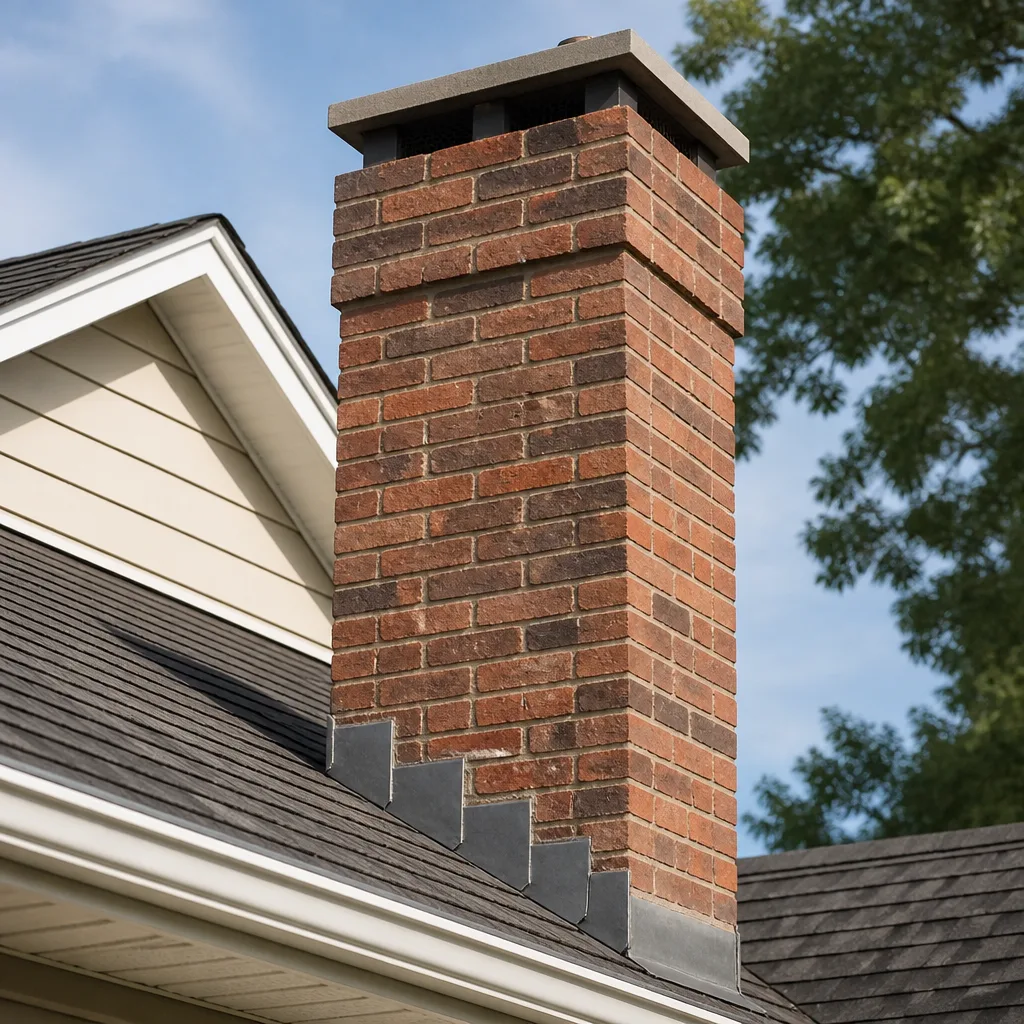
- Masonry repair: repointing mortar joints and replacing damaged brick. Damp masonry doesn’t allow a good bond.
- Cap installation: simple but best done when the roof is dry and safe to access.
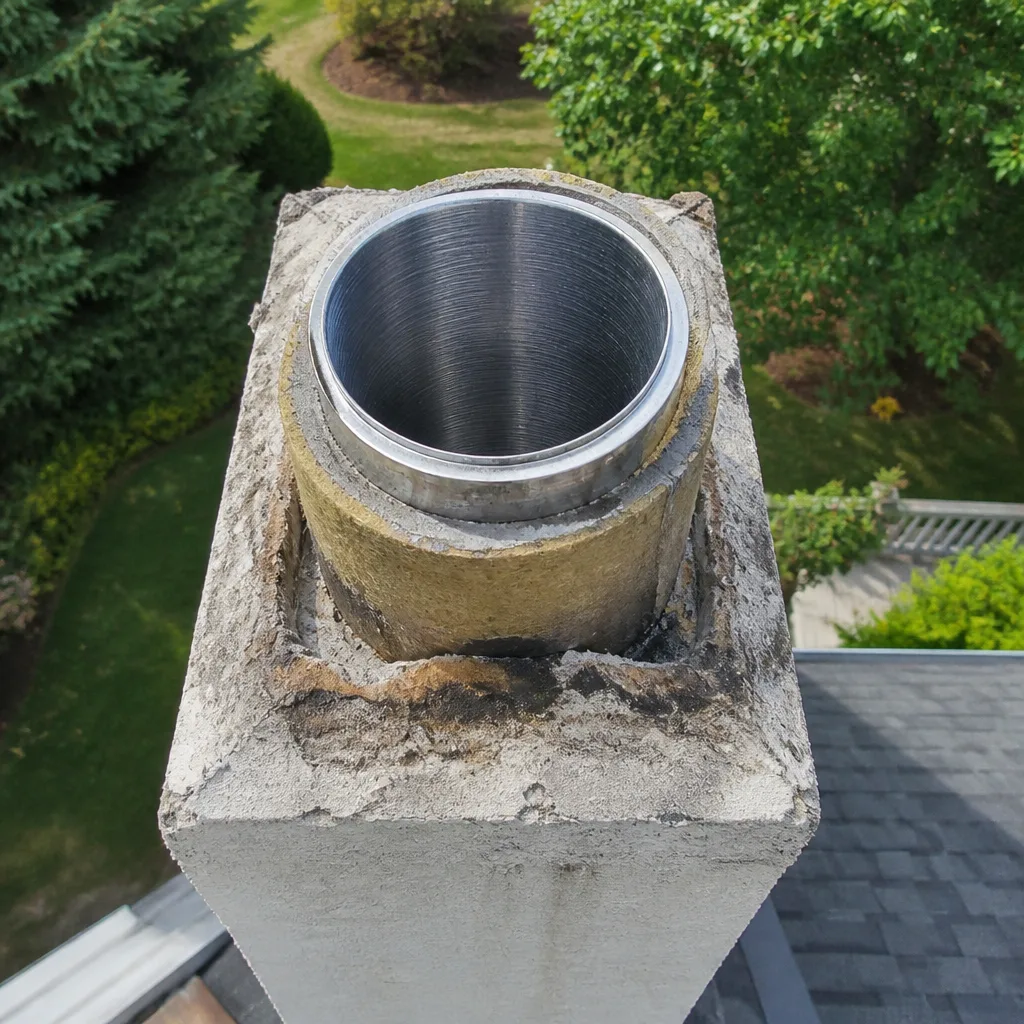
If you’ve been putting off a chimney repair, this is the season to schedule it. It’s also when we can make the strongest recommendation between flexible relining (DuraFlex) and resurfacing a still-viable flue with HeatShield. Both extend chimney life without a full demolition. The right choice depends on what the inspection shows, and that’s a call to make based on evidence, not guesswork.
Protecting an Unused Chimney Through Summer
An unused chimney is not a dormant one. Through a Lake Stevens summer, an open flue is a target for birds and other wildlife nesting, for wind-driven rain, and for UV damage to exposed mortar. Protecting it in the dry months saves real repair work later.
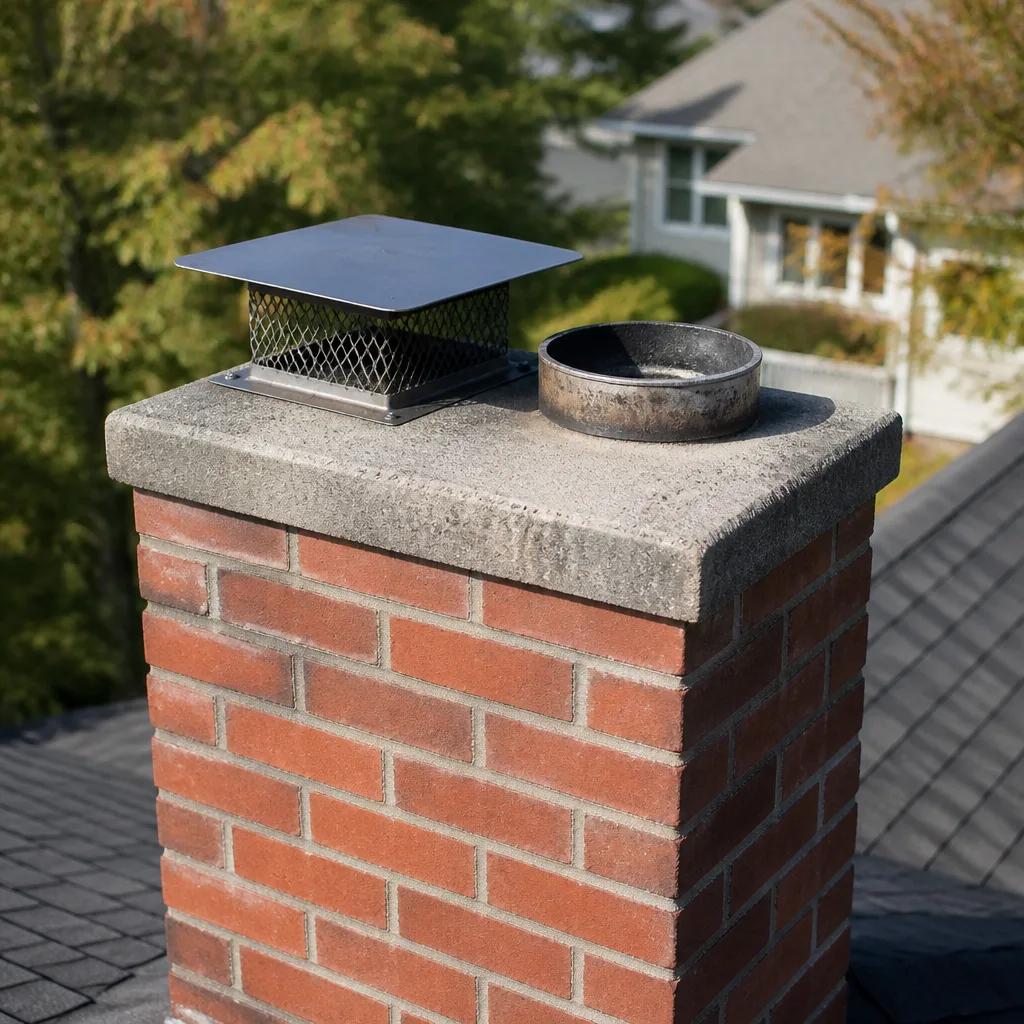
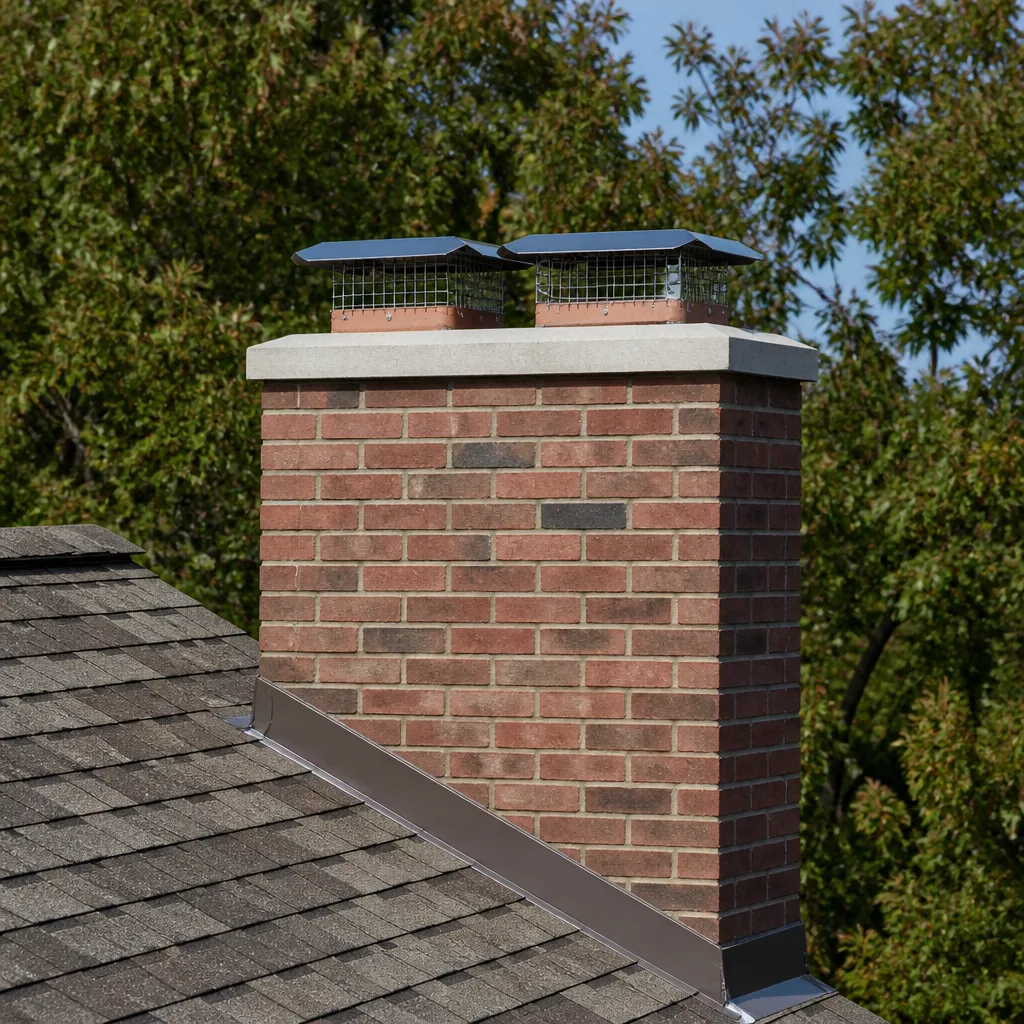
The first thing to check is the cap. A proper chimney cap keeps animals out and shields the flue from direct rain, and it’s one of the most common causes of water damage when it’s missing or damaged. If you don’t have a cap, or yours is loose or torn, adding or repairing one is a straightforward summer project that pays for itself by keeping water and wildlife out.
Summer protection checklist for an idle chimney
- Confirm the cap is intact and secure. No gaps, no tears, no missing sections.
- Check the flue for nesting material or debris. A sweep will clear anything that got in over the prior year.
- Inspect the crown for cracks. The dry season is the right time to coat or repair it.
- Look at mortar on the sunny side of the chimney. UV exposure degrades mortar over the long summer, and small losses are easiest to fix before fall.
- Check flashing at the roofline. A small summer repair stops a fall leak.
If your chimney isn’t going to be used at all, that’s still a reason for one visit in the season. A quick look and any cap or crown work fresh in the dry weather means the system is protected going into the wet season, and you start the fall clear rather than playing catch-up in the rain.
The Full Lake Stevens Service Calendar at a Glance
Here is the whole year reduced to a single view, so you can schedule the right task at the right time without re-reading the season sections. In our experience, homeowners who follow this structure avoid the fall rush and the winter surprises that come from a neglected system.
- Late August to early September: full chimney sweep and inspection. This is the prime cleaning window in Lake Stevens.
- After the first hard freeze: quick exterior check of crown, mortar near the top, flashing, and cap.
- Mid-winter: watch for draft problems and creosote buildup; burn dry, seasoned wood.
- Spring: post-season inspection to catch accelerated corrosion from condensed creosote acids.
- Summer: structural repairs, crown coating, liner installation (DuraFlex or HeatShield), masonry work, cap installs.
- Any unused period: confirm the cap, clear the flue, check mortar for UV degradation.
One call covers it. Because we handle sweeping, inspection, masonry repair, and cap and crown installation as one service, you don’t need to source multiple contractors for a system that needs to be seen as a whole. Our technicians have up to 15 years of experience, and we install and specify professional-grade materials from brands like Olympia Chimney and Famco, plus Copperfield components and DuraFlex liners, because those are what professionals specify. A chimney repair or a relining decision is easier to make when the same team that cleaned the flue is the one proposing the fix.
Common Mistakes to Avoid
- Scheduling the sweep for October. The wet season in Lake Stevens usually starts before October, so a sweep that late can come after moisture has already started working into the creosote. Aim for late August or early September.
- Skipping the spring inspection. Many homeowners assume one sweep per year is enough and never look at the system after the burn season. That’s exactly when condensed moisture is corroding the liner.
- Doing major repairs in the rainy season. Crown coating, liner work, and masonry repair all need dry weather to cure properly. Summer is the window, and forcing it into fall shortens the life of the repair.
- Ignoring the crown and cap. These two components do the most to keep water out. Neglecting them is the most common way a chimney gets expensive.
- Climbing onto the roof to “just take a look.” Roof work is a fall hazard. Use binoculars or a camera on a pole from the yard, and leave the roof to a professional.
- Letting an unused chimney sit open all summer. No cap means rain, nesting, and UV exposure all have a free run at your masonry and flue.
- Burning wet or unseasoned wood. This is the leading cause of the heavy, acidic creosote that damages liners and creates fire risk during the Lake Stevens burn season.
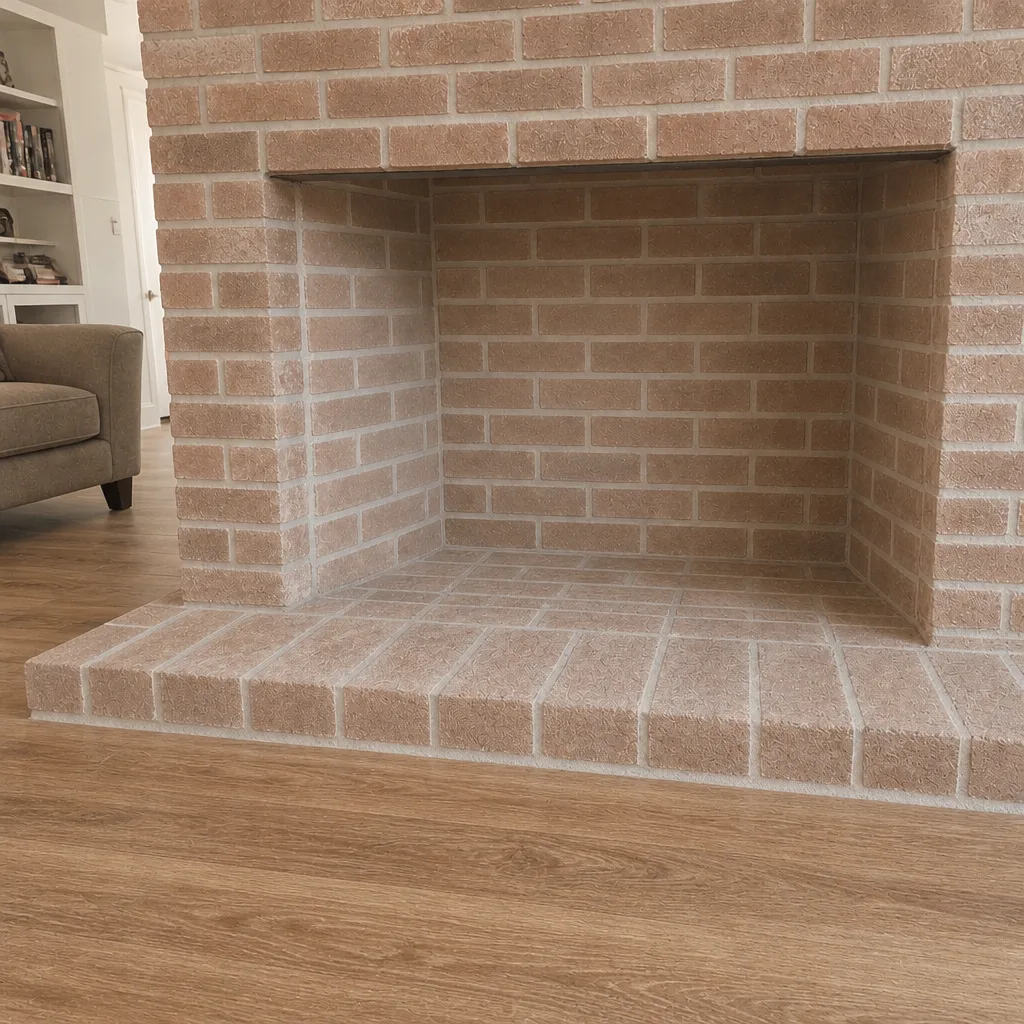
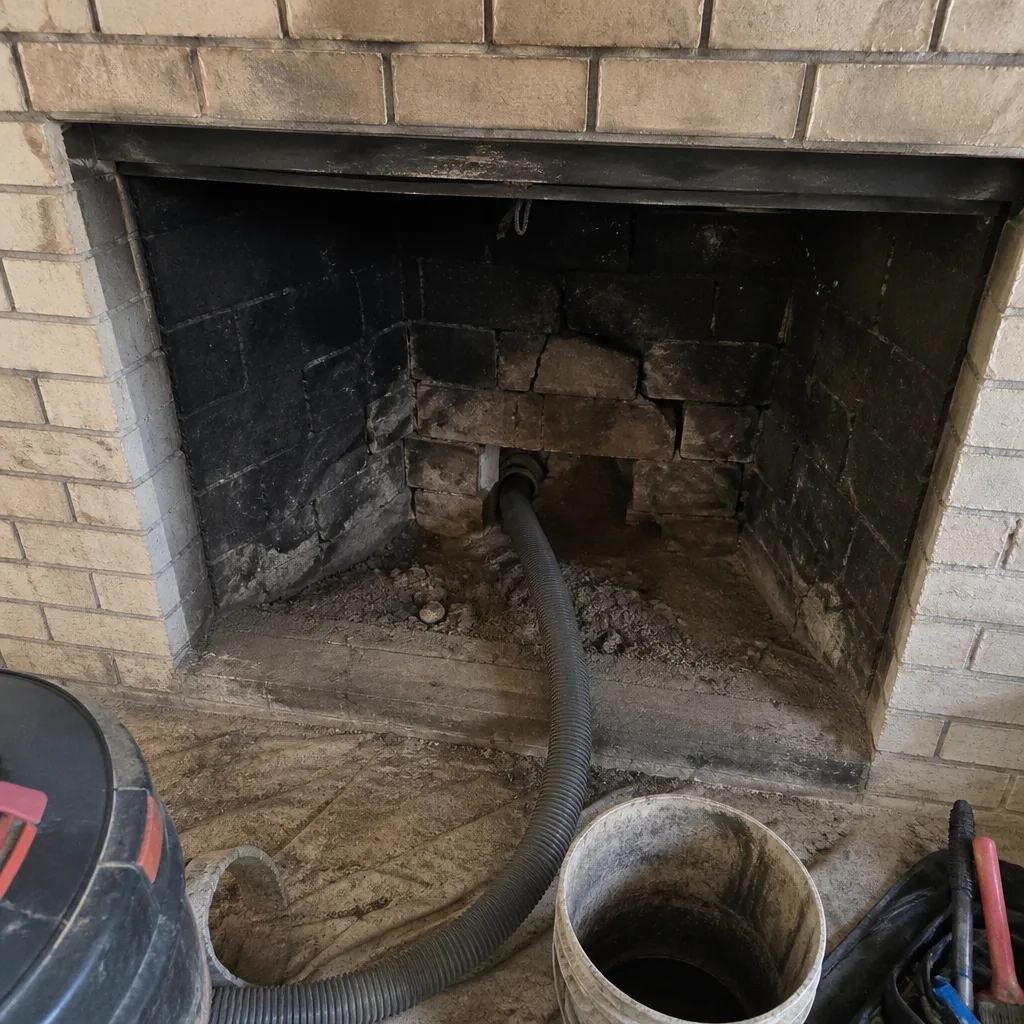
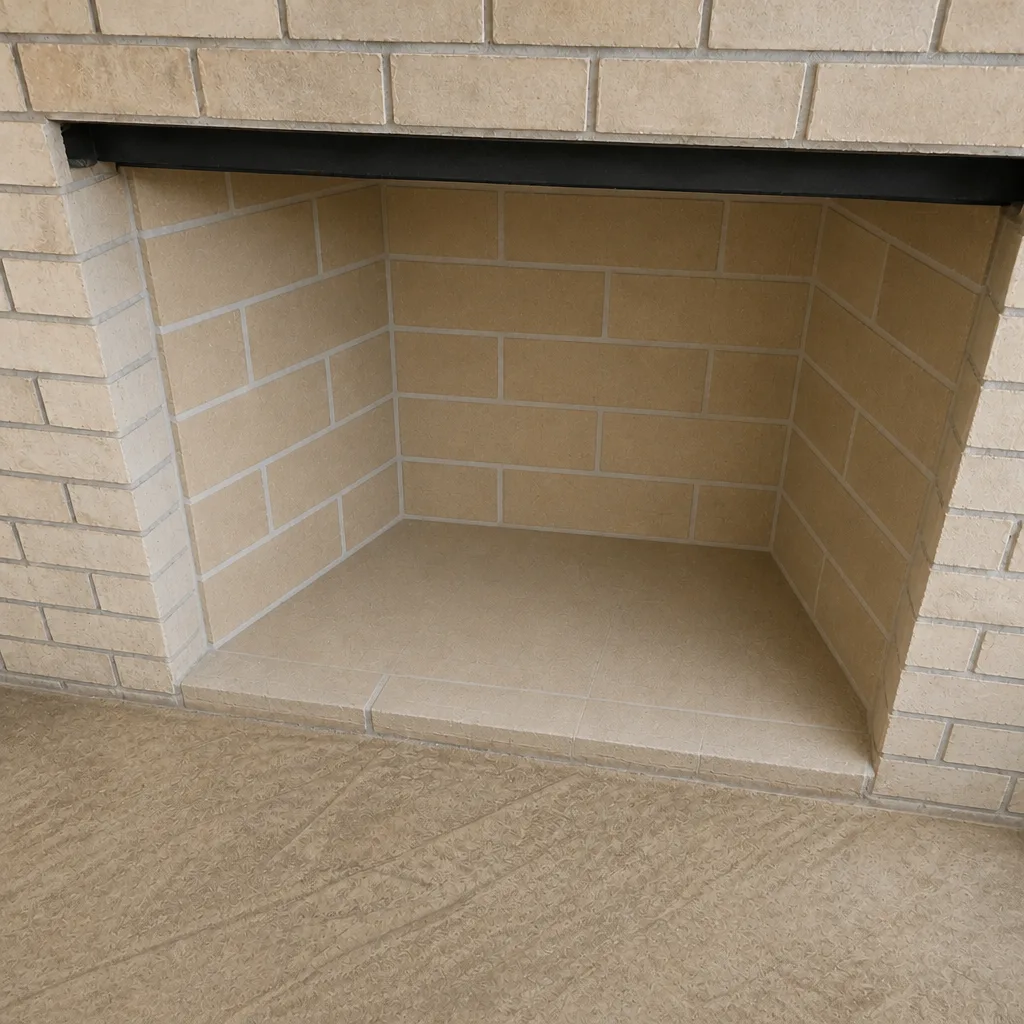
See the difference
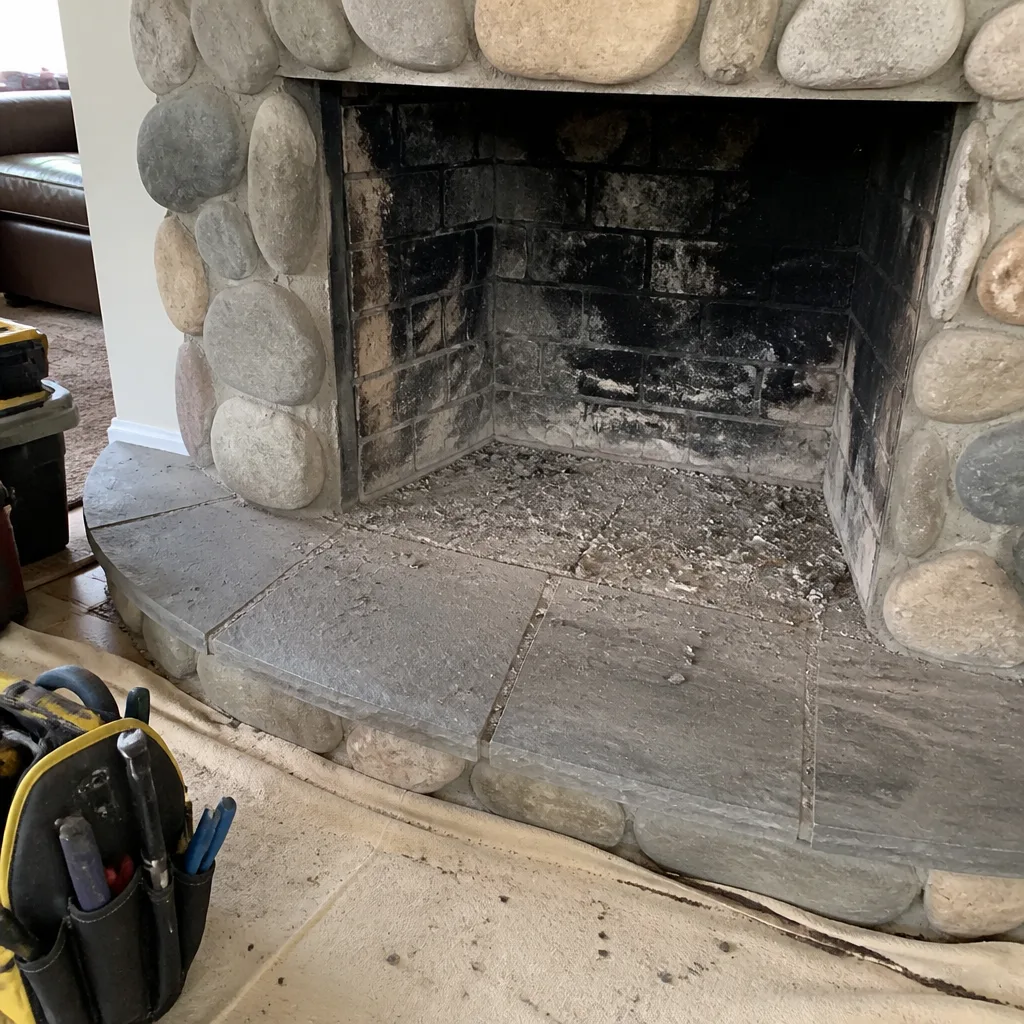 Before
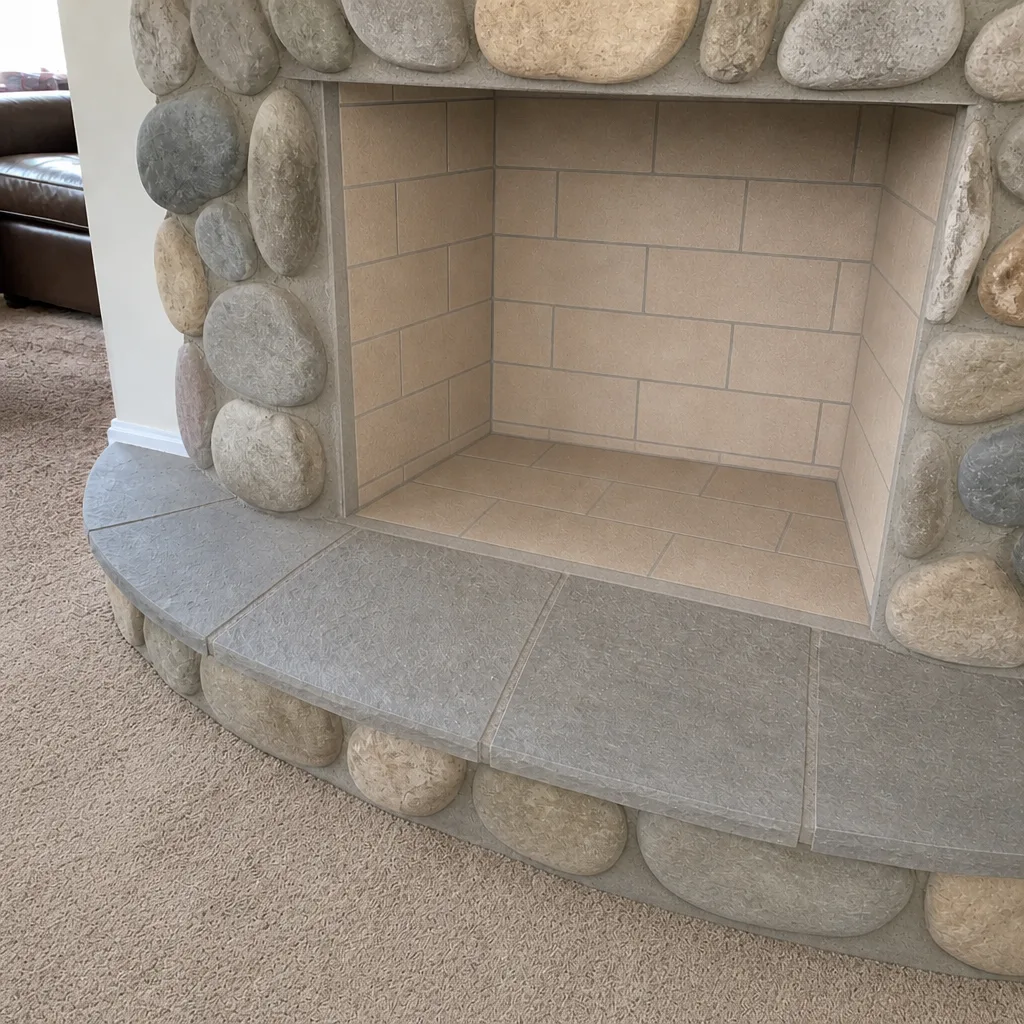 After
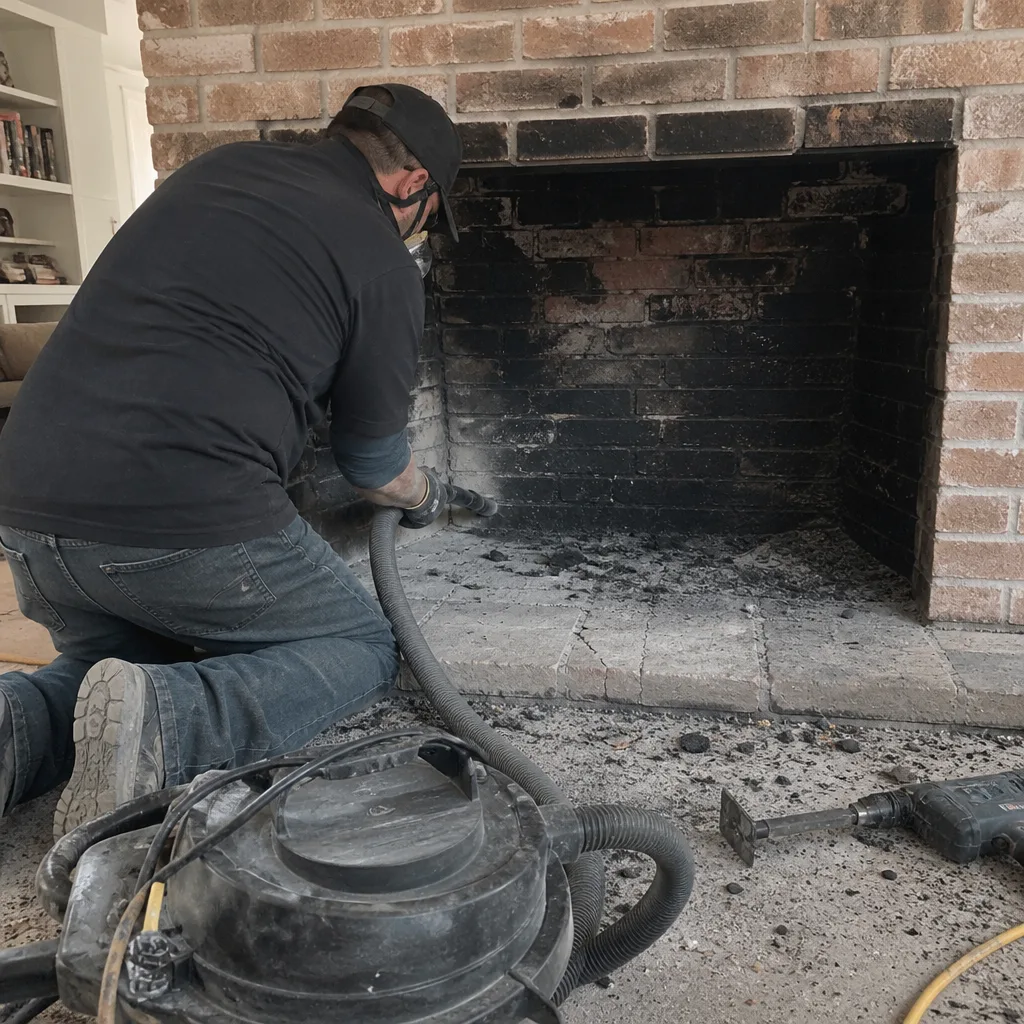 Before
 After
 Before
 After
When to Call a Professional
Call a professional if you see any crack in the crown, a loose or missing cap, crumbled mortar above the roofline, water stains on the chimney breast, or smoke backing into the room. Call after the first season of use if you’ve never had the flue inspected. Call immediately if you smell gas from a gas fireplace or if a fire has ever happened inside the flue, because those situations need a professional assessment, not a visual once-over. Our technicians have up to 15 years of experience, and we work with professional liner systems and components including HeatShield, Gelco, and Olympia Chimney, because those are what a proper repair is built on. Chimney Sweep Lake Stevens offers free estimates in Lake Stevens, so the first step is a conversation, not a commitment. Call (855) 550-7486. We answer 24/7. Fast dispatch from 7am to 7pm, Sunday through Friday.
Frequently Asked Questions
The best time is late August or early September, before the wet season sets in. Cleaning then clears creosote and debris before rain can soak into an unswept flue and start breaking down the mortar. Call (855) 550-7486 to get on the calendar for that window.
Yes, a spring post-burn inspection is worth it because it catches corrosion that happens after the burn season, when leftover creosote acids meet damp spring air. The fall sweep confirms the system is ready for use; the spring inspection confirms it survived the winter. Call (855) 550-7486 to book one.
Most structural repair work, crown coating, and liner installation should happen in the dry summer months, because mortar and coatings need a dry cure. A fall or winter repair is possible only when weather allows. If the inspection shows work can safely wait for summer, we’ll tell you so. Call (855) 550-7486 for a free estimate.
Thermal shock from freeze-thaw cycles causes those cracks. Water gets into small cracks or porous mortar, expands when it freezes, widens the crack, and the next freeze pushes it further open. They appear most often at the crown, near the top mortar joints, and around the flashing. Call (855) 550-7486 if you spot a new one.
Confirm the cap is intact and secure, have the flue cleared of any nesting or debris, check the crown for cracks, and look at mortar on the sunny side for UV loss. The cap and crown are the two barriers that matter most against summer water intrusion and wildlife. Call (855) 550-7486 to schedule a summer check.
Yes, we work on the chimney system for both gas and wood-burning setups, and that includes inspection, liner assessment, and repair. Gas fireplaces have different venting needs than a wood-burning flue, so the inspection looks at venting and the firebox rather than creosote. Call (855) 550-7486 for a free estimate.
The Bottom Line
A chimney in Lake Stevens doesn’t need more cleaning than once a year, but it does need the right task in the right season. Sweep in late summer before the rain, check the exterior after the first freeze, watch the system through the burn season, inspect in spring for corrosion, and do your repair work in the dry summer months. Protect an idle chimney with a solid cap and an intact crown, and it will stay safer and last longer. If you’re ready to plan the year for your system, call (855) 550-7486 for a free estimate. We answer 24/7. Fast dispatch from 7am to 7pm, Sunday through Friday.
Written by the team at Chimney Sweep Lake Stevens.