
Last updated November 25, 2026
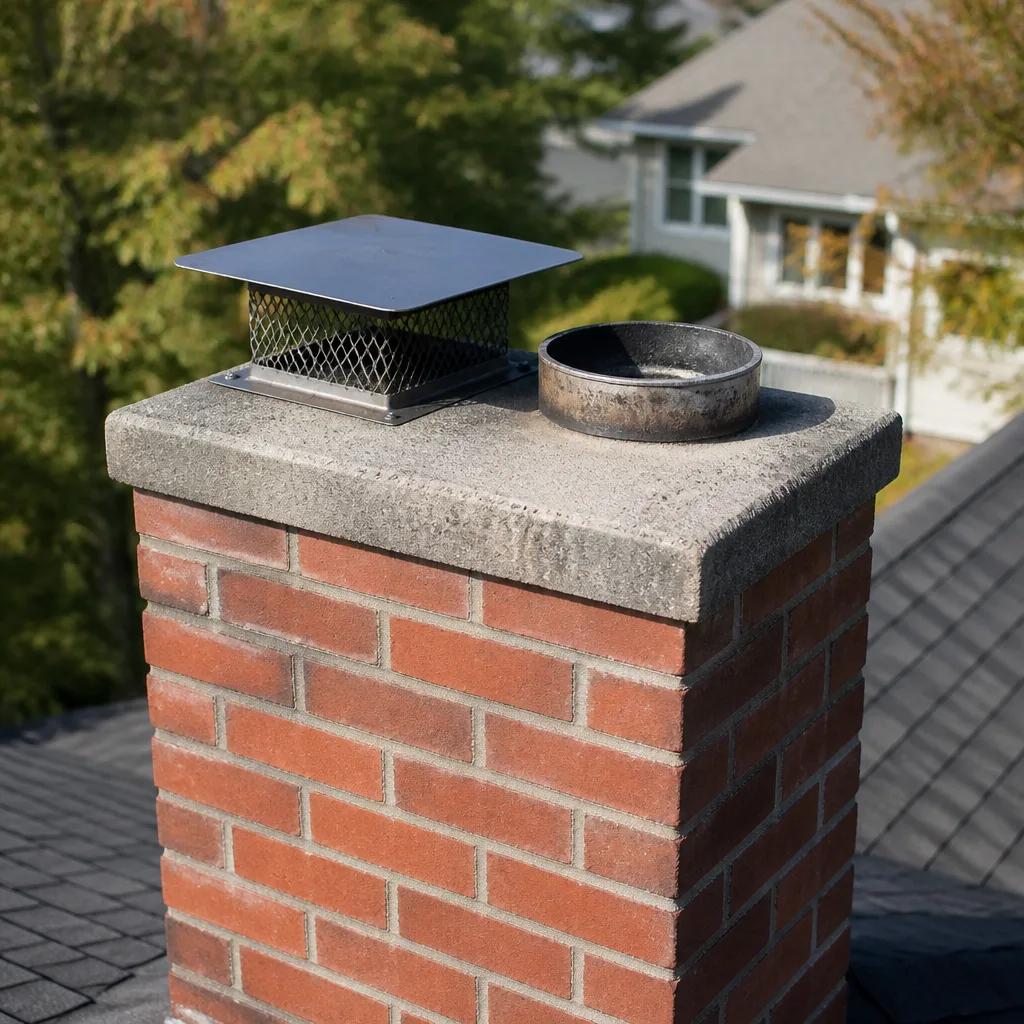 Sweep & inspection
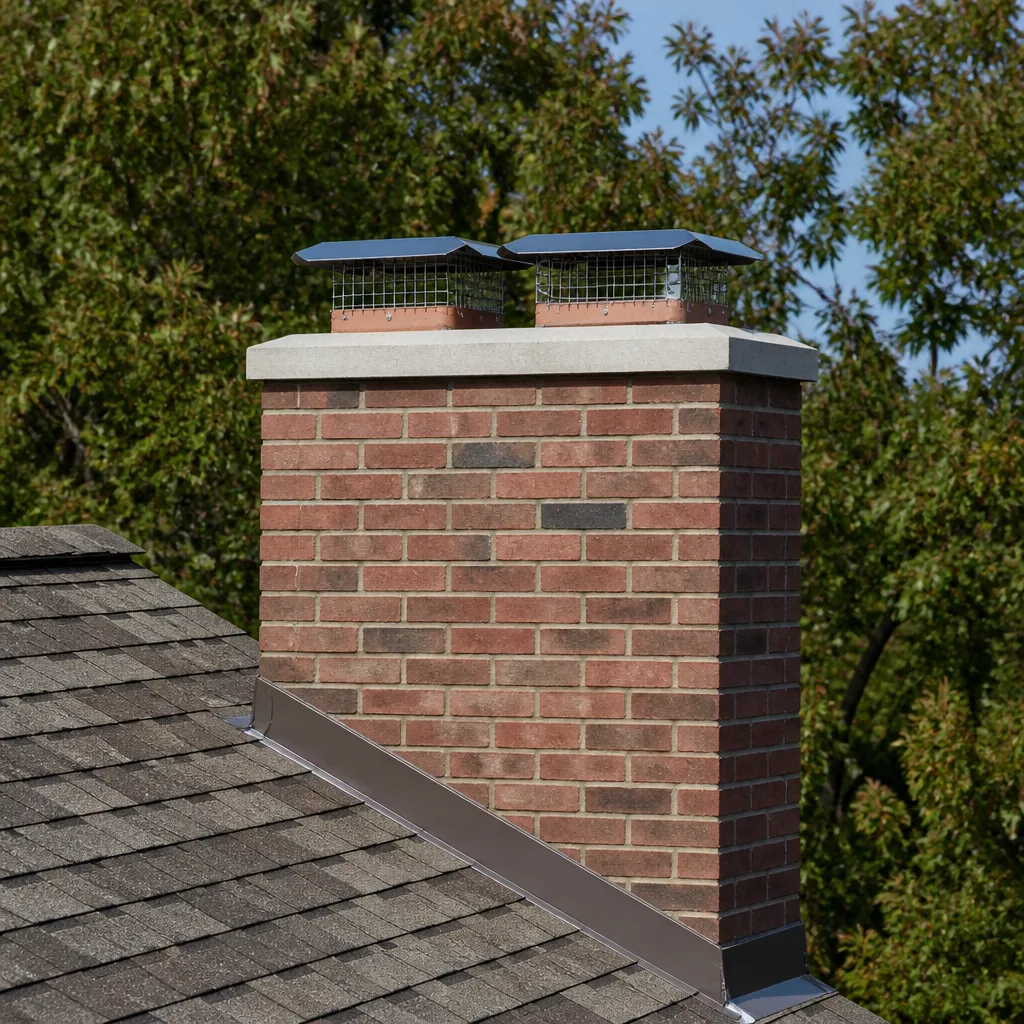 Caps & crowns
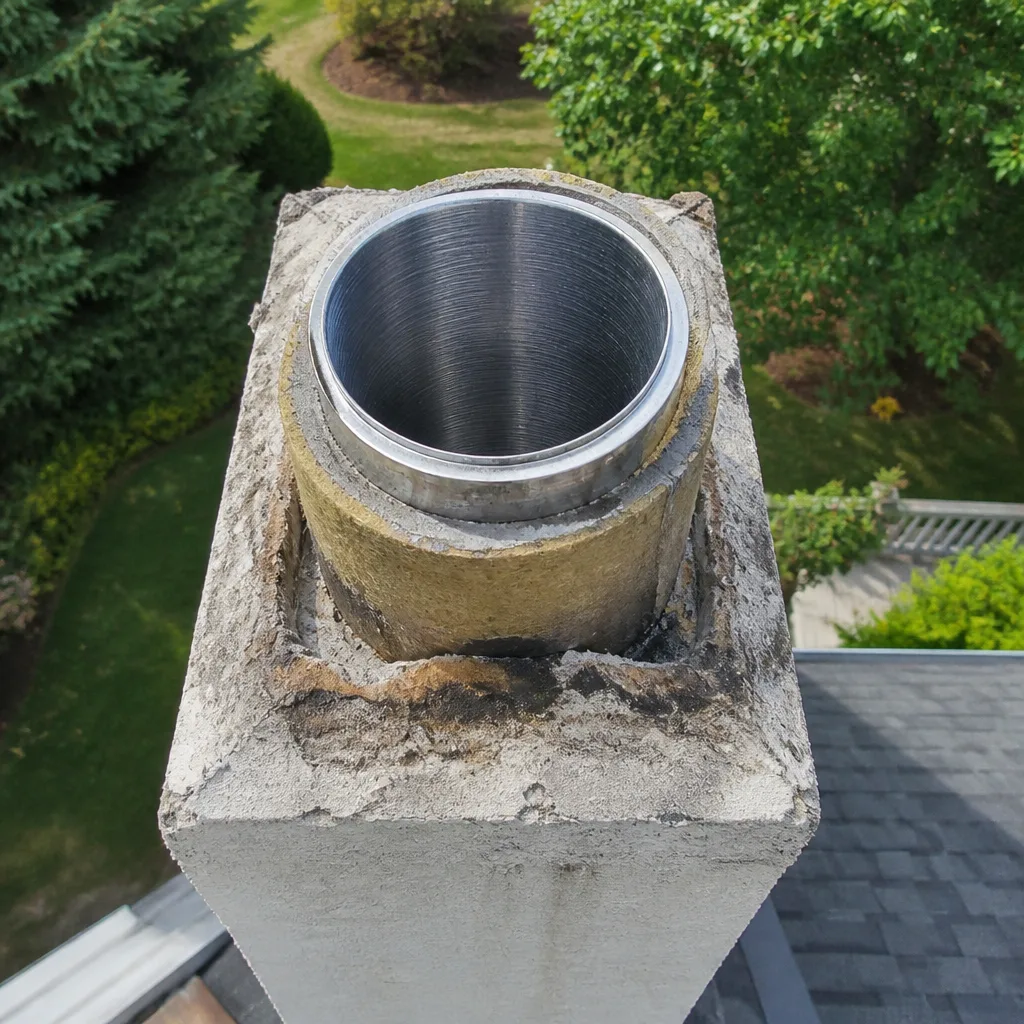 Flue relining
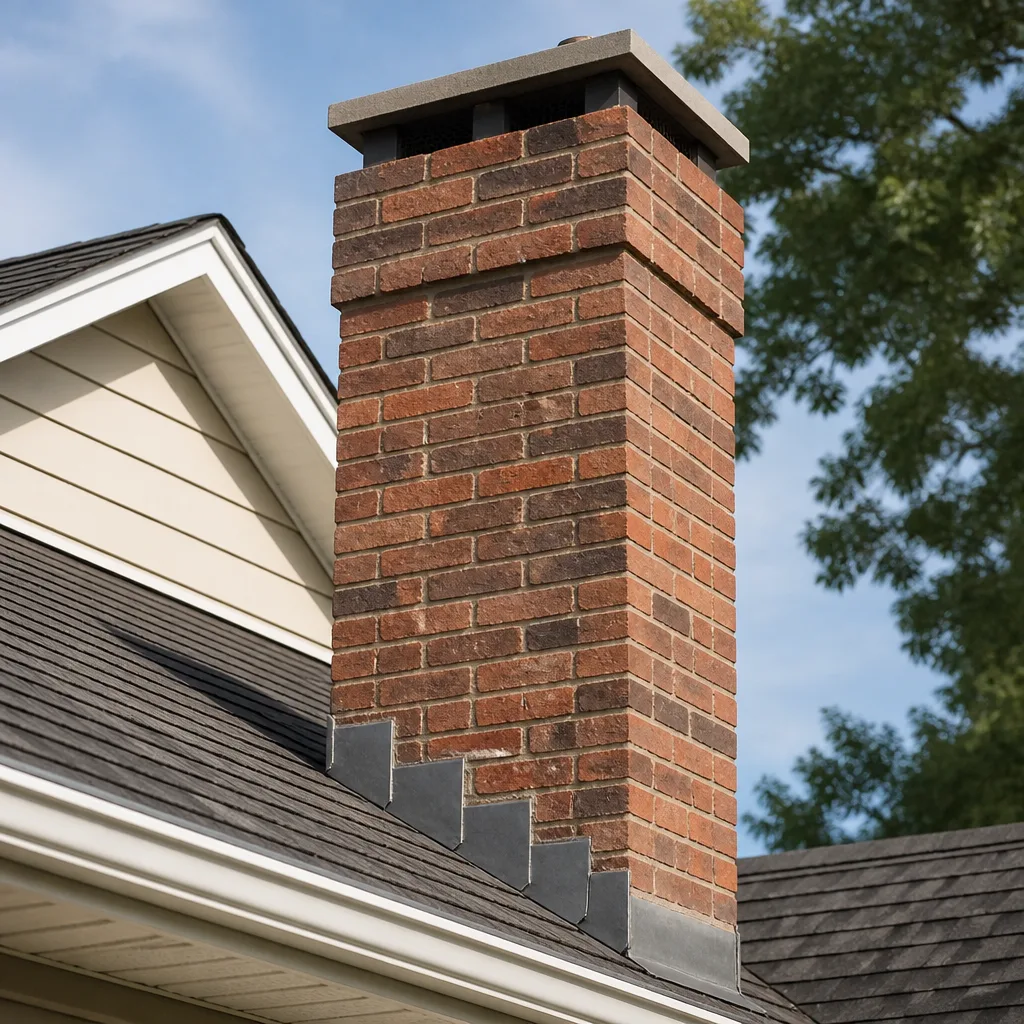 Masonry repair
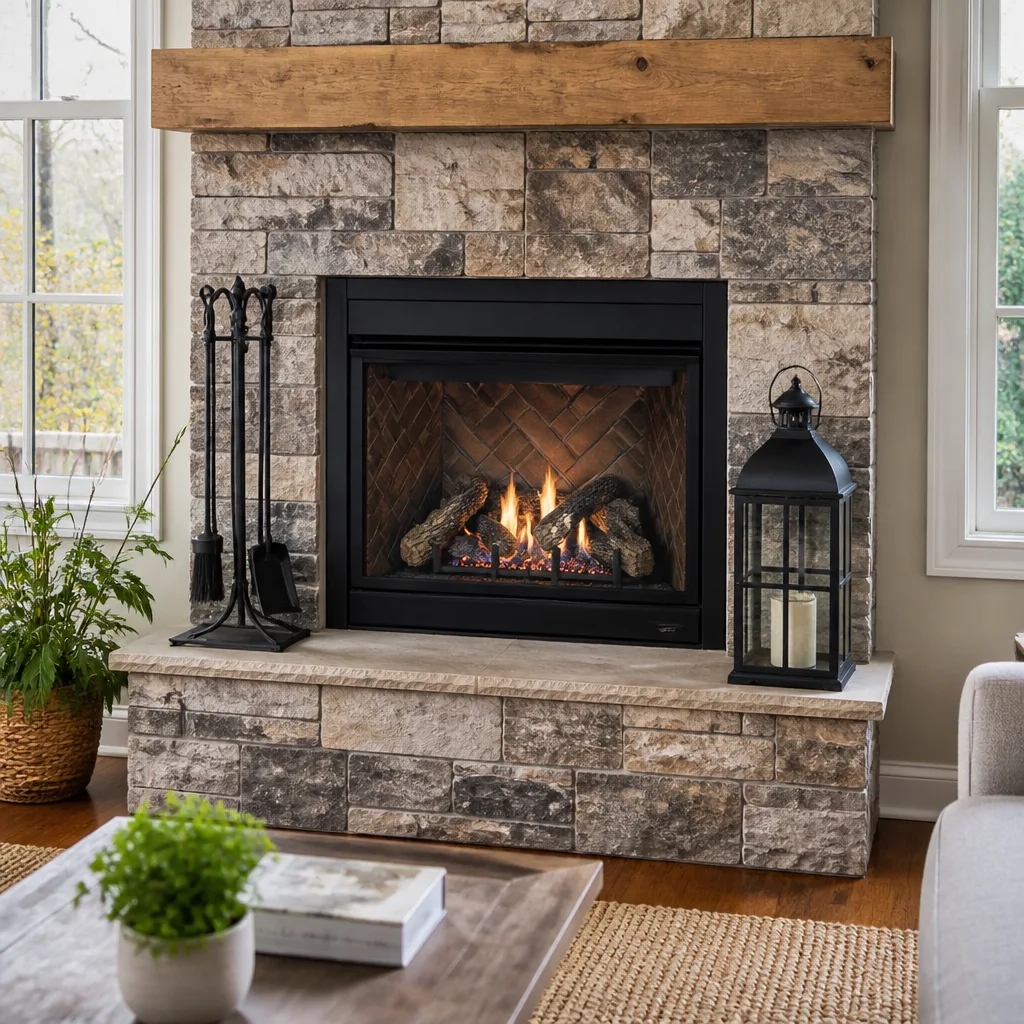 Gas fireplace service
Level 1 sweep and inspection to the NFPA 211 annual standard - flue, crown, cap, and flashing checked and photographed
Chimney sweep logs do not sweep chimneys. They loosen some creosote - which then falls where a brush and vacuum still have to collect it.
Chimney Cleaning Emergency Preparedness Guide for Lake Stevens Homes
A chimney fire doesn’t always announce itself with flames shooting from the roof. Often it sounds like a low, rumbling roar, throws off a smell like hot metal or burning paper, and then goes quiet on its own. That quiet is the trap. “It went out by itself” is what homeowners tell us before an inspection finds a cracked liner that’s been venting combustion gases into the wall cavity. This guide walks through the response sequence for the chimney emergencies that actually happen in Lake Stevens: chimney fires, carbon monoxide events traced to the flue, and storm-season blockages. Read it once now, before you need it.
Quick Answer
If you suspect a chimney fire in Lake Stevens, get everyone out of the house and call 911 first – don’t wait to see if it spreads. Once the fire department clears the scene, the chimney must be formally inspected before the fireplace is used again, because a self-extinguished fire can leave a cracked or warped liner that a visual check from the hearth won’t reveal. For carbon monoxide symptoms with no obvious furnace cause, treat the chimney as a suspect and call 911 as well.
Styles & brands we work with
- Sweep & inspection
- Caps & crowns
- Flue relining
- Masonry repair
- Gas fireplace service
Table of Contents
- The First Three Minutes of a Chimney Fire
- When to Call 911 Versus When to Manage It Yourself
- Carbon Monoxide From a Chimney Versus a Furnace
- Storm Season Blockages in Lake Stevens
- What a Post-Emergency Inspection Must Include
- What to Document for Your Insurance Company
- Preventing the Next Emergency
The First Three Minutes of a Chimney Fire
Chimney fires follow a predictable pattern, and the first three minutes decide how much damage the rest of the event causes. A creosote fire starts when accumulated residue in the flue ignites. It can burn hot enough to warp a metal liner, crack masonry, and send sparks onto the roof or into attic framing. The response sequence below is what we’d walk any Lake Stevens homeowner through.
- Get everyone outside first. Don’t stop to grab belongings or check the flue. Get people, pets, and phones out of the house, then call 911 from outside or from a neighbor’s driveway.
- Close the fireplace doors or damper if it’s safe to reach. Cutting off the air supply to the firebox slows the burn. Only do this if the firebox isn’t already smoking heavily into the room and you can reach the controls without standing in front of the opening.
- Don’t spray water into the firebox. A creosote fire can flash when hit with water, and the sudden cooling can crack hot masonry or a hot liner. Leave extinguishing to the fire department.
- Watch the roof and chimney top from outside. If you see flames, sparks, or thick black smoke from the chimney cap, note it – the fire department needs to know.
- Stay out until cleared. Even if the fire seems out, don’t re-enter until firefighters have checked the attic, roof, and chimney chase.
What not to do is just as important. Don’t open the damper to “let it vent.” Don’t try to climb on the roof. Don’t assume the fire is over because the roar stopped – the highest heat happens in the first several minutes, and the damage it does to a liner often isn’t visible until a formal inspection.
When to Call 911 Versus When to Manage It Yourself
Call 911 for any chimney fire you can hear, smell, or see evidence of, even if it appears to have gone out. That’s the rule, and it holds regardless of how minor the event seemed from inside the house. A roaring sound, a popping or crackling from the flue, a hot smell, or smoke pushing back into the room all point to a fire that needs professional eyes on it.
The narrow exceptions come down to what’s actually happening.
- Call 911 immediately if you see flames or sparks from the chimney top, if smoke is filling the room and not clearing, if the wall or chase around the chimney feels hot, or if anyone in the house has symptoms of smoke inhalation.
- Call 911 immediately if you smell combustion gases or if a carbon monoxide alarm is sounding and you can’t identify an obvious non-chimney source.
- Call 911 immediately if the fire won’t stay out after the damper is closed and the firebox is starved of air.
There’s an in-between category, too. If you had a small smoke-back event with no roar, no sparks, and no evidence of fire anywhere in the system, you likely had a draft or blockage problem – not a fire – and the right next step is a chimney inspection before the fireplace is used again. If you’re unsure which category you’re in, err toward the call. The fire department would rather check a chimney that turns out to be fine than arrive at a house where a slow liner fire has been burning for twenty minutes.
Carbon Monoxide From a Chimney Versus a Furnace
Carbon monoxide events in Lake Stevens homes usually trace to one of two sources: a blocked or damaged chimney, or a furnace. The source changes the response, so it’s worth knowing how to tell them apart before you have a CO alarm going off.
Signs the chimney is the source
- The CO alarm goes off during or shortly after a fire is burning in the fireplace or wood stove.
- You notice a draft reversal – smoke or a smell of soot in the room when the fire is lit.
- There’s been recent storm damage to the chimney cap, crown, or visible flue tile.
- You can see debris, a nesting material, or a soot stain near the flue opening.
- Symptoms cluster when the fireplace is in use and ease when it isn’t.
Signs the furnace is the source
- The alarm goes off when the fireplace is cold and the furnace is running.
- The CO reading is concentrated in the furnace room, utility closet, or near supply registers rather than near the hearth.
- There’s no recent fireplace use at all.
Either way, the first move is the same: get out, call 911, and don’t re-enter until the fire department or utility has cleared the house. Where the source matters is what happens next. If the chimney is the suspect, you’ll need a formal inspection with a camera before the fireplace is used again. If the furnace is the suspect, that’s a call to an HVAC technician – but a blocked chimney flue can steal enough indoor air to reverse the draft on a furnace too, so we’ve seen both systems need checking after a single event.
A gas fireplace isn’t exempt. A gas log set vents through the same flue as a wood fire, and a damaged liner on a gas appliance is just as capable of sending combustion gases into the living space. If your Lake Stevens home has a gas fireplace and a CO alarm went off, treat it as a chimney issue until an inspection proves otherwise.
Storm Season Blockages in Lake Stevens
Lake Stevens sits in a climate that hands homeowners a distinct set of chimney risks: heavy fall and winter rain, windstorms that arrive with the first big low-pressure systems, and enough surrounding tree cover that debris finds its way onto roofs and into flues. The result is a blockage pattern that shows up every storm season.
What we see most often after windstorms
- Lifted or missing chimney caps. A cap that’s been knocked loose or blown off leaves the flue open to rain, debris, and animals. It’s the single most common cause of water intrusion we see in Lake Stevens.
- Debris on the cap screen. Fir needles, twigs, and leaf litter collect on the screen and smother the draft. The fire smokes back into the room before the block is obvious.
- Animal entry. Squirrels, birds, and raccoons will move into an uncapped or damaged flue within days. Nesting material blocks the flue and is highly flammable.
- Cracked crowns. Freeze-thaw cycles over a Lake Stevens winter open hairline cracks in the chimney crown, and water finds those cracks every rainstorm after that.
- Soot and creosote loosened by moisture. Water getting into the flue can loosen creosote scale, which then drops and blocks the smoke path.
If your fireplace starts behaving oddly after a windstorm – smoke rolling into the room, a weak draft, a smell of something dead or musty near the hearth – don’t light a fire to “see if it clears.” It won’t. Call us, and we’ll get a technician out to check the flue before you burn anything. We answer 24/7, and fast dispatch runs 7am to 7pm, Sunday through Friday.
What a Post-Emergency Inspection Must Include
After any chimney fire, the flue must be formally inspected before the fireplace is used again – and a visual check from the hearth isn’t sufficient. The damage we find after a fire usually isn’t in the firebox at all. It’s in the liner, the flue joints, and the masonry chase behind the fireplace, none of which are visible without a camera.
A proper post-emergency inspection covers:
- A camera scan of the full flue length. This is how we find cracked tiles, warped metal liner sections, gaps at joints, and creosote glaze that’s re-hardened into a flammable layer.
- A check of the liner material and its connections. Metal liners can warp or separate at the seams; clay tile liners can crack along their length; a resurfaced liner needs its coating checked for spalling after high heat.
- A look at the crown, cap, and flashing. Heat and water both attack the top of the chimney, and after a fire the crown often cracks. Water getting in through a failed crown is what turns a small repair into a masonry rebuild.
- An assessment of the smoke chamber and damper. The smoke chamber above the damper is a common place for creosote to collect, and after a fire it’s also where we look for heat damage.
- A written report with photos. This is your documentation for the insurance company and for your own records. It’s a formal assessment you can keep on file, not a verbal all-clear.
If the inspection finds damage, we handle the repair in-house – masonry work, chimney repair, and liner work all under one contractor. For liner restoration, we use HeatShield resurfacing to rebuild a failing flue from the inside without demolition. For full relining, we install DuraFlex flexible liners – professional-grade systems that aren’t sold at retail because they’re specified by chimney professionals, not stocked on a hardware-store shelf. If your firebox or damper was damaged, our fireplace repair service covers that side of the system too.
What to Document for Your Insurance Company
Insurance claims move faster when the documentation is complete and specific. After a chimney-related event in Lake Stevens, gather this before you call your insurer or start any repair conversation.
- Photographs of the firebox and hearth before anything is cleaned. The soot pattern and any cracked firebox panels belong in the claim file.
- Photographs of the exterior chimney – the crown, cap, flashing, and any visible cracking or displacement. Take these from the ground with a zoom lens rather than climbing onto the roof.
- Notes from the fire department, if they responded. Ask for the incident report number and keep it with your claim file.
- The formal inspection report. This is the document your adjuster will care about most, because it’s a professional assessment of what failed and what needs repairing.
- Before-and-after photos of any work performed, once repairs are underway.
- A written estimate for the recommended repair work, broken down by scope (liner, masonry, cap and crown, flashing).
We can work with your insurer and provide the inspection report and estimate in a form that’s useful to them. What we won’t do is push work your documentation doesn’t justify. If the inspection shows a liner that’s still sound and a crown that just needs a seal, that’s what the report will say – and if the work can safely wait until spring, we’ll tell you. Nothing gets recommended without camera evidence you can see for yourself.
Preventing the Next Emergency
The good news about chimney emergencies is that the patterns are predictable, and the preparations that head them off are straightforward. Here’s what we’d suggest for any Lake Stevens home with a wood-burning or gas fireplace.
- Book an annual chimney sweep before burning season. A sweep removes the creosote that fuels a chimney fire, and it’s the moment we’d catch a developing liner issue before it becomes an emergency.
- Get a formal inspection annually, and any time anything changes. An inspection is separate from a sweep. It documents the condition of the whole system – liner, crown, cap, flashing, smoke chamber – and gives you a record of its condition over time.
- Install and test carbon monoxide alarms on every level of the house. A CO alarm is the only early warning you’ll get on a venting failure, and it costs far less than the consequences of missing one.
- Check the cap and crown after every major windstorm. If the cap looks lifted or the crown shows a new crack, call us. A cap and crown installation is a small job compared to the masonry rebuild that water intrusion makes necessary later.
- Keep the area around the fireplace clear of paper, kindling, and furniture. It’s easy to overlook when the fireplace is also the place you stack the mail.
- Never burn green wood, trash, or cardboard. These all generate more creosote than dry, seasoned firewood, and they’re a leading cause of the slow, hot fires that damage liners.
If you don’t know when your chimney was last swept or inspected, that’s the sign to book now. A clear assessment from a specialist is far less expensive than a post-fire repair.
Common Mistakes to Avoid
- Assuming a chimney fire is over because it went quiet. A creosote fire can self-extinguish and leave a cracked liner that vents combustion gases into the wall cavity – sometimes for years before anyone notices.
- Skipping the post-fire inspection because the fire was small. The liner damage from a small fire can be just as significant as from a large one, and a visual check from the hearth won’t see it.
- Lighting a fire to “test” a weak draft after a windstorm. A blocked flue can push smoke and combustion gases straight into the room. Check the cap and screen first, and call us if the cause isn’t obvious.
- Ignoring a loose or missing cap. Every Lake Stevens rainstorm after that gets water into the flue, and the damage compounds quietly until the masonry needs rebuilding rather than resealing.
- Assuming a gas fireplace can’t have a liner problem. It vents through the same flue as a wood fire, and a damaged liner on a gas appliance is just as capable of producing a CO event.
- Calling a general handyman for liner work. Liner systems like DuraFlex and HeatShield require the right materials and the right installation knowledge. We specify components from Copperfield, Famco, Gelco, and Olympia Chimney because those are the brands certified chimney professionals use.
- Waiting until the first cold snap to book a sweep. That’s the busiest week of the year for every chimney service in Lake Stevens, and a needed repair can push a fireplace out of commission for the first month of burning season.
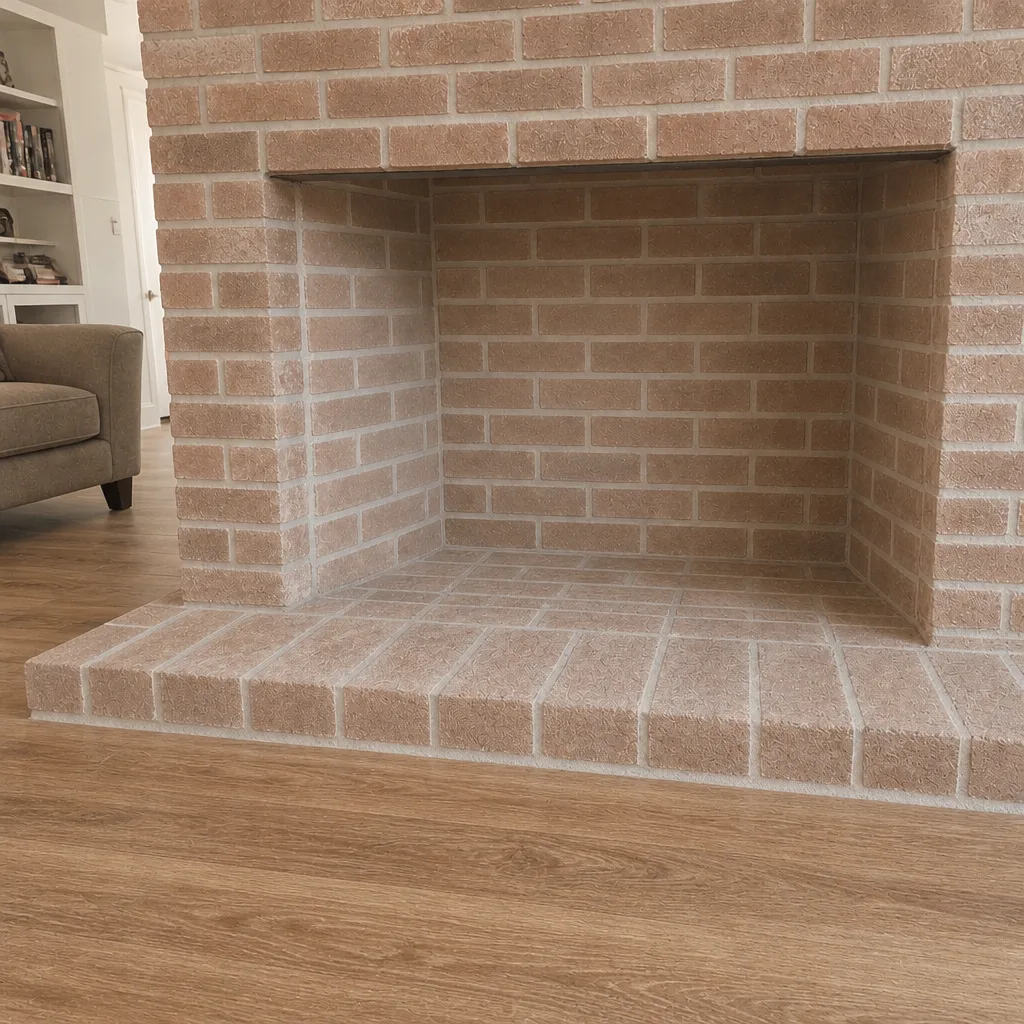
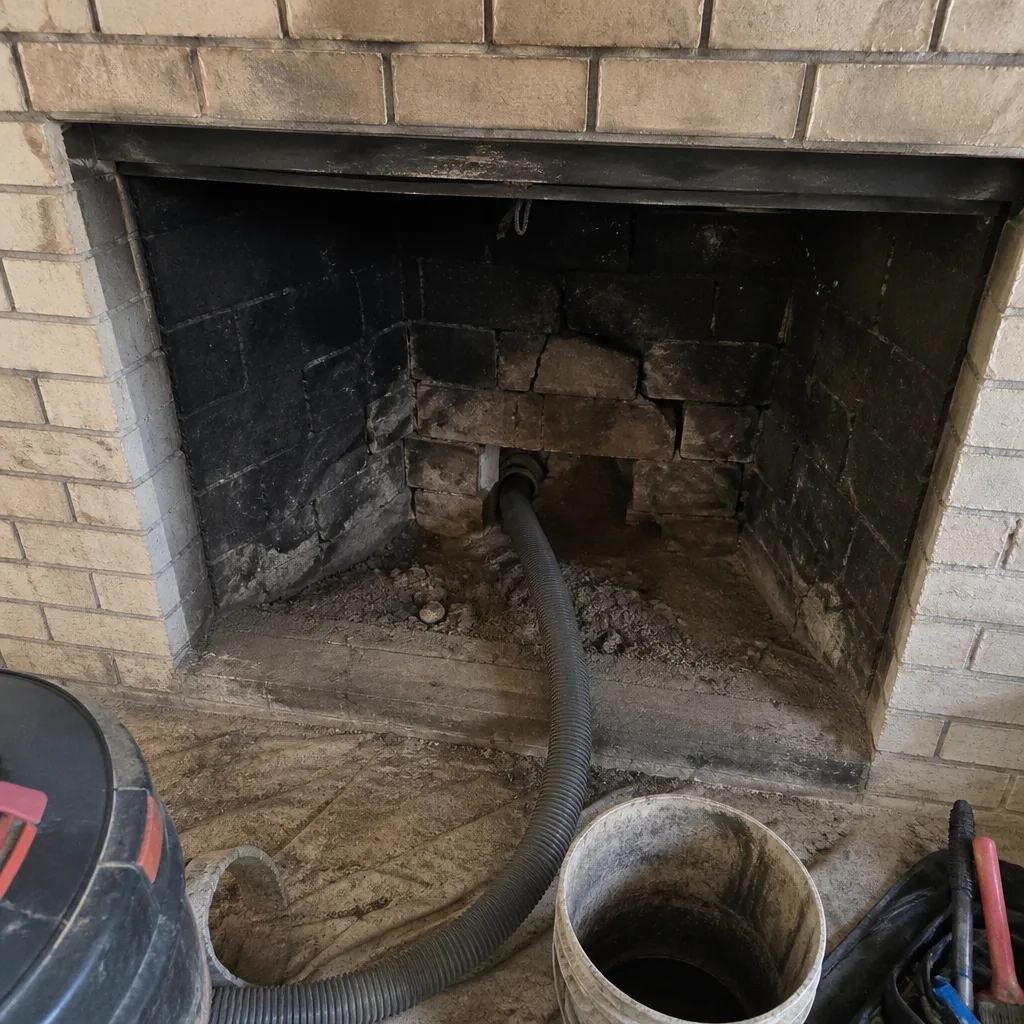
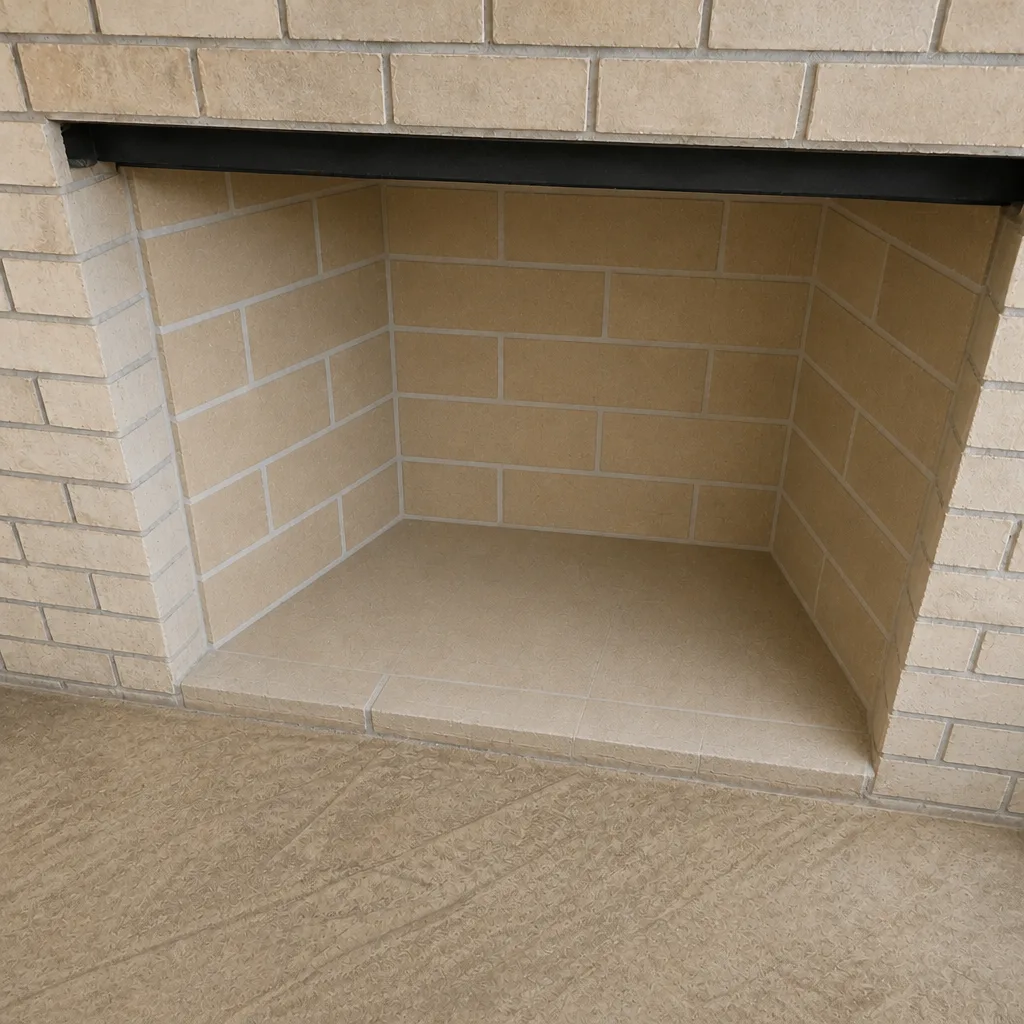
See the difference
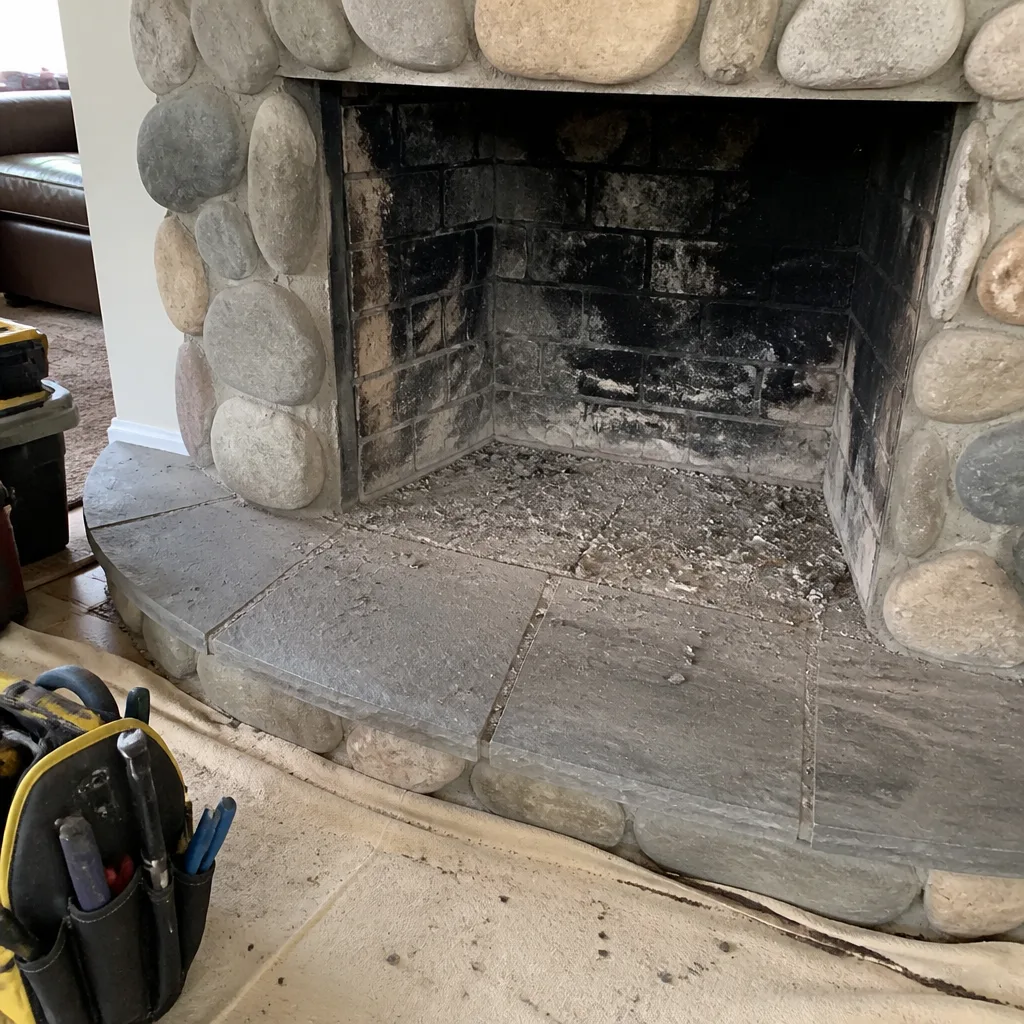 Before
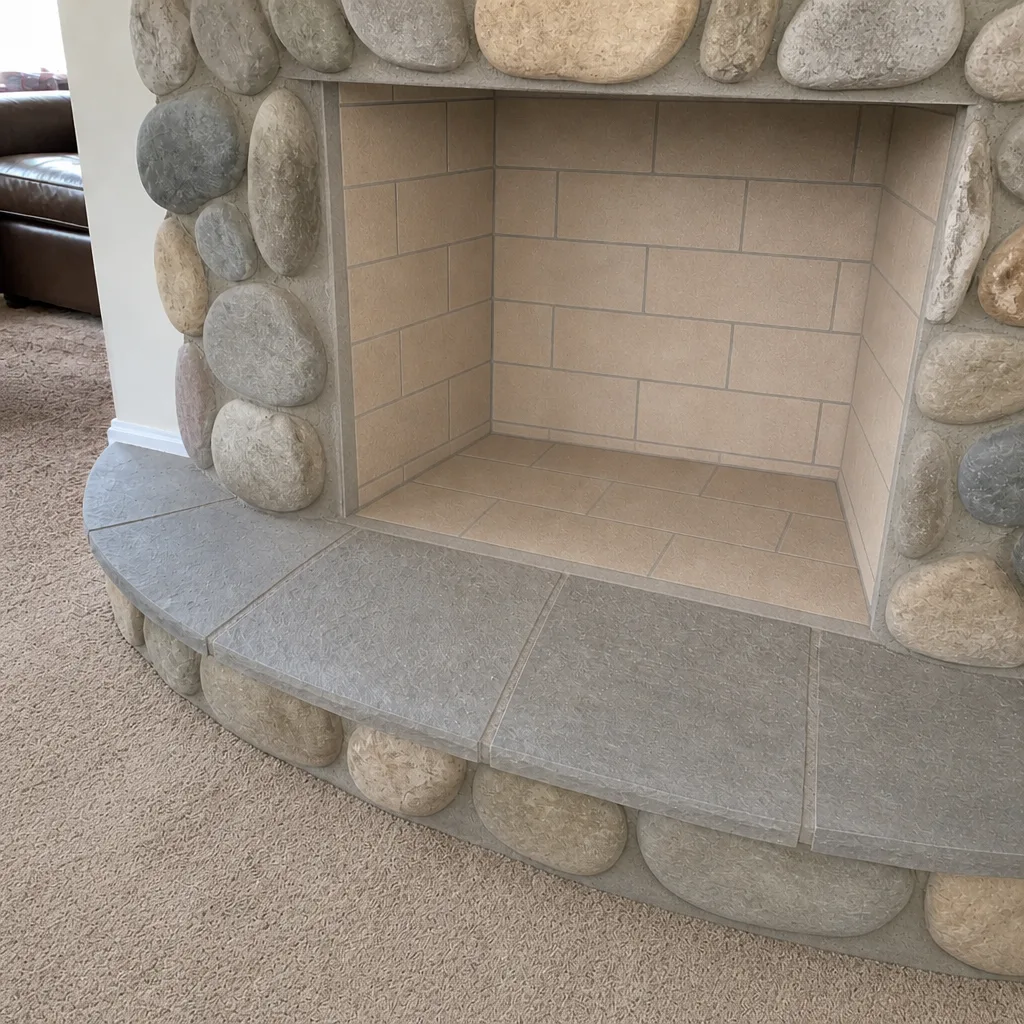 After
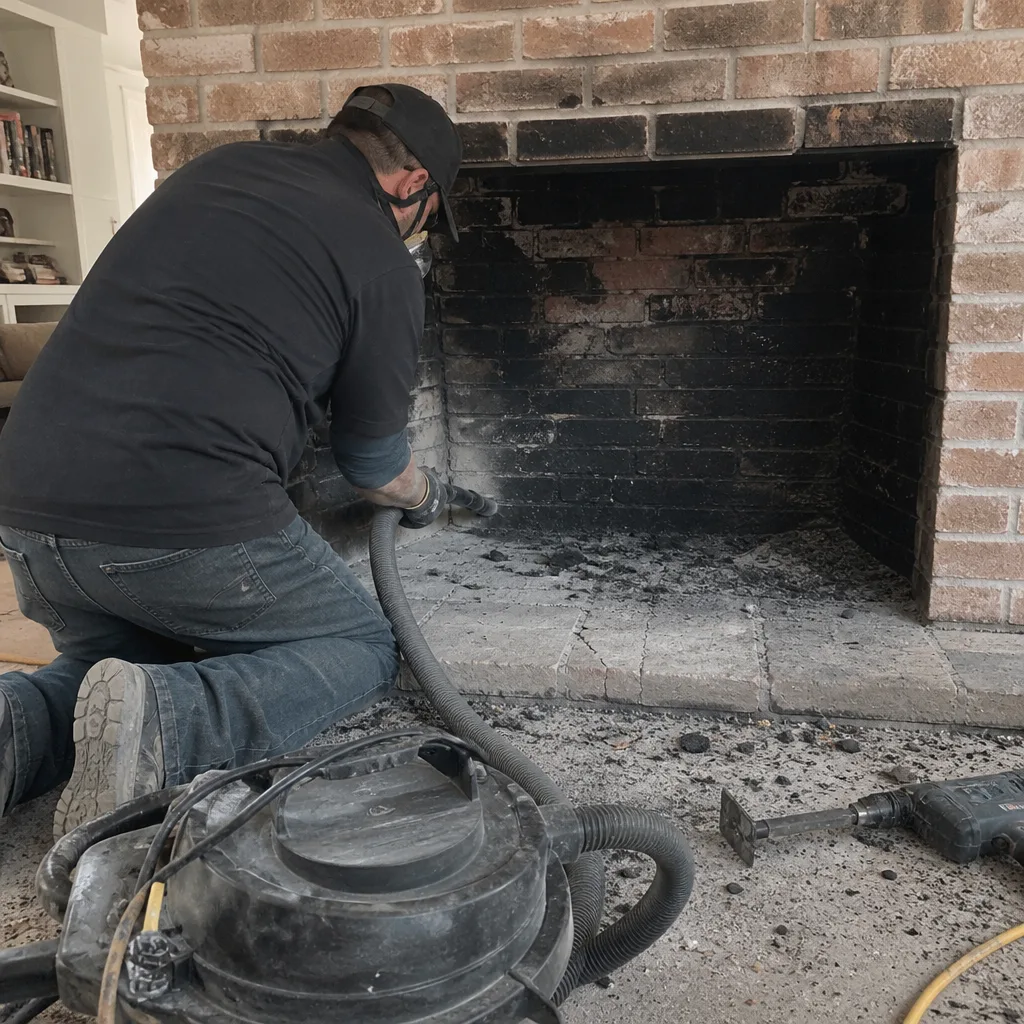 Before
 After
 Before
 After
When to Call a Professional
Call a professional after any chimney fire, even one you think went out. Call after a CO alarm, especially if it fired while the fireplace was in use. Call if the draft feels weak, if smoke rolls back into the room, if you smell soot or a dead-animal odor near the hearth, or if the cap or crown looks damaged after a windstorm. Book a sweep if you can’t remember the last one, and book a formal inspection if you’re buying or selling a Lake Stevens home and need a documented assessment.
Chimney Sweep Lake Stevens offers free estimates in Lake Stevens – call (855) 550-7486. We answer 24/7, with fast dispatch 7am to 7pm, Sunday through Friday. Our technicians have up to 15 years of experience, and one call covers sweep, inspection, fireplace repair, chimney repair, and cap and crown installation.
Frequently Asked Questions
Get everyone out of the house and call 911. Do that before you do anything else, even if the fire seems small or has already gone quiet. Once the fire department clears the scene, book a formal inspection before lighting another fire.
Common signs are a low roaring sound from the flue, a smell like hot metal or burning paper, puffs of black smoke from the chimney top, or a cracked or warped flue tile visible only on camera inspection. Many chimney fires self-extinguish and leave no obvious sign from inside the house, which is why the inspection after the event matters so much. Call (855) 550-7486 to book one.
Yes. A blocked flue, a cracked liner, or a reversed draft can push combustion gases into the living space even when the fire is burning normally from the firebox’s point of view. If your CO alarm goes off during or shortly after a fire, treat the chimney as a suspect and call 911 first.
Most wood-burning chimneys need a sweep every year, and a gas fireplace still needs an annual inspection even though it produces less creosote. Homes that burn frequently, or burn less-than-seasoned wood, may need more frequent service. If you can’t remember the last sweep, book one before your first fire of the season.
A post-emergency inspection includes a full-length camera scan of the flue, a check of the liner material and joints, an assessment of the smoke chamber and damper, and a look at the crown, cap, and flashing. You get a written report with photos you can keep on file and share with your insurer.
Yes, a full inspection is needed after any chimney fire, regardless of size. The damage a fire does to a liner is often invisible from the hearth or the roof. Call (855) 550-7486 for a free estimate – we’d rather check a chimney that turns out to be fine than miss a cracked liner.
The Bottom Line
Chimney emergencies in Lake Stevens follow patterns, and knowing the response sequence is what limits the damage. For a chimney fire: out of the house, call 911, no water in the firebox, and a formal inspection before the next fire. For a CO alarm during or after a fire: treat the chimney as the suspect, get out, call 911, then inspect. For a post-storm blockage or damaged cap: check it before you light anything, and call us if the cause isn’t obvious. Prevention is an annual sweep and an annual inspection – both are documented, both catch developing problems before they become emergencies, and both are things we handle.
If you’re ready to book, call Chimney Sweep Lake Stevens at (855) 550-7486 for a free estimate. We answer 24/7, with fast dispatch 7am to 7pm, Sunday through Friday. Or start with the Chimney Sweep Lake Stevens homepage to see the full scope of what we do.
Written by the team at Chimney Sweep Lake Stevens.