
Last updated November 25, 2026
 Sweep & inspection
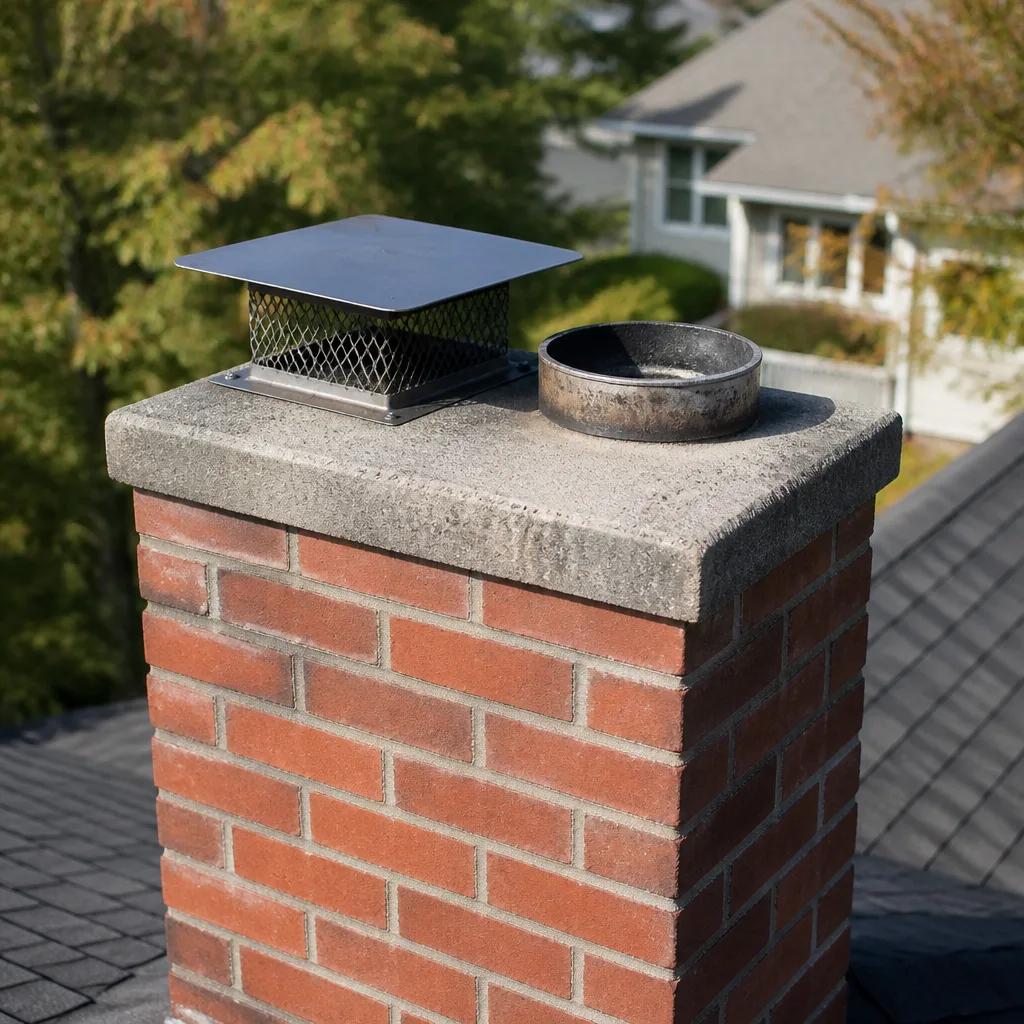
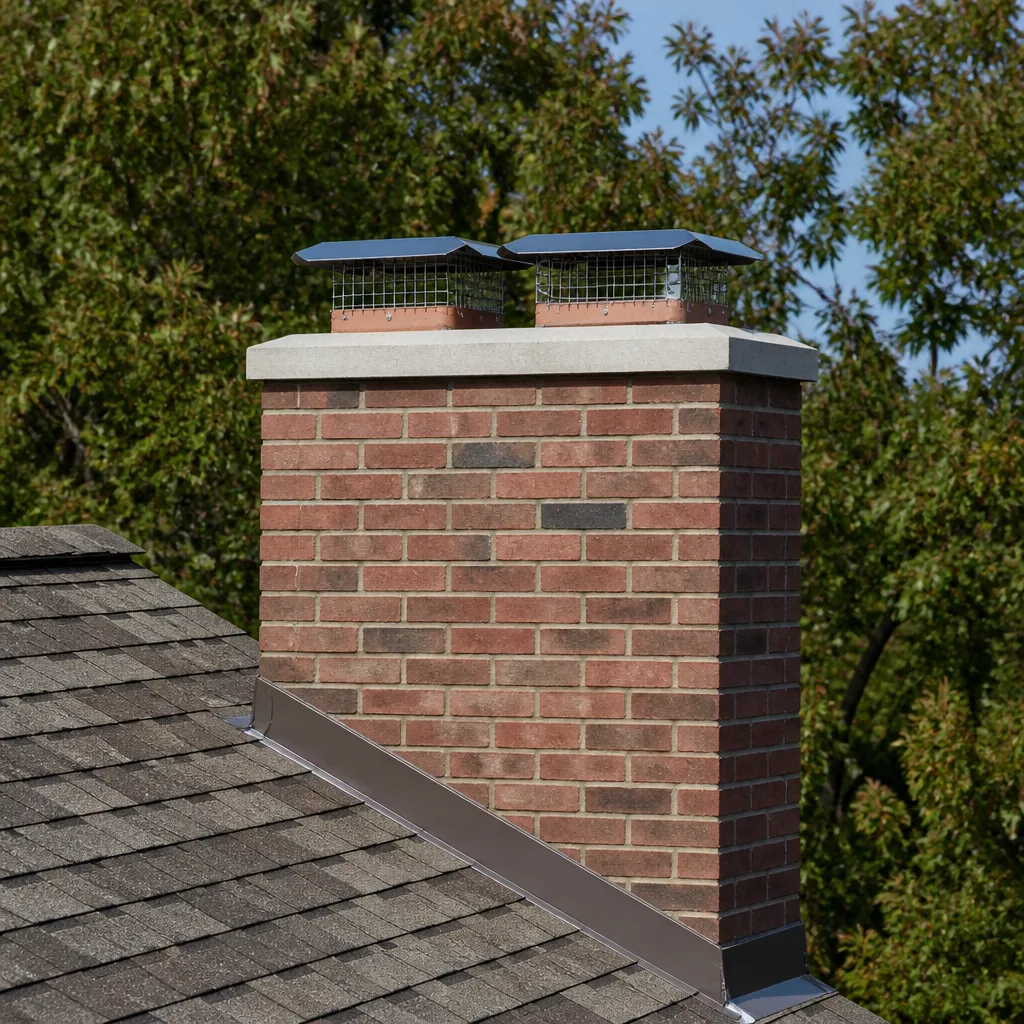 Caps & crowns
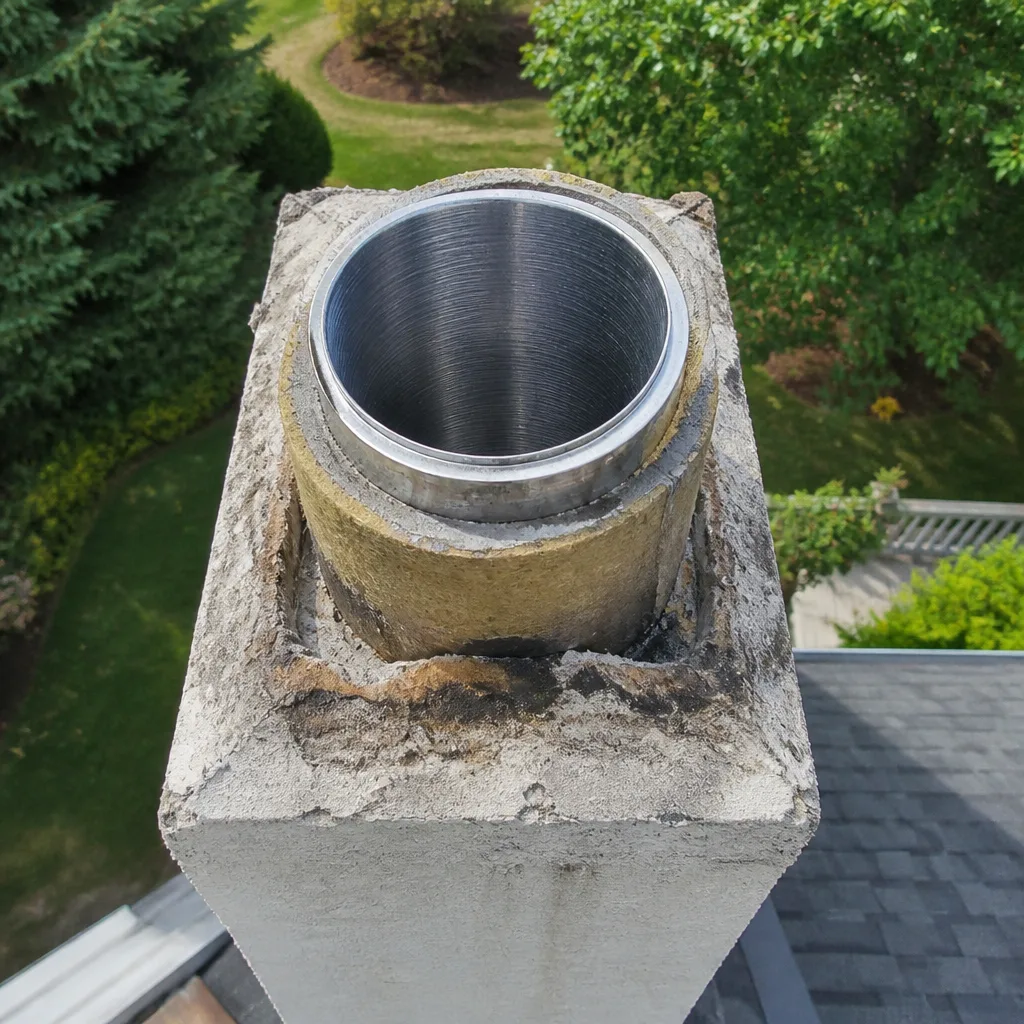 Flue relining
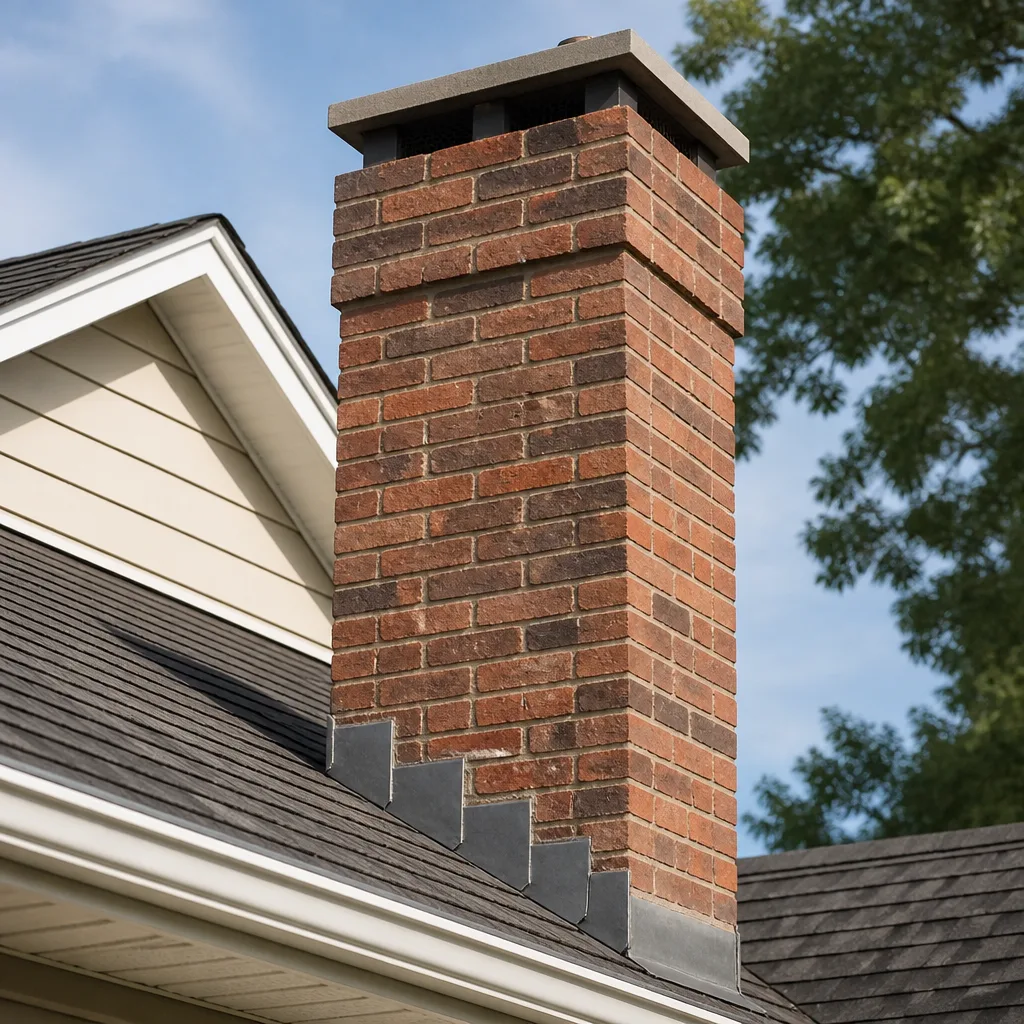 Masonry repair
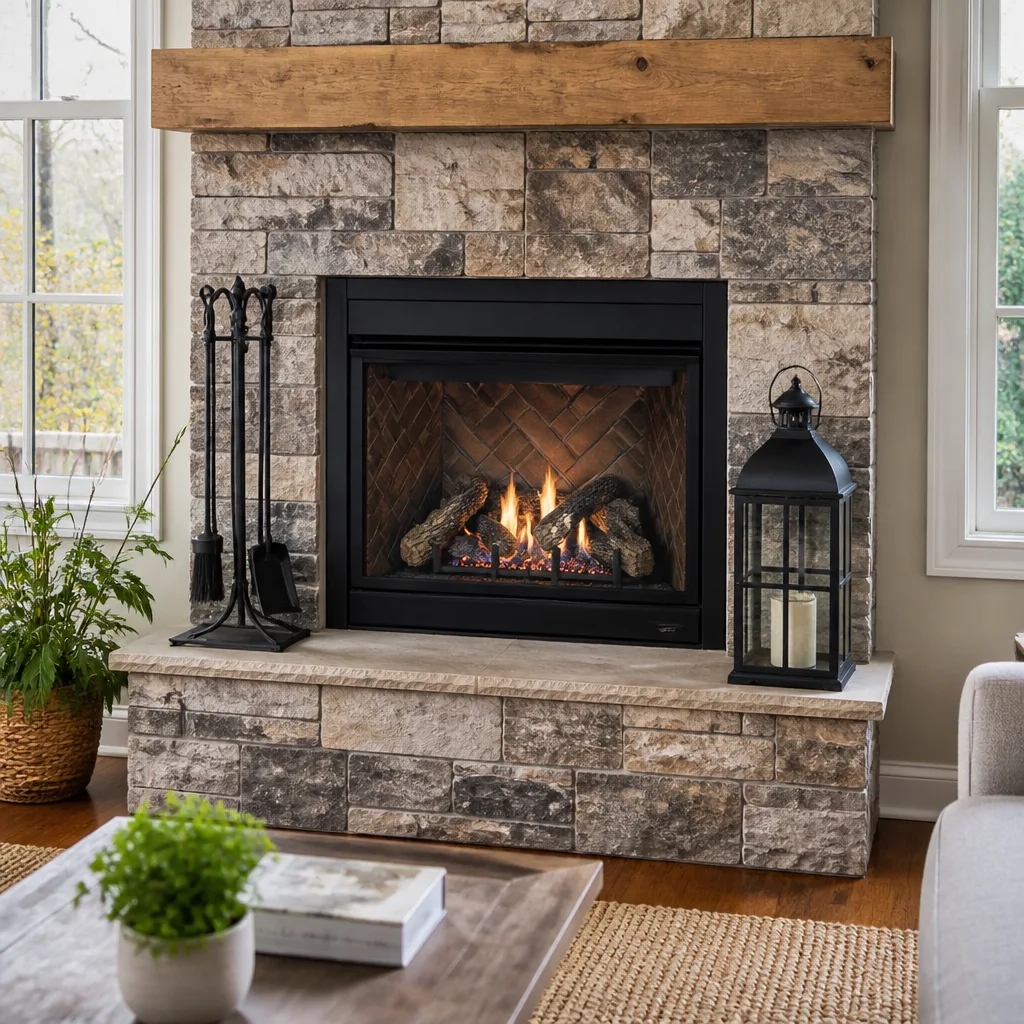 Gas fireplace service
Level 1 sweep and inspection to the NFPA 211 annual standard - flue, crown, cap, and flashing checked and photographed
Chimney sweep logs do not sweep chimneys. They loosen some creosote - which then falls where a brush and vacuum still have to collect it.
Chimney Cleaning Warning Signs: A Lake Stevens Homeowner’s Reference Guide
White staining on your chimney’s exterior isn’t a cosmetic flaw. It’s efflorescence, and it means water is moving through your masonry in a way that will crack it from the inside within two to three winters if nothing changes. Most Lake Stevens homeowners we talk to have already noticed at least one warning sign on their chimney and filed it away as “normal” or “just how it looks.” That’s the trap. Chimney problems announce themselves early and quietly, then get expensive fast. This guide maps each visible symptom to the system failure underneath it, so you know what needs attention now, what can wait, and what means stop using the fireplace today.
Styles & brands we work with
- Sweep & inspection
- Caps & crowns
- Flue relining
- Masonry repair
- Gas fireplace service
Quick Answer
The warning signs that matter most on a Lake Stevens chimney are white staining or crumbling mortar on the exterior, dark creosote buildup inside the flue, smoke rolling into the room on startup, a damp or acrid smell, rust on the damper, and broken pieces of flue tile in the firebox. Staining, spalling, and shaling tile point to water intrusion or liner damage that needs a professional look. Smoke rollout and a strong creosote smell mean schedule service before your next fire. Rust and flue debris mean don’t burn until a technician inspects it.
Table of Contents
- The Symptom-to-Cause Index
- White Staining and Crumbling Masonry: What Water Is Doing to Your Chimney
- Creosote Odor vs. Mold Odor: Two Different Problems, Two Different Fixes
- Smoke Entering the Room on Startup: Draft Problem or Blockage?
- Shaling Flue Tile in the Firebox: What It Says About Your Liner
- Damper Rust and Water Inside the Firebox
- Schedule Service vs. Stop Burning: Reading the Severity
- Why Lake Stevens Chimneys Face These Problems Early
The Symptom-to-Cause Index
Here’s the short version of everything in this guide, in one place. A chimney is a system: the liner, crown, cap, flashing, and masonry all work together. When one part fails, the symptom usually shows up somewhere else. That’s why homeowners misread warning signs as cosmetic. The table below connects what you see to what’s likely failing underneath it.
- White, chalky staining on the exterior – efflorescence from water moving through the masonry. Cause: failed crown, cracked mortar joints, or bad flashing.
- Crumbling, flaking mortar or brick faces – spalling. Cause: chronic water absorption and freeze-thaw damage.
- Strong, sharp, campfire-like smell – creosote buildup in the flue. Cause: incomplete combustion combined with infrequent sweeping.
- Musty, earthy, wet-basement smell – mold or mildew. Cause: water intrusion into the chimney or firebox.
- Smoke rolling into the room on startup – draft failure or a flue blockage. Cause: cold flue, oversized flue, or a nest or debris obstruction.
- Broken pieces of tile or ceramic in the firebox – shaling flue tile. Cause: a deteriorating clay liner, often from a previous chimney fire or water damage.
- Rust on the damper, firebox, or cap – water getting past the cap or crown. Cause: a missing, damaged, or undersized cap.
Keep this list handy. When you notice something on your chimney in Lake Stevens, this index tells you whether you’re looking at a maintenance issue or a safety issue. Our technicians have up to 15 years of experience reading exactly these symptoms, and the pattern is consistent: the earlier the sign, the smaller the repair. If you’d rather have someone look at it than guess, the Chimney Sweep Lake Stevens team can walk the whole system with you.
White Staining and Crumbling Masonry: What Water Is Doing to Your Chimney
White staining on a chimney is efflorescence, and it’s a moisture symptom, not a stain. When water soaks into brick or mortar, it dissolves salts inside the masonry. As the chimney dries, those salts get pushed to the surface and left behind as a white, chalky film. Seeing a little on new masonry is normal. Seeing it on a chimney that’s been standing for years means water is getting in somewhere it shouldn’t.
Left alone, efflorescence becomes spalling. Water trapped inside masonry expands when it freezes, and Western Washington’s cycles of wet winters and cold snaps push that freeze-thaw action hard. The mortar joints crumble and the faces of the bricks flake and pop off. Once that starts, you’re not cleaning a chimney anymore. You’re repairing structural masonry.
The water almost always gets in at one of three places:
- The crown. The concrete cap at the very top of the chimney. Small cracks let water run straight down the flue and into the masonry walls.
- The flashing. The metal seal where the chimney meets the roof. When it pulls away or rusts through, roof runoff finds the seam.
- An open flue. A chimney without a proper cap is a rain pipe. Water drops straight down into the flue, the firebox, and the damper.
This is why we treat the cap and crown as the two most critical barriers against chimney water intrusion, not as accessories. A proper chimney cap keeps rain, animals, and debris out of an open flue. A sound crown sheds water off the top rather than letting it soak in. When we install or repair a crown, we’re solving the efflorescence at its source instead of cleaning the stain off the surface. If your exterior masonry is showing white staining, the fix starts at the top of the chimney, and full chimney repair handles the masonry damage that’s already happened below it.
Creosote Odor vs. Mold Odor: Two Different Problems, Two Different Fixes
You can often diagnose a chimney problem with your nose before you see anything, if you know the difference between the two smells. A creosote problem smells sharp and smoky, like a stale campfire or a burnt-out barbecue. A mold problem smells musty and earthy, like a wet basement or an old towel left damp too long. They point at completely different failures, and treating one as the other wastes time.
Creosote odor means combustion byproducts have built up in the flue and the chimney needs sweeping. Creosote forms in three stages, and the later stages are glossy, hardened, and much harder to remove. A smoky smell that gets stronger on warm, humid days, or when there’s a downdraft, is your flue telling you it’s overdue. This is a “schedule a sweeping” signal.
Mold odor means water is getting into the chimney or firebox and staying there. Mold doesn’t grow on dry masonry, so if you smell it, find the moisture source. Common culprits are a missing cap, a water-damaged crown, or flashing that’s letting roof water in. If you can also see rust on the damper or dampness in the firebox, you’ve confirmed the diagnosis. This is a “water intrusion” signal, and the fix is a cap and crown repair, not more sweeping.
Both problems are worth taking seriously, but they need different responses and different parts. A sweep clears the creosote; a cap and crown repair stops the water that feeds the mold. We specify caps and crowns from brands like Olympia Chimney because they’re built to shed water for years, not seasons. A routine chimney sweep plus a look at the cap and crown catches both issues in one visit, which is why we recommend inspecting the whole system rather than just the flue.
Smoke Entering the Room on Startup: Draft Problem or Blockage?
A puff of smoke when you first light a fire can be normal. A chimney that persistently sends smoke into the room on startup has either a draft problem or a blockage, and you can usually tell which before anyone climbs on the roof. Knowing the difference tells you whether to schedule service or stop burning.
Here’s how to narrow it down:
- Test the cold-flue theory. Cold air in the flue is heavier than the warm room air, so it sinks and pushes smoke back. Warming the flue first (holding a lit newspaper or a heat source near the damper for a minute) can get the draft moving. If the smoke clears once the flue warms, you’re looking at a cold-flue draft issue, not a blockage.
- Check the damper. A damper that isn’t fully open, or one that’s stuck from rust and soot, restricts the flue and sends smoke back into the room. Open it fully and try again.
- Look for uniform rollout under all conditions. If smoke comes into the room even after warming the flue and opening the damper, suspect a blockage. Nests, leaves, and debris settle in the flue and cap area, and nothing you do at the firebox will fix it. This is the “stop burning and call a technician” signal.
- Consider the firebox opening and smoke chamber. An oversized firebox or a smoke chamber that’s the wrong shape can cause rollout regardless of what’s in the flue. That’s a structural issue a professional has to assess.
One more cause to rule out: a house that’s been made more airtight. Modern sealing and exhaust fans can create negative pressure that sucks smoke from the chimney into the room. If your smoke problems started after a remodel or new windows, mention it when you call. In Lake Stevens, where a lot of homes have been tightened up over the years, negative pressure is a real contributor. A fireplace repair technician can check the smoke chamber and damper and confirm whether the fix is a cleaning, a damper adjustment, or something structural.
Shaling Flue Tile in the Firebox: What It Says About Your Liner
Pieces of ceramic or tile in the firebox are flue tile shards, and their presence is one of the clearest warnings a chimney gives. The clay liner inside your flue has started to break down. You’re seeing fragments that have spalled off the inner surface and dropped down onto the smoke shelf or firebox floor. That shaling means the liner’s protective surface is failing, and flue gases can reach the masonry around it. This is a “stop burning and get an inspection” signal, not a maintenance item.
What homeowners can’t see is how bad the liner really is. A visual look down the flue from the top or up from the firebox sees a fraction of the surface. The critical information is in the full length of the flue, the offsets, the corners, and any hidden cracks that only a camera can confirm. That’s why a formal chimney inspection is documentation, not a glance over the edge. We run a camera through the flue and show you what the liner actually looks like, so a recommendation for repair is backed by evidence you can see yourself.
When the liner is compromised, we have options that restore the chimney without demolition. DuraFlex flexible liners reline the flue and provide a continuous, sealed stainless passage for flue gases. HeatShield liner resurfacing repairs certain deteriorated flue surfaces and extends the life of the existing liner. Both are professional-grade systems that aren’t available at retail and require a trained installer, which is why we work with them rather than patch the visible problem. Which one fits your chimney depends on what the camera shows. We tell homeowners plainly when a liner issue can safely wait a season and when it can’t, because the difference between those two answers matters to your safety and your budget.
Damper Rust and Water Inside the Firebox
Rust on a damper, a firebox gate, or the metal components of a chimney cap means water is getting in and staying. Fireboxes don’t rust on their own. There has to be moisture, and in a chimney, that moisture comes through the top or through failing masonry. This is one of the most overlooked warning signs because homeowners see the rust on the inside (or on the cap) and assume it’s just age.
Where the water gets in most often:
- No cap on the flue. Rain falls straight down the open flue, rusts the damper, and soaks the firebox. A chimney cap solves this, which is why a proper cap is one of the most valuable pieces of equipment on any chimney.
- A cracked or missing crown. The crown is meant to shed water off the top of the chimney. When it cracks, water runs down between the flue and the masonry walls instead.
- Failing flashing at the roofline. Water tracks down the outside of the chimney and reaches the firebox by a longer route, but it gets there. Staining on interior walls near the chimney is often the first clue.
If you’ve got rust on the damper, the practical response is twofold: get the water source fixed and get the damper checked. We source chimney caps and dampers from brands like Famco and Copperfield, the same components professionals specify, because cheap substitutes fail in the same weather that caused the rust in the first place. Stopping the water at the cap and crown keeps heat in and water out, and a working damper keeps the whole system efficient.
Schedule Service vs. Stop Burning: Reading the Severity
Not every warning sign is an emergency, and treating them all the same either wastes money or creates risk. The useful skill for a Lake Stevens homeowner is sorting signs into three categories: monitor, schedule service, and stop burning. Here’s how we think about it.
Schedule service (keep an eye on it, book a visit):
- Light creosote smell during and after fires
- Soot streaks above the firebox opening
- Efflorescence that’s beginning to appear but no crumbling masonry yet
- A cap that’s dented or loose
- Annual sweeping that’s simply come due
Stop burning and get an inspection (do not light a fire):
- Shaling flue tile or broken ceramic in the firebox
- Heavy, glossy creosote visible in the flue
- Persistent smoke rollout even after warming the flue and opening the damper
- A strong musty smell combined with rust, indicating active water intrusion
- Visible cracks or missing pieces in the masonry, crown, or cap
The second list catches people off guard because the symptoms don’t look dangerous from the living room. Shaling tile looks like a small mess to vacuum up. Heavy creosote looks like a dark flue. Both represent real risk, which is why a professional look is the right call before the next fire. If you’re unsure, we can help you decide over the phone.
Call (855) 550-7486. We answer 24/7. Fast dispatch from 7am to 7pm.
Why Lake Stevens Chimneys Face These Problems Early
Lake Stevens sits in a corner of Snohomish County that’s hard on masonry. The area sees plenty of rain across the wet months, and humid air holds moisture against brick and mortar for long stretches. Porous masonry absorbs that moisture. When temperatures drop, the water inside the brick freezes, expands, and starts prying the material apart from the inside. That freeze-thaw cycle is what turns a hairline crack in a crown into a failing crown, and efflorescence into spalling brick faces.
Some neighborhoods also sit in tree cover that affects draft and debris. Fir and cedar needles, moss, and leaf litter move into caps and flues, and a blocked cap does the same thing to a chimney that a traffic jam does to a road: it stops airflow. Lake Stevens homebuilding has also included a lot of homes with wood-burning fireplaces and gas inserts, and gas appliances have their own warning signs (a condensate and corrosion pattern in the flue) that homeowners sometimes mistake for soot. Our technicians have up to 15 years of experience with both wood and gas venting, and we read the symptoms differently because the failure modes are different.
The takeaway for Lake Stevens is that maintenance intervals matter here. A chimney that gets inspected annually and swept when needed catches water intrusion before it cracks the masonry, and it catches creosote before it reaches the stages that are hardest to remove. The climate doesn’t give homeowners much margin, so we treat the whole system – cap, crown, flashing, liner, damper – as one unit, not a series of separate tasks. That’s the logic behind offering sweeping, inspection, repair, and cap and crown installation as one scope, so one call covers it.
Common Mistakes to Avoid
- Mistaking efflorescence for a cleaning problem. White staining comes from inside the masonry, so scrubbing the surface does nothing. Fix the water source at the cap, crown, or flashing or it returns every wet season.
- Burning through a shaling liner. Tile fragments in the firebox are a stop-burning sign. Lighting a fire anyway puts flue gases and heat against compromised masonry, and the repair gets bigger each season.
- Assuming a smoky smell is just “a fireplace smell.” A creosote odor means buildup that needs sweeping. In Lake Stevens, where the burning season is long and homes stay closed up, the smell lingers and gets misread as normal.
- Putting off a cap because “it’s just a cover.” An open flue takes in rain, animals, and debris directly. A proper cap is the single most cost-effective thing you can do to protect a chimney from water.
- Trusting a visual inspection up to the flue. You can’t see the full length of the flue from outside or from the firebox. Shaling tile and cracked liners hide in the parts you can’t see, which is why we use a camera.
- Using generic hardware-store caps and dampers. Off-the-shelf components often don’t fit the flue properly or survive the local weather. We source from brands like Olympia Chimney and Gelco because they’re built for the job.
- Waiting for a real problem before booking anything. The most effective chimney care in Lake Stevens is catching signs while they’re small. Annual inspection and sweeping is the schedule that keeps repairs minor.
When to Call a Professional
Call us when you see shaling flue tile in the firebox, persistent smoke rollout, heavy creosote, rust on the damper, or white staining that’s evolving into crumbling masonry. Call when you smell a strong creosote or musty odor, when a storm has knocked a cap loose, or when you’ve just bought a Lake Stevens home and don’t have a documented inspection on file. We also recommend a call when your annual sweep has come due, or when you’re not sure what you’re looking at and would rather have an experienced set of eyes confirm it. Chimney Sweep Lake Stevens offers free estimates in Lake Stevens – call (855) 550-7486.
Frequently Asked Questions
The most common signs are white efflorescence staining on the exterior, crumbling mortar or flaking brick, creosote smell during and after fires, smoke rolling into the room on startup, rust on the damper, and broken pieces of flue tile in the firebox. Each points to a different part of the chimney system, so the same visit often catches more than one. Call (855) 550-7486 for an inspection if you’re seeing any of these.
Creosote smells sharp and smoky, like a stale campfire; mold smells musty and earthy, like a wet basement. Creosote means the flue needs sweeping, while mold means water is getting in and the cap, crown, or flashing needs attention. Both are worth a call, but the fixes are different. An inspection confirms which one you’re dealing with, so call (855) 550-7486 to book one.
Sometimes, but not always. If the smoke clears after you warm the flue and open the damper fully, it’s usually a cold-flue draft issue. If smoke comes back into the room regardless, suspect a blockage or a structural draft problem and stop burning until it’s inspected. Call (855) 550-7486 and describe what you’re seeing.
Efflorescence itself isn’t dangerous, but what causes it is a problem worth fixing. The white staining means water is moving through the masonry, and freeze-thaw cycles will eventually crack and spall the brick and mortar. Catching it early, before crumbling starts, keeps it a cap-and-crown repair rather than a structural one. Call (855) 550-7486 for a free estimate.
A chimney should be inspected annually and swept whenever buildup reaches the point of needing it, which depends on how much you burn. In the wet Lake Stevens climate, annual inspection is also the best way to catch water intrusion before it damages masonry. We recommend a yearly inspection and sweeping as needed. Call (855) 550-7486 to set one up.
Flue tile debris means the ceramic liner has started to break down and shed pieces, which is a sign of liner deterioration that only a camera inspection can fully confirm. Don’t burn until a technician looks at it. We check the full flue with a camera and show you what we see. Call (855) 550-7486 to schedule an inspection.
Yes. Water absorbed into masonry expands when it freezes, and that freeze-thaw action pries mortar and brick apart from the inside over time. In Lake Stevens, the wet winters and cold snaps give that cycle plenty of chances each year. The fix starts at the top with a proper cap and sound crown. Call (855) 550-7486 to have yours checked.
A sweeping cleans the flue; a formal inspection documents its condition with a camera and a written report you can keep on file. If you’ve seen warning signs or you’re buying or selling a home, the inspection is the right service. It’s also useful as annual safety documentation. Call (855) 550-7486 to book one.
The Bottom Line
Chimney warning signs are a system talking to you, and nearly every one of them shows up before the damage gets expensive. White staining means water is moving through masonry. A creosote smell means the flue needs sweeping. Musty smells, rust, and flue tile debris all point at water intrusion or liner trouble that a visual look won’t confirm. The difference between “schedule service” and “stop burning” is the difference between a maintenance visit and a repair bill, and a camera inspection tells you which one you’re facing. Lake Stevens homeowners who read the signs early keep chimneys safe and repairs small. When in doubt, get an experienced eye on it before the next fire.
Call (855) 550-7486 for a free estimate.
Written by the team at Chimney Sweep Lake Stevens.
See the difference
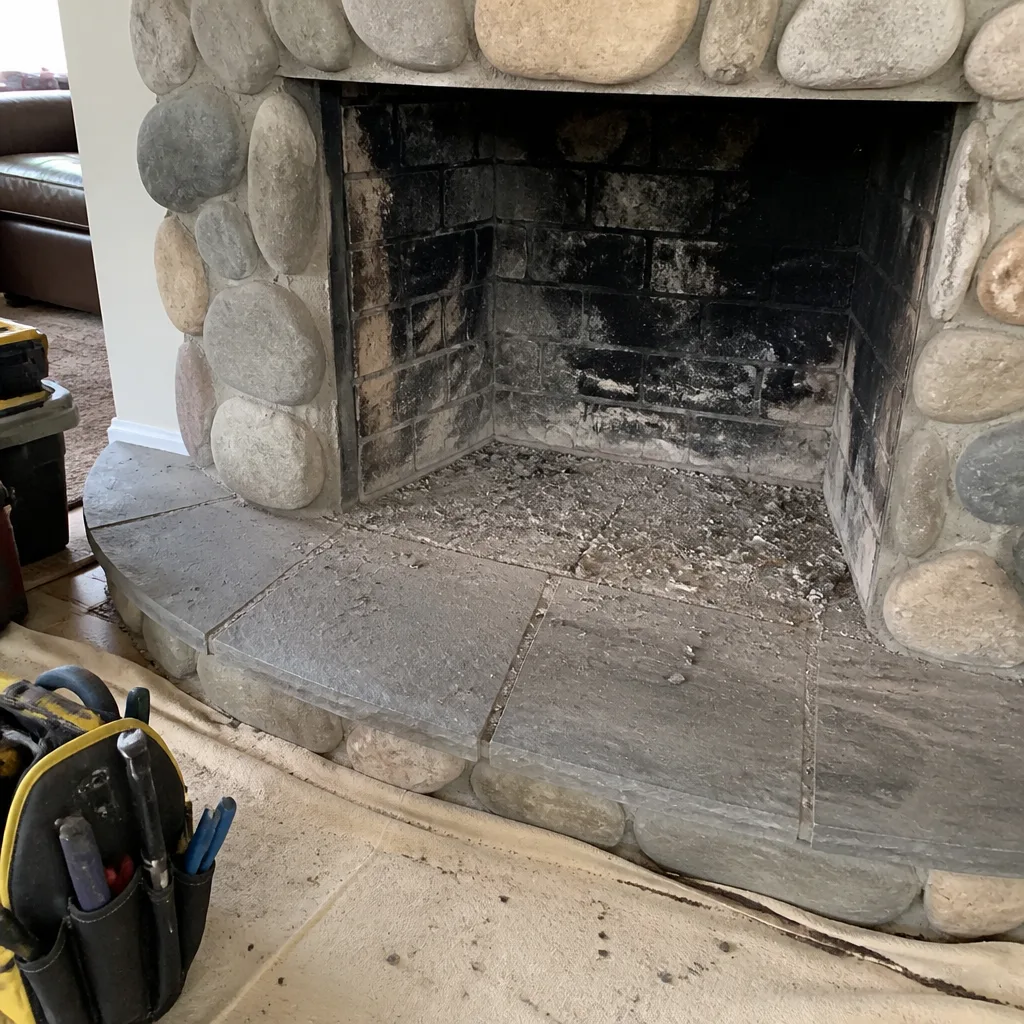 Before
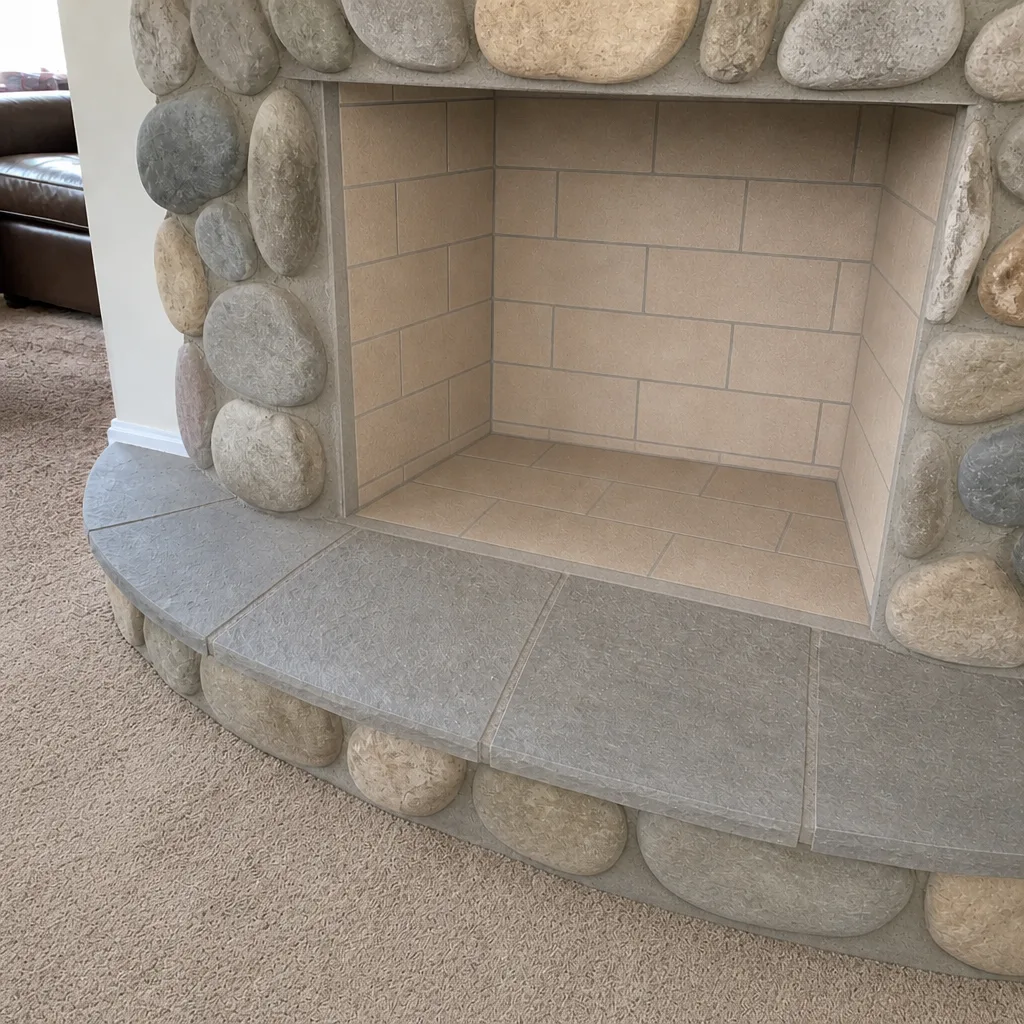 After
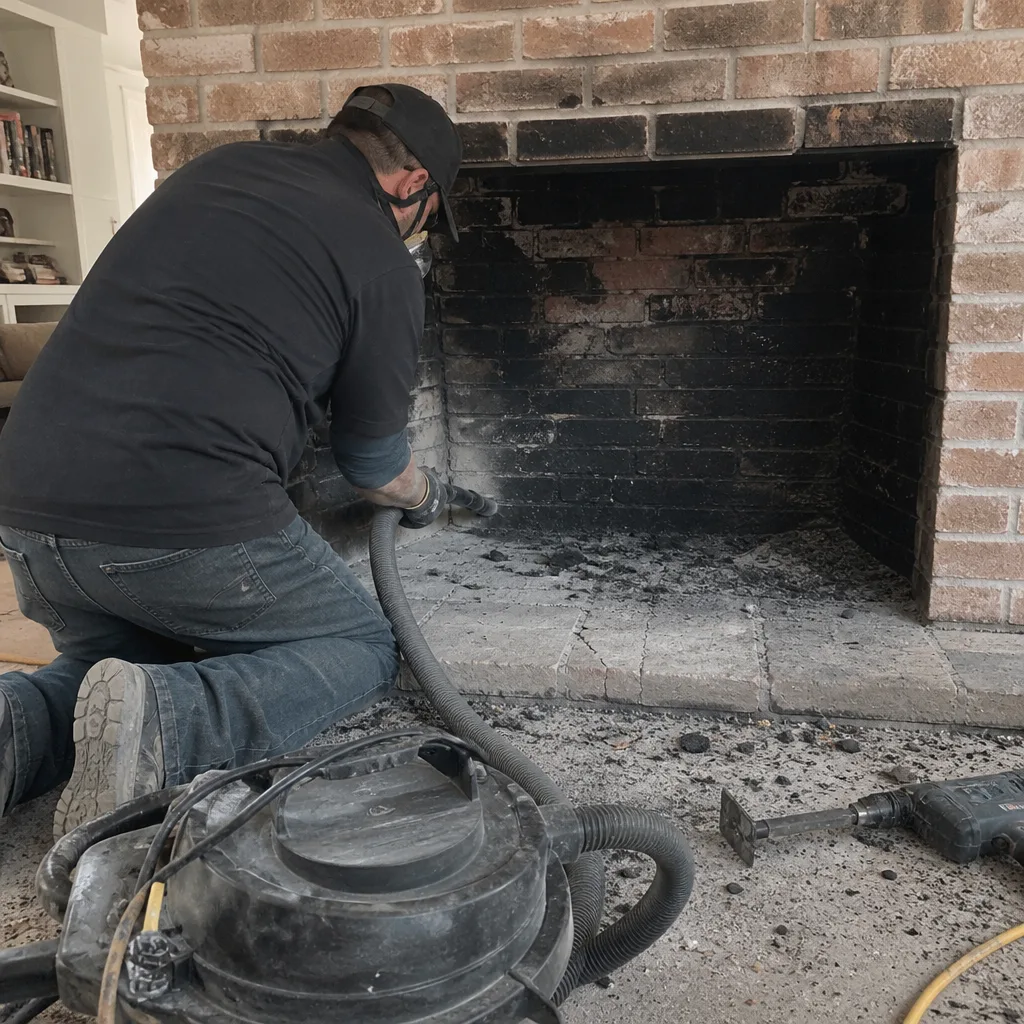 Before
 After
 Before
 After