
Last updated November 25, 2026
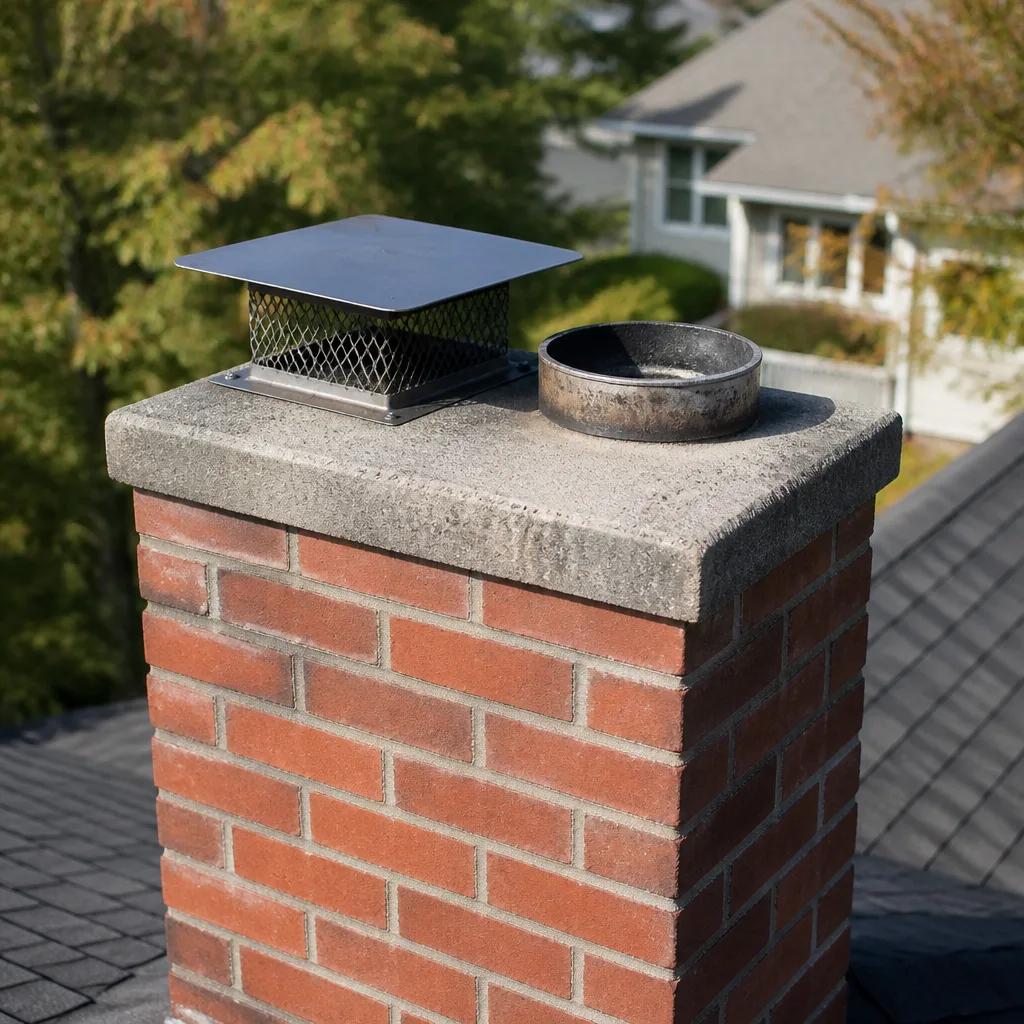 Sweep & inspection
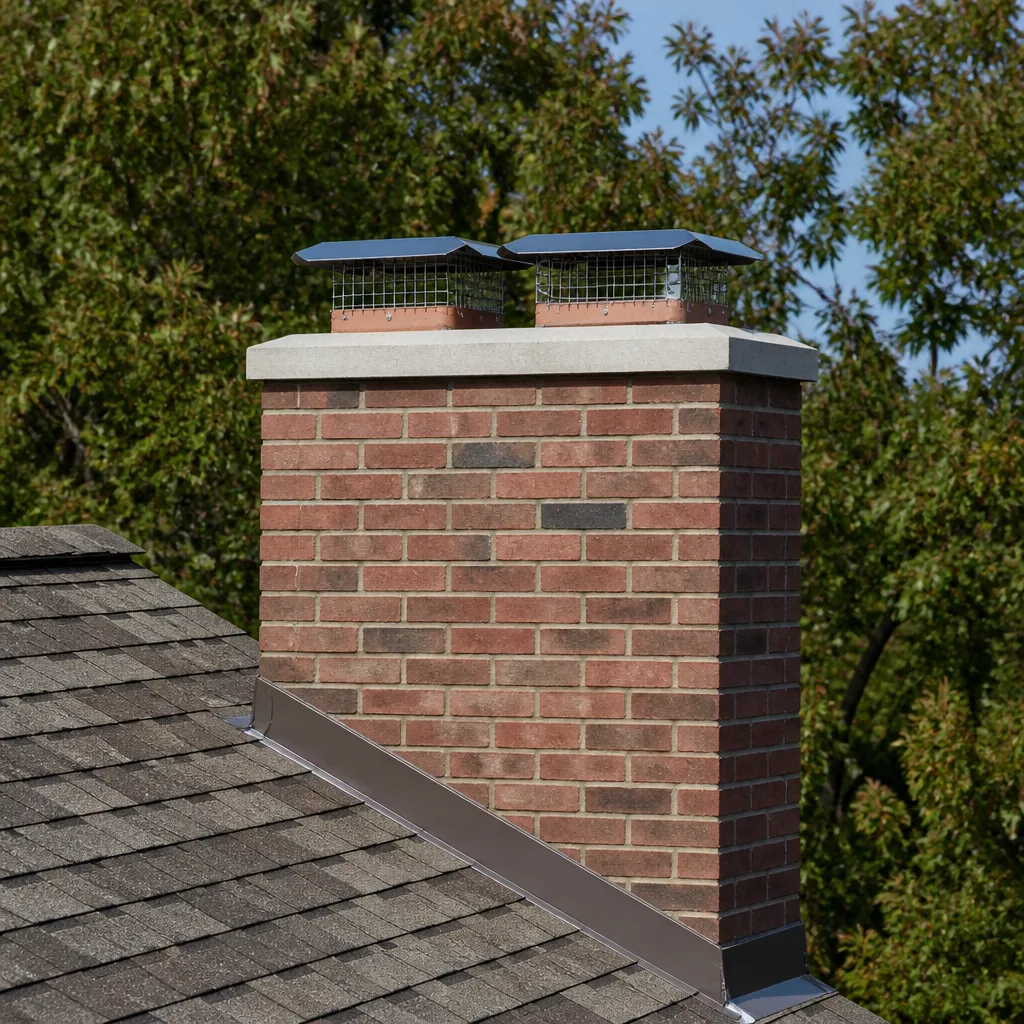 Caps & crowns
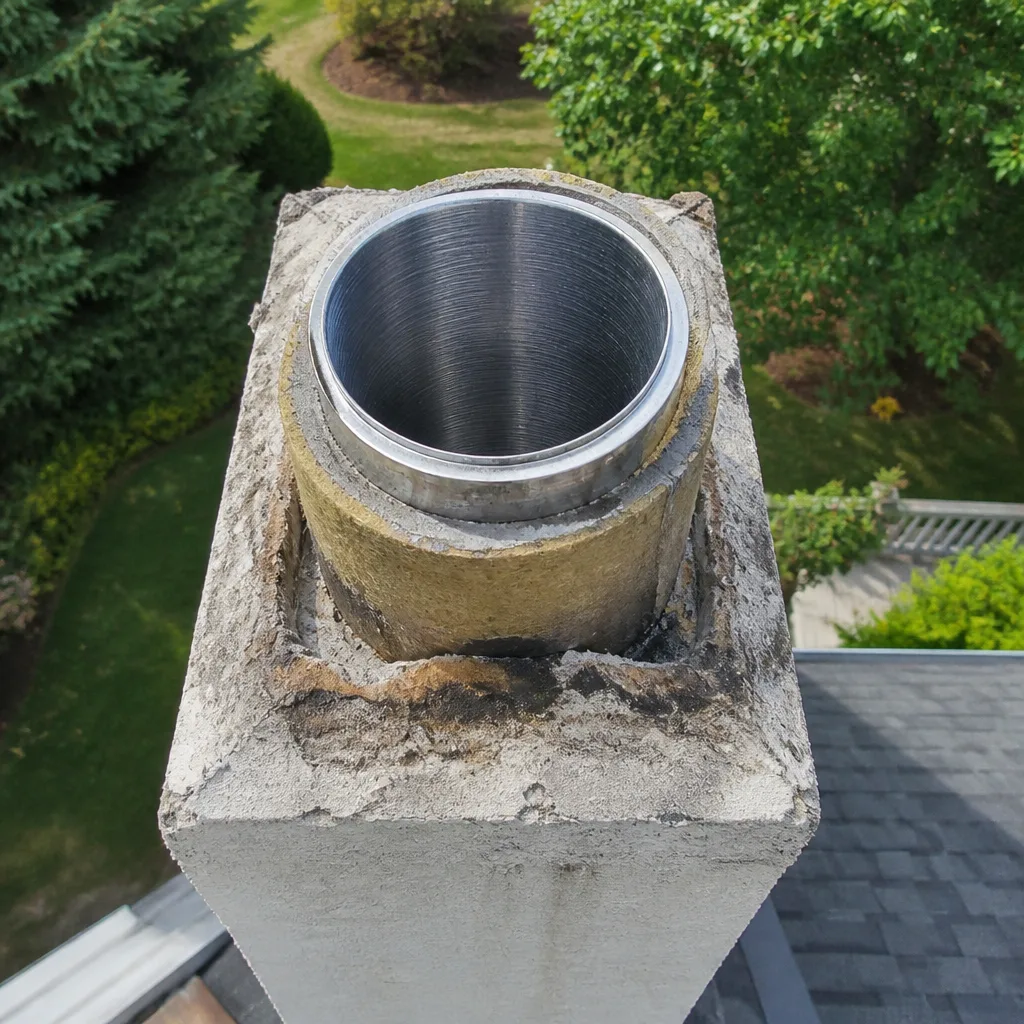 Flue relining
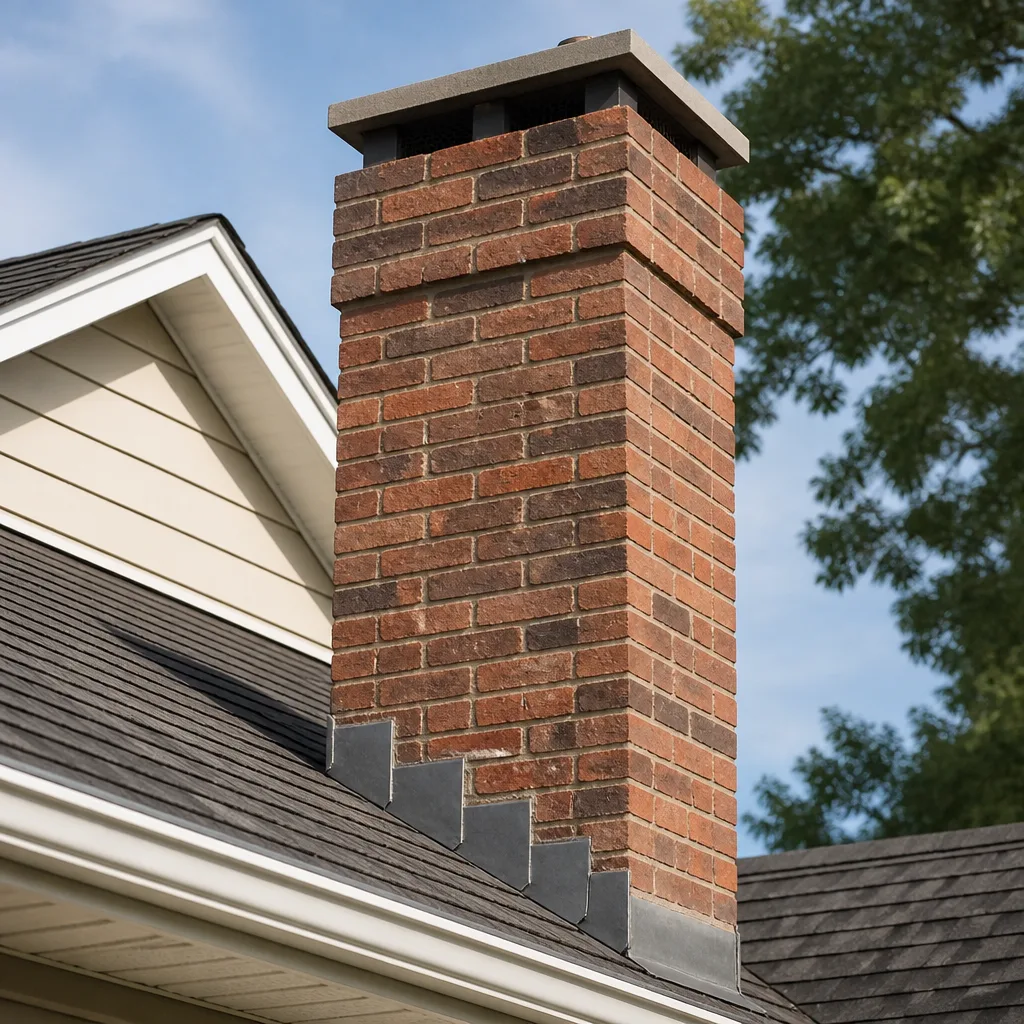 Masonry repair
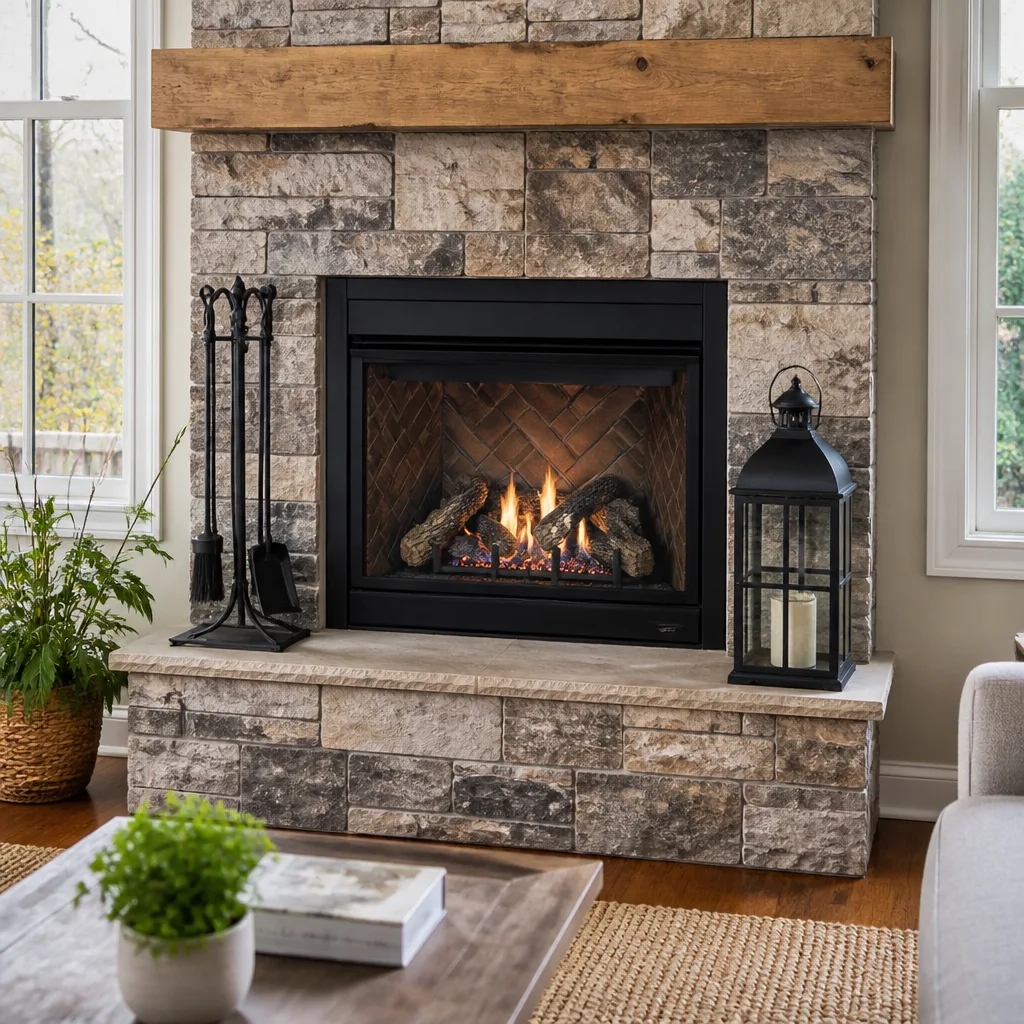 Gas fireplace service
Level 1 sweep and inspection to the NFPA 211 annual standard - flue, crown, cap, and flashing checked and photographed
Chimney sweep logs do not sweep chimneys. They loosen some creosote - which then falls where a brush and vacuum still have to collect it.
Chimney Sweep Maintenance Checklist for Lake Stevens Homeowners
Generic chimney checklists tell you to “check the cap.” That advice is technically true and practically useless. On a Lake Stevens chimney, the question isn’t whether your cap is there. It’s what the cracking pattern on top of it is telling you about the crown below, the flashing behind it, and the liner underneath. This guide gives you a task-by-task framework organized by what actually deteriorates first in a wet, wood-burning climate. You’ll learn what you can safely inspect from the ground, what genuinely requires a technician with a camera, and how to log what you find so your chimney’s decline is measured year over year instead of guessed at.
Quick Answer
A complete chimney maintenance routine in Lake Stevens means four things: an annual professional sweep and inspection, a ground-level visual check of the cap, crown, and flashing after every wet season, a dated written record of what you observe, and prompt repair of any water-entry point before it reaches the liner. Check the crown before the flashing before the liner, in that order, because that’s the sequence water takes as it moves into your chimney system. Most of the checklist below is homeowner observation. The camera work and the repairs belong to a trained technician.
Styles & brands we work with
- Sweep & inspection
- Caps & crowns
- Flue relining
- Masonry repair
- Gas fireplace service
Table of Contents
- Why Lake Stevens Chimneys Age Differently
- What You Can Check From the Ground (and What You Can’t)
- The Maintenance Sequence: Crown, Then Flashing, Then Liner
- Component Lifespan Expectations in Western Washington
- How to Log and Date Your Observations
- The Annual Sweep and Inspection Step
- Maintenance Items That Affect Warranties and Insurance
- Seasonal Timing for Lake Stevens
Why Lake Stevens Chimneys Age Differently
Chimney failure in Western Washington is a water story before it’s a fire story. Lake Stevens sits in a climate with a long wet season, persistent drizzle, and enough freeze-thaw cycling at the margins of winter to work on masonry joints year after year. Where a chimney in a dry climate might go a decade between crown repairs, a masonry chimney here is under near-constant moisture load from October through spring, and the freeze-thaw movement that follows does the rest.
The wood-burning side matters too. A fireplace that gets regular use through the wet months builds creosote in a way that a seasonal or occasional fire never does. Cooler flue temperatures, damp firewood, and long burns add up to more accumulation than a homeowner expects. That’s why the sweep and inspection step isn’t optional here: it’s the maintenance item everything else depends on.
There’s a system logic to keep in mind. Your chimney is a system. The liner, crown, cap, and flashing all work together, and a failure at any one point loads stress onto the others. A cracked crown lets water into the masonry. Water in the masonry migrates toward the flue. A wet flue breaks down faster, and the liner that was fine last year becomes the expensive problem this year. In our experience across Lake Stevens, the chimneys that stay serviceable for decades are the ones where water intrusion gets caught at the top of the system, not chased down at the bottom.
What You Can Check From the Ground (and What You Can’t)
You can do a useful chimney inspection from your yard with binoculars and a notepad. You cannot assess a liner, a smoke chamber, or a flue interior from the ground, and this is the single most common confusion in homeowner chimney maintenance. There is no safe way to see inside a flue without a camera at the right angle and a technician who knows what they’re looking at. Don’t improvise one.
What you can see from the ground
- The cap. Look for missing or bent panels, loose legs, rust-through on galvanized models, and whether the spark screen is intact or pushed in.
- The crown. The crown is the sloped concrete or masonry top of the chimney. Hairline cracks that follow the slope are normal wear. Cracks that run across the crown, or that show a step or offset between two surfaces, are the ones that predict water entry.
- Flashing. Where the chimney meets the roof, look for lifted metal, gaps, cracked sealant, or staining on the shingles just downhill of the chimney.
- Masonry joints. Look for missing mortar, spalling brick faces, or white powdery staining that suggests moisture is moving through the masonry and drying out.
- The chimney’s lean. Stand back and look for any tilt. A straight chimney should look straight from two different angles.
What requires a technician
- The condition of the flue liner, including cracks, gaps at joints, and whether a flexible liner is correctly seated at the top and bottom.
- The smoke chamber and damper operation.
- The firebox and any mortar joints inside it.
- Creosote thickness and stage inside the flue.
- Whether the crown and flashing are actually sealed, not just visually intact.
If your ground check turns up anything on the “technician” list, that’s your cue. A formal assessment with photos gives you a record you can keep on file.
The Maintenance Sequence: Crown, Then Flashing, Then Liner
Order matters. If you check the liner first and find a problem, you may not learn it was caused by a crown failure until after the money is spent. The sequence that prevents wasted service calls runs top-down, because that’s the direction water travels.
- Start at the crown. If the crown is cracked or failing, water is getting into the masonry regardless of what the liner or flashing look like. Address the crown first.
- Move to the flashing. Flashing seals the gap between chimney and roof. Once the crown is sound, a leaking flashing is the next most likely water entry point, especially after a wet winter.
- Then assess the liner. With water entry controlled at the top, the liner condition becomes a straightforward question rather than a moving target. A liner that looked bad may need replacing. A liner issue that looked minor may turn out to be a symptom of a crown problem you’ve now fixed.
- Finally, clean and inspect. Sweep and camera inspection at the end of the sequence gives you the clearest picture, and the sweep is cheaper when it doesn’t have to work around active water damage.
This sequence also matters for pricing. If a technician inspects in the wrong order, you can end up paying for a liner evaluation you didn’t need yet, or a crown repair on a chimney that actually needed flashing work first. Ask what’s being checked and in what order.
Component Lifespan Expectations in Western Washington
Lifespan depends on material, installation quality, and how well the chimney is protected. That said, Western Washington conditions give you reasonable working expectations. These are typical ranges, not guarantees, and a wet winter can shorten any of them.
- Chimney cap (galvanized steel): Usually 10 to 15 years before rust-through becomes a problem. Stainless caps last longer and tolerate moisture better. A loose cap is a 5-minute fix that prevents a 5-figure repair, so check the legs and fasteners every year.
- Chimney cap (custom or brand-name): We work with Gelco and Olympia Chimney caps because they’re built to a spec that holds up here. A well-installed cap from a professional-grade manufacturer typically outperforms a hardware-store substitute.
- Concrete crown: A properly sloped, correctly installed crown should last 20 to 30 years. Patch-and-seal work on a degraded crown buys time but isn’t a permanent answer. Resurfacing or replacement is the long-term fix.
- Flashing: Metal flashing can last decades. The sealant around it does not. Expect the sealant to need renewal every 5 to 8 years in this climate.
- Clay tile liner: Can last 50 years or more if never water-damaged. Once water reaches a clay liner, cracking and spalling accelerate, and a failing tile liner becomes a real safety concern because it no longer contains heat and combustion gases.
- Stainless flexible liner (DuraFlex or similar): A professional flexible liner, correctly installed, should give 20 to 30 years of service. We install DuraFlex because it’s a professional-grade flexible liner system, not a retail substitute.
- HeatShield liner resurfacing: Applies a refractory coating to a damaged clay liner that’s still structurally sound. Lifespan varies with conditions; HeatShield is a repair system, not a substitute for a liner that’s failed completely.
- Damper: A cast-iron damper in regular use typically needs attention every 10 to 15 years. A damper that no longer seals lets heat out of the house and cold air in.
Head-to-head, these numbers aren’t the point. The point is that every component on this list fails earlier when water is getting in above it.
How to Log and Date Your Observations
Chimney deterioration is slow enough that year-over-year comparison is more accurate than any single inspection. A crack that looks the same in a photo taken two seasons apart is a crack to watch. A crack that’s visibly wider in this year’s photo than last year’s is a crack that needs repair now. Without a dated record, it’s just a hunch.
Here’s a simple log structure that works:
- Date each observation. Day, month, year. No exceptions.
- Photograph from the same two or three spots each time. Same angle, roughly same distance. Binocular shots from the ground are fine if they’re consistent.
- Note the weather in the previous month. A dry winter and a wet winter produce different amounts of visible wear, and that context matters when a technician looks back at the record.
- Record what you saw, in plain language. “Crown crack near southwest corner, about a pencil-width, no step visible.” Not “crown looks bad.”
- Note any professional visit in the same log. What was inspected, what was found, what was recommended, what was scheduled.
- Keep the log where you’ll find it. A folder in your phone or a paper notebook in the hall closet, wherever you actually look.
This log does two things. It gives your technician a baseline they can compare the camera findings against, and it gives you a record for insurance or a future sale if it’s ever needed. We provide a written inspection report as part of a sweep, and a standalone inspection for real estate or annual documentation, precisely so that record exists.
The Annual Sweep and Inspection Step
Annual sweep and inspection is the backbone of the entire checklist. Everything else on this page is homeowner observation that feeds into that one professional visit.
If you burn wood regularly, an annual sweep is the baseline. If you burn occasionally, a sweep every other year combined with a formal inspection annually still makes sense in this climate, because water damage doesn’t wait for a fire. A chimney sweep removes creosote and soot, and the inspection that follows tells you what’s going on inside the flue. Both are needed, and they aren’t the same step.
What a good sweep-and-inspect visit looks like:
- Interior protection. Drop cloths and a containment setup around the firebox before any work starts.
- The sweep. Brushes and rods sized to your flue, top-down and bottom-up depending on the setup.
- Camera inspection. A camera run through the flue, with photos you actually see.
- Crown, cap, and flashing check. The same items you looked at from the ground, confirmed at height.
- Firebox and damper check. Interior masonry, damper operation, and any signs of heat damage.
- A written report. What was found, what was done, what needs attention, and what can safely wait.
That last point matters more than it sounds. Good maintenance guidance tells you what doesn’t need work yet. If a chimney is structurally fine and the crown has years left, we say so. If a crack is worth watching but not repairing, we say that too. It’s a formal assessment you can keep on file, and it’s how a trained technician earns trust.
Maintenance Items That Affect Warranties and Insurance
Skipped maintenance is a warranty and insurance issue more often than homeowners realize. Manufacturer warranties on liners, caps, and dampers generally assume installation by a qualified professional and no subsequent damage from a cause the manufacturer didn’t cause. In practice, that means two things for a Lake Stevens homeowner:
- Skipping the annual sweep and inspection can void a liner warranty claim. If a liner fails and there’s no record of regular professional maintenance, the manufacturer’s position is that the failure may have been a maintenance issue, not a product issue. Keep your inspection reports.
- Installing a non-specified component can void a warranty. A hardware-store cap on a professionally installed liner isn’t a warranty violation by itself, but a mismatch between components from different systems can be. This is why we specify components from Copperfield, Famco, Gelco, and Olympia Chimney: they’re the brands professional installers specify, and they’re designed to work together.
- Some homeowner’s policies require reasonable maintenance. Most carriers expect that the homeowner didn’t allow known damage to progress. A dated record showing you had the chimney inspected and acted on recommendations is a meaningful defense if a claim comes up.
- Real estate transactions commonly require a current inspection. A seller’s inspection report from the last year or two carries weight. A verbal “it looked fine at the time” doesn’t.
Read your warranties. Read your policy. Then build a maintenance routine that produces the records those documents assume you have.
Seasonal Timing for Lake Stevens
There are two right times to schedule chimney work in Lake Stevens, and they line up with the seasons.
Late summer and early fall is the ideal maintenance window. The fire season hasn’t started, the wet season hasn’t begun, and every check on this list can be done before the first real rain. Book the sweep, the inspection, and any crown or flashing work in this window if you can. It’s the least disruptive time to find a problem and the most convenient time to fix it.
Late spring, after the wet season, is the second window. This is the right time to do the ground check for winter damage: crown cracks, lifted flashing, cap rust, masonry staining. Anything that turns up here gets fixed before the dry months, when the chimney is under the most sun and heat stress and the least moisture load.
Winter is reactive. If something fails in the middle of the burn season, you need it addressed safely, and that’s what we’re here for. A winter repair isn’t ideal, but it’s far better than letting a problem run through to spring. Same goes for a firebox or damper problem discovered while you’re actively using the fireplace. That kind of work falls under fireplace repair, and we handle it year-round.
One more timing note: don’t stack every check into one visit. A ground check in spring, a professional sweep and inspection in late summer, and ongoing repairs as needed keeps the chimney in front of you all year rather than once.
Common Mistakes to Avoid
- Assuming a cap is fine because it’s still there. Caps fail at the fasteners and the screen long before they fall off. A cap that looks attached but has a rusted-out leg is doing almost nothing.
- Checking the liner first. If you find a liner problem, you still don’t know if the crown is leaking above it. Check the crown first, then the flashing, then the liner.
- Treating a crown patch as permanent. Patching and sealing a degraded crown is fine as a stopgap, but a cracked crown will need resurfacing or replacement. Planning for it now is cheaper than discovering it after a winter.
- Skipping the log. Without dated photos, you can’t tell a stable crack from a growing one. The log is the difference between a guess and a decision.
- Using a hardware-store cap on a professional installation. The installers who specify Gelco, Olympia Chimney, Copperfield, and Famco caps do so because the components are designed to hold up. Mismatched parts fail earlier.
- Waiting until the fire season starts. Every schedule in Lake Stevens fills up in October. Booking the sweep and inspection in late summer is easier on everyone, including the technician.
- Letting a small flashing leak go. Water entering at the flashing path reaches the masonry and the flue faster than most homeowners expect. A small flashing leak this year is a chimney repair project in two or three years.
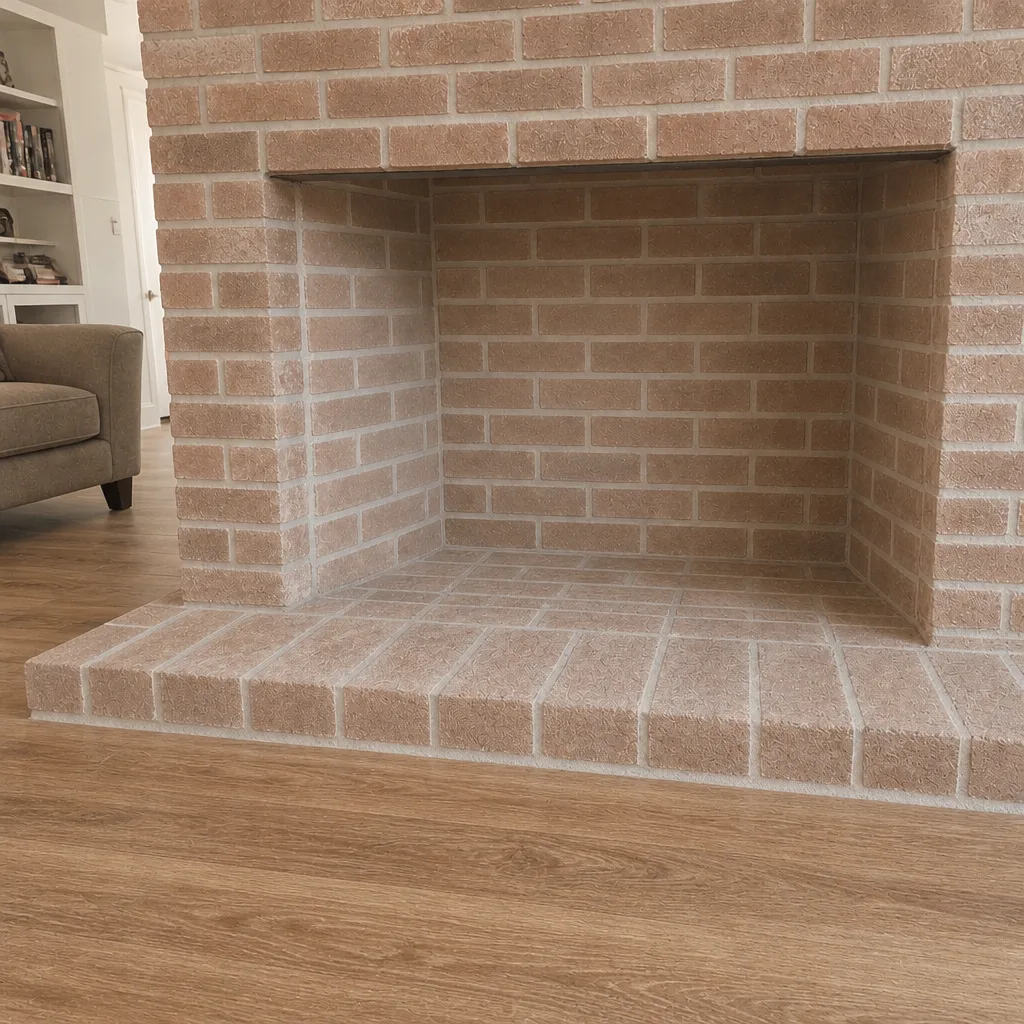
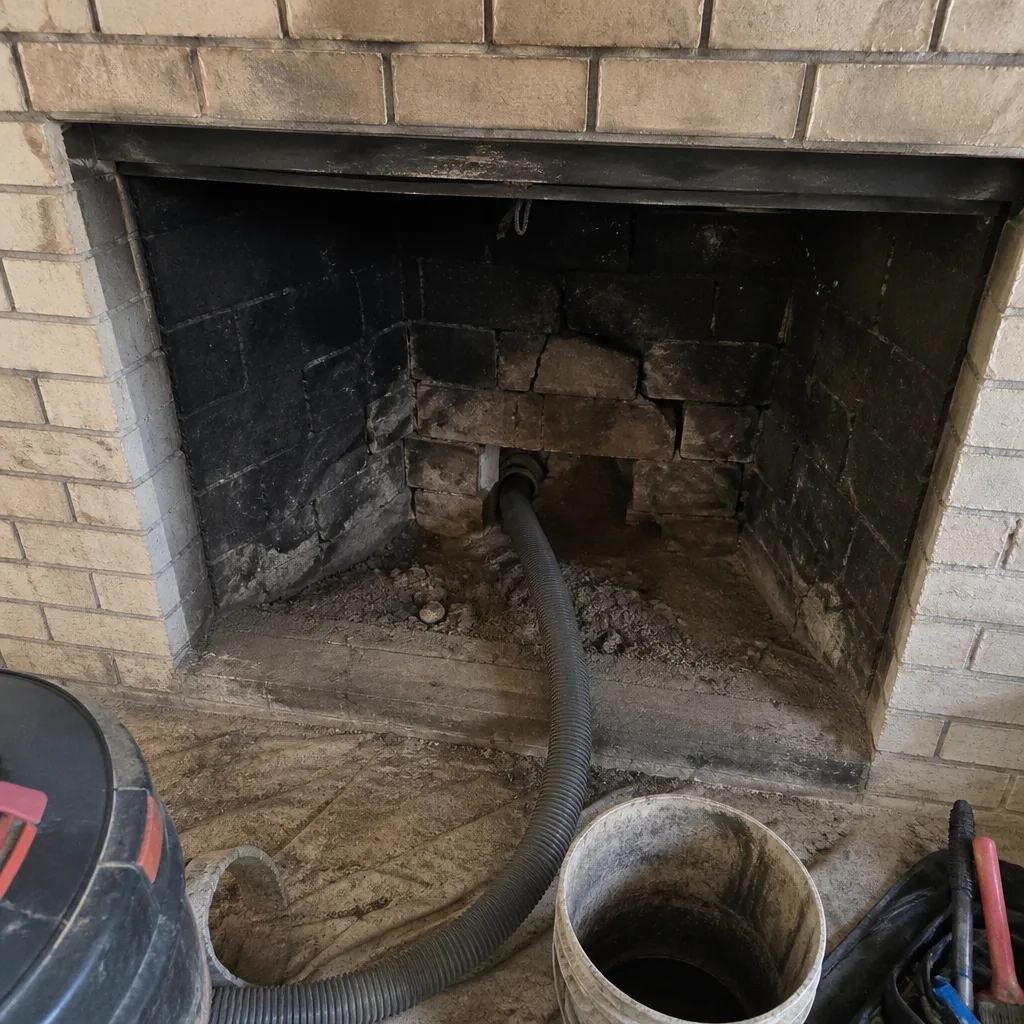
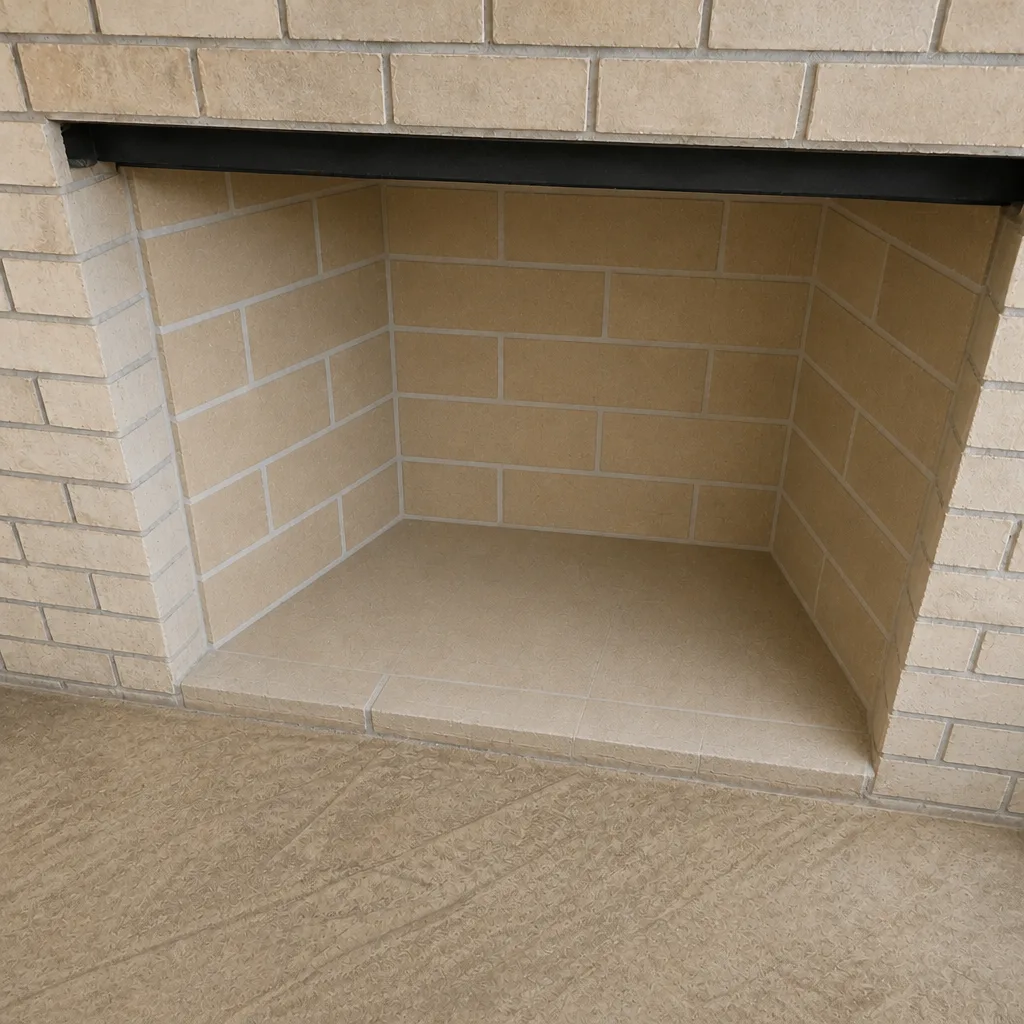
See the difference
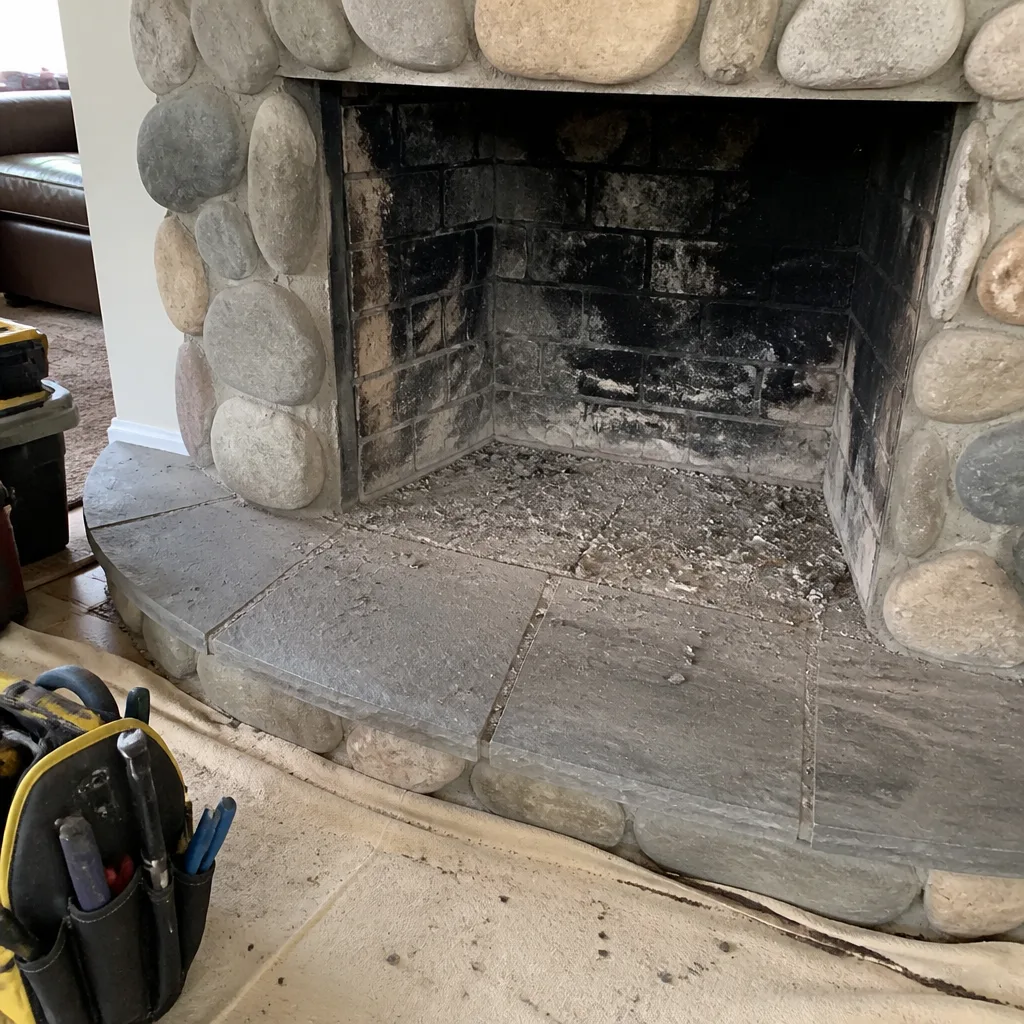 Before
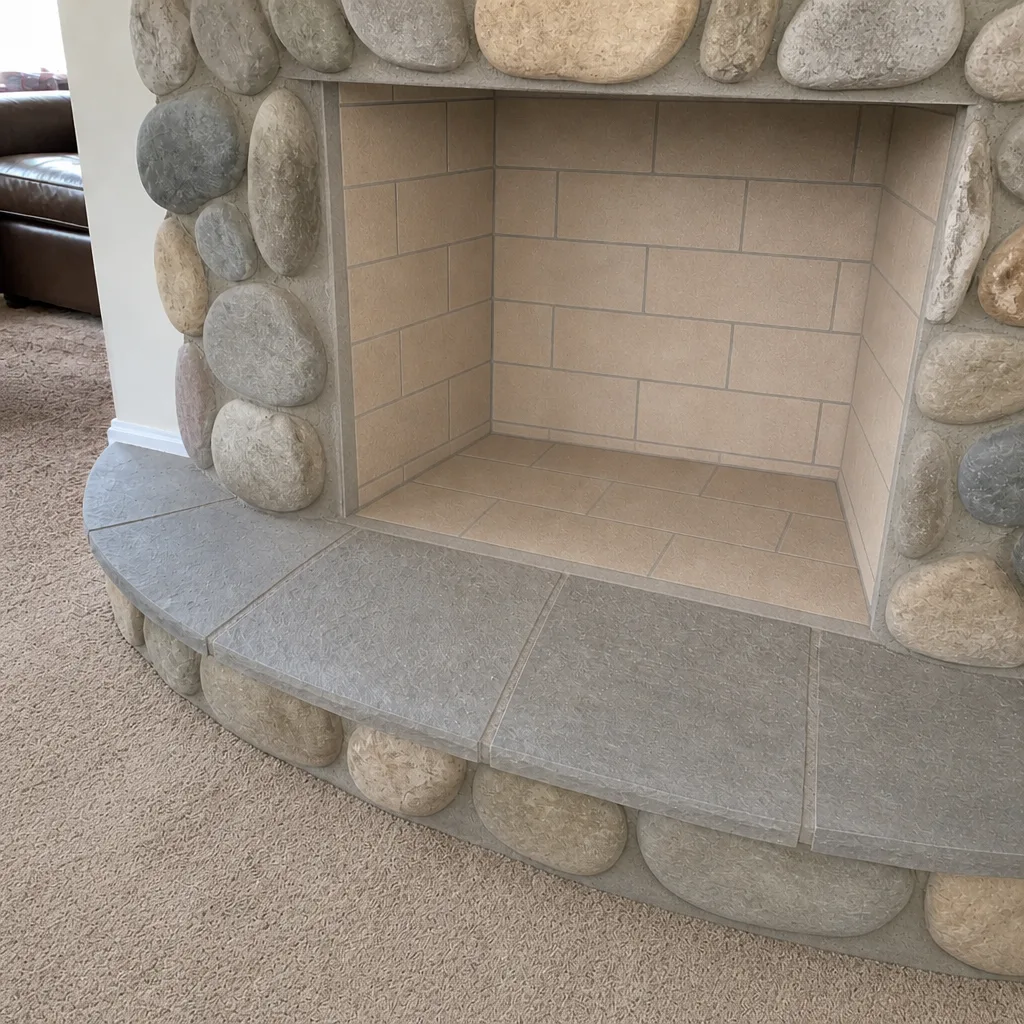 After
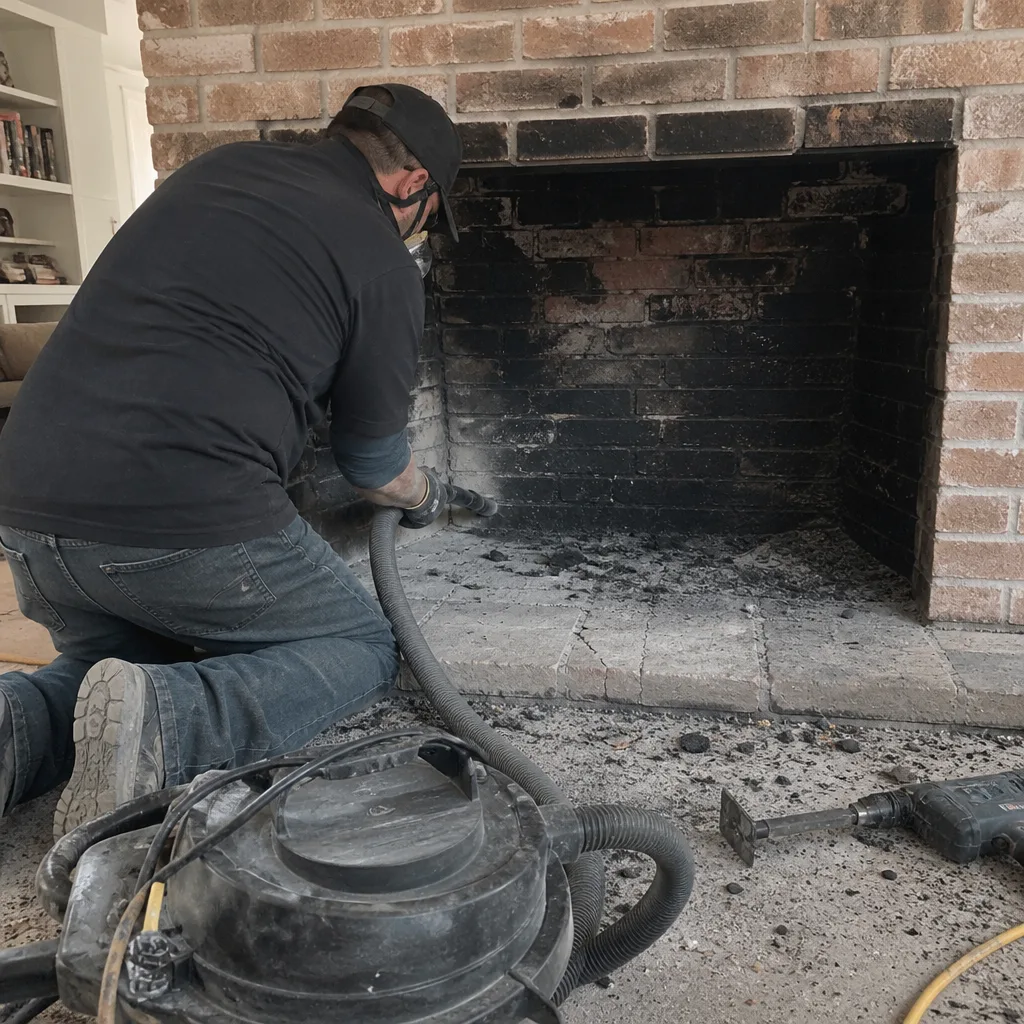 Before
 After
 Before
 After
When to Call a Professional
Call a professional for anything on the interior list: liner condition, smoke chamber, firebox, damper, and creosote thickness. Call immediately if your ground check turns up a crown crack that shows a step, a leaning chimney, missing flashing, or masonry staining that suggests active water intrusion. Call before your first fire of the season if it’s been more than a year since the last sweep, and call if you smell smoke in the house when the fireplace is running, if the damper won’t open or close fully, or if you’re buying or selling a home and need a current inspection report.
Chimney Sweep Lake Stevens offers free estimates in Lake Stevens. One call covers sweep, inspection, repair, and cap and crown work, so you don’t have to source several contractors. Call (855) 550-7486. We answer 24/7. Fast dispatch from 7am to 7pm, Sunday through Friday.
Frequently Asked Questions
Once a year if you burn wood regularly, and at minimum a formal inspection annually even in a light-use year. The wet Western Washington climate means water-related deterioration can progress in years you don’t burn much, so the inspection stays on the annual schedule regardless. Call (855) 550-7486 for an exact quote on a sweep and inspection. Estimates are free.
A sweep is the cleaning. An inspection is the assessment, with a camera, of the flue, firebox, crown, cap, and flashing, documented in a written report. Both are needed, and they’re separate services. We offer inspection as a standalone service for real estate transactions or annual safety documentation, and as part of every sweep visit.
Pricing is set per job by a written estimate based on the flue condition, accessibility, and what’s found at inspection. We don’t give a range over the phone because a chimney that needs liner work is not the same job as a routine sweep. Call (855) 550-7486. Estimates are free.
Only if the camera inspection shows the existing liner can’t contain heat and combustion gases safely. A clay liner with cracking, gaping joints, or spalling is a real concern. A liner that’s intact and continuous is not a liner you need to replace. We don’t recommend liner work without camera photos you can see, and we tell you when it can safely wait.
Creosote accumulates, water works its way into the masonry through the crown or flashing, and what would have been a modest repair becomes a larger one. Skipped maintenance also undercuts warranty coverage on liners and other components. The chimney itself usually isn’t dangerous until it is, and the way to know which side of that line you’re on is a camera inspection.
Both are water-entry points, and the crown usually goes first in this climate because it’s the flat surface everything drains off. A failing crown sends water into the masonry above the flashing, which is why we check the crown before the flashing before the liner. Caps and crowns are the two most critical barriers against chimney water intrusion, and we install and service both.
The Bottom Line
A maintenance checklist only protects your chimney if it’s tied to what actually fails in a Lake Stevens climate: water getting in through the crown and flashing, then creosote and liner problems from regular wood burning. Do a ground check after every wet season. Log what you see with dates and consistent photos. Book the professional sweep and inspection in late summer. Follow the crown-first, flashing-second, liner-third sequence, and fix water entry at the top before it reaches the flue. That’s the whole checklist, and it’s the difference between a chimney that lasts decades and one that becomes a Chimney Sweep Lake Stevens repair project.
Chimney Sweep Lake Stevens handles sweep, inspection, fireplace repair, chimney repair, and cap and crown installation under one roof. Our technicians have up to 15 years of experience, and we work with DuraFlex, HeatShield, Gelco, Olympia Chimney, Famco, and Copperfield because they’re the brands professionals specify. Call (855) 550-7486 for a free estimate. We answer 24/7. Fast dispatch from 7am to 7pm, Sunday through Friday.
Written by the team at Chimney Sweep Lake Stevens.