
Last updated November 25, 2026
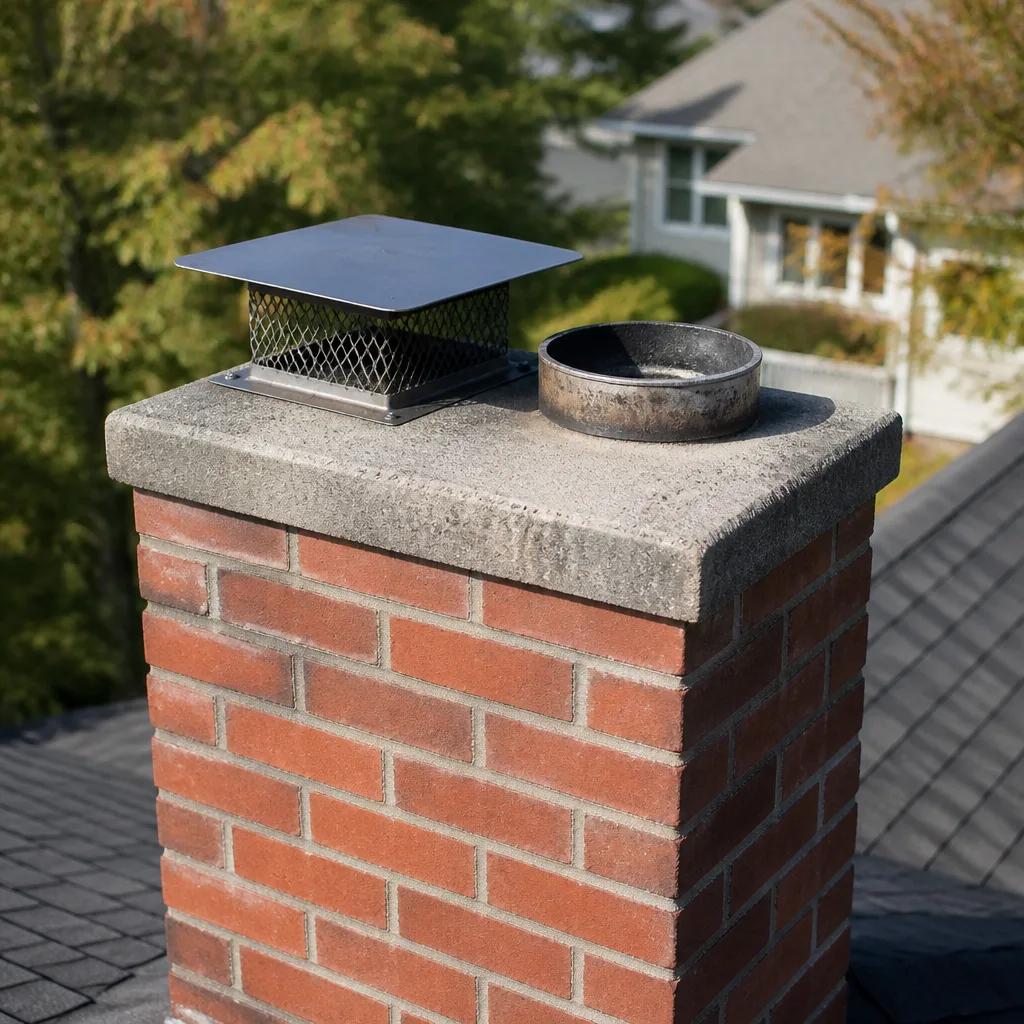 Sweep & inspection
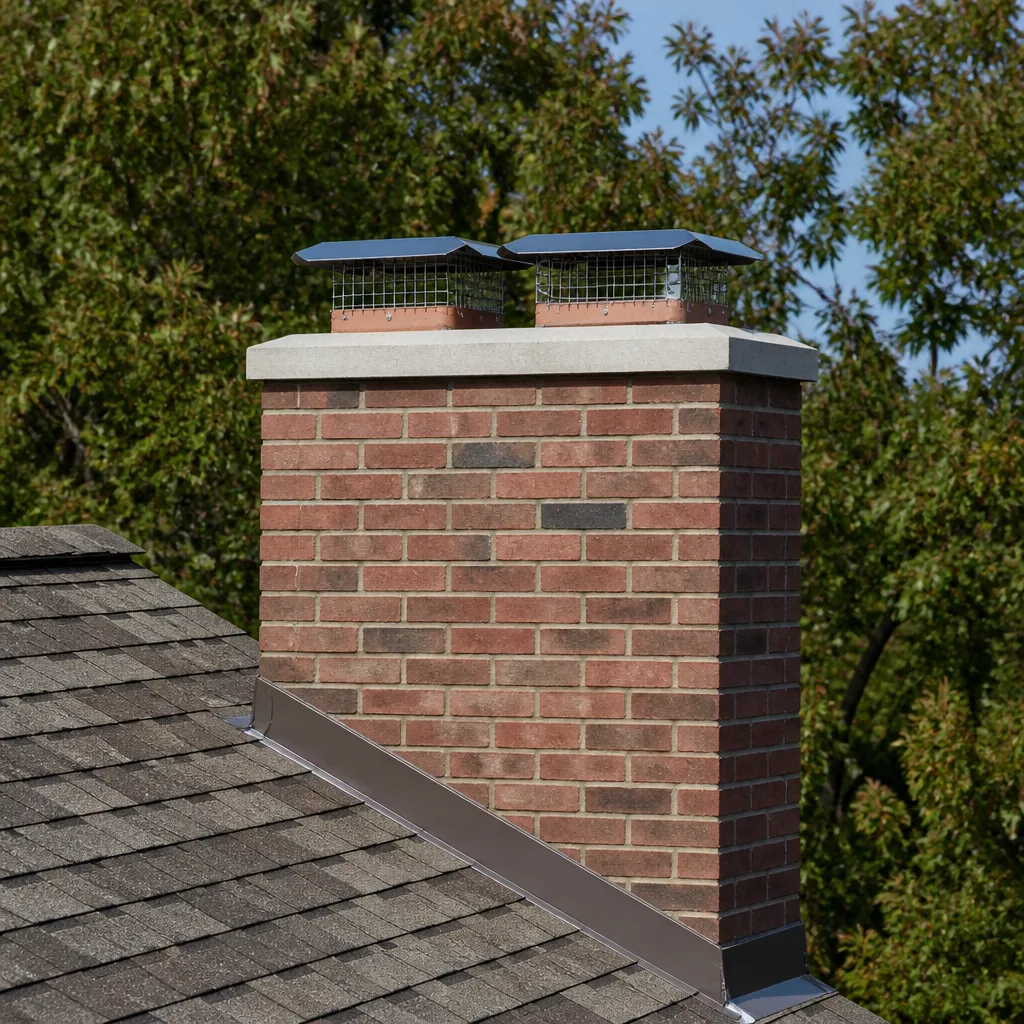 Caps & crowns
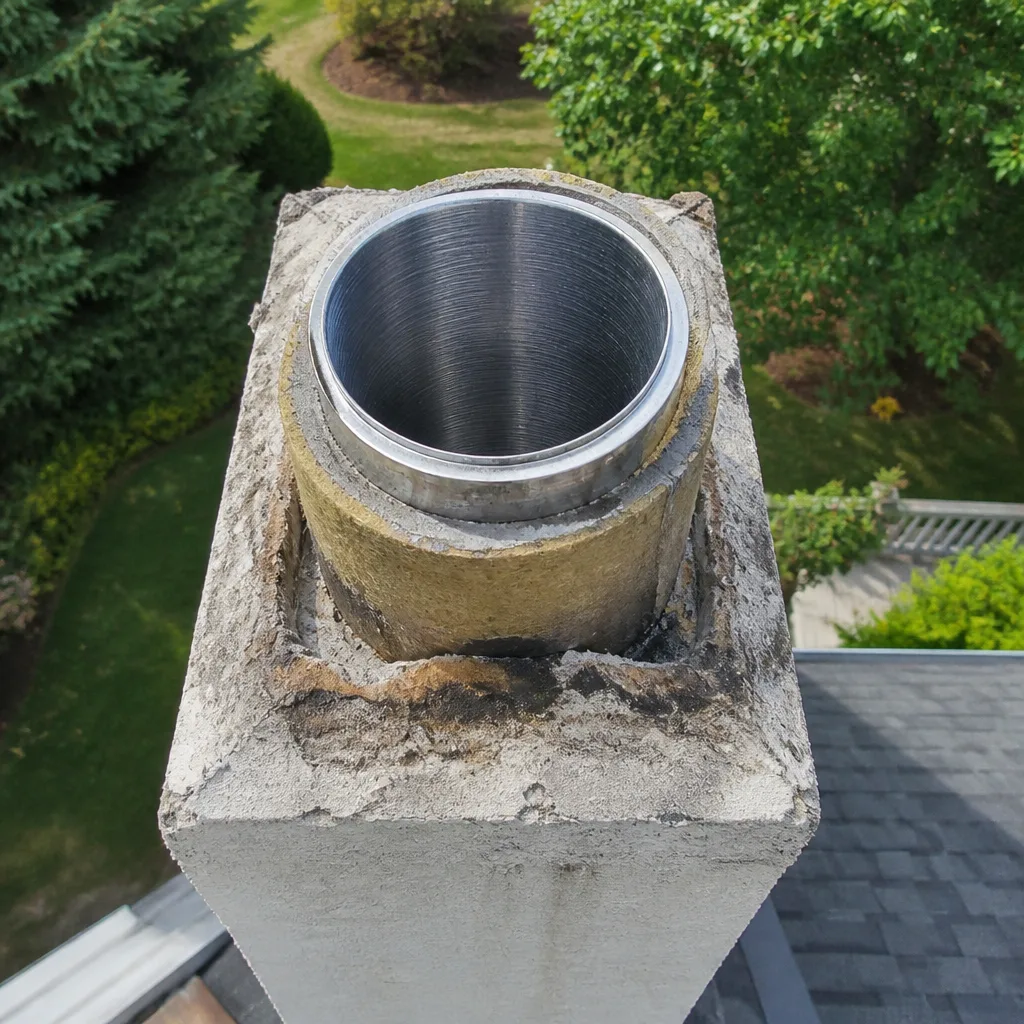 Flue relining
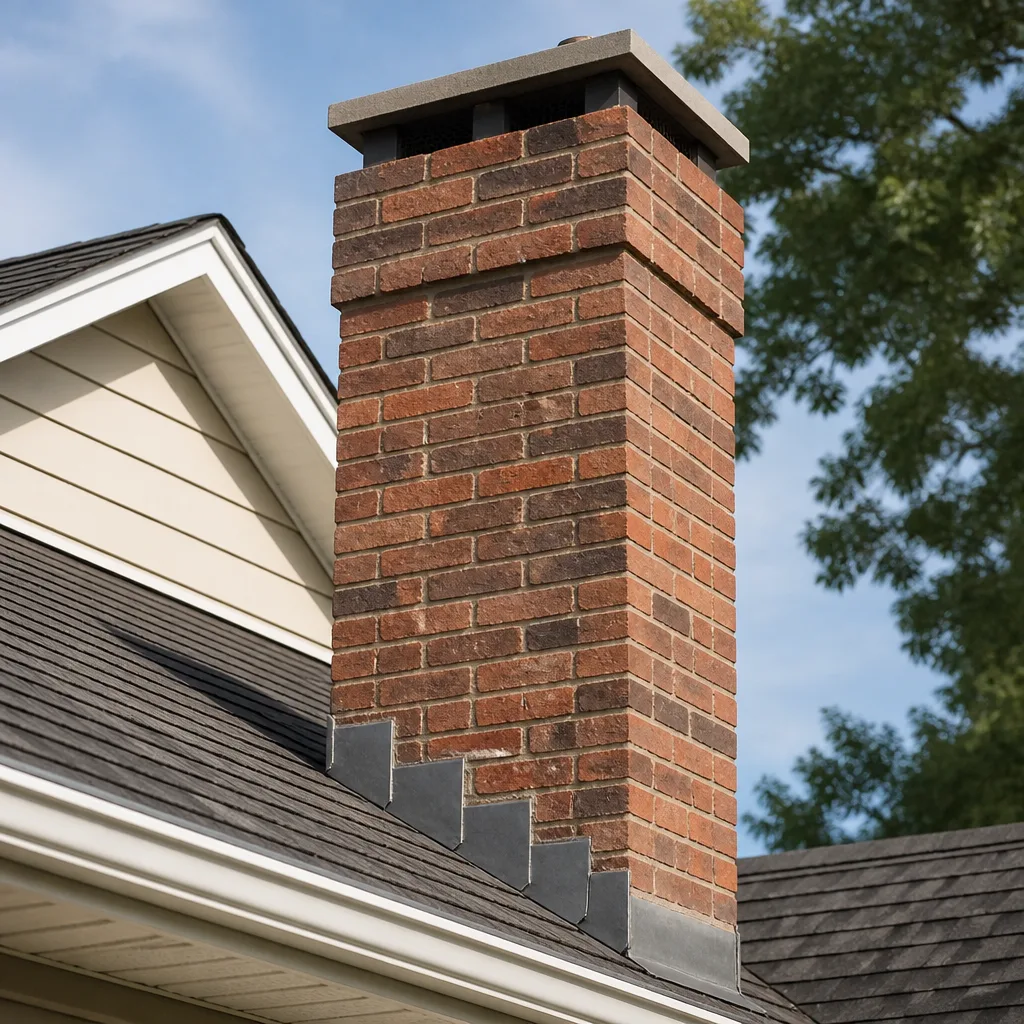 Masonry repair
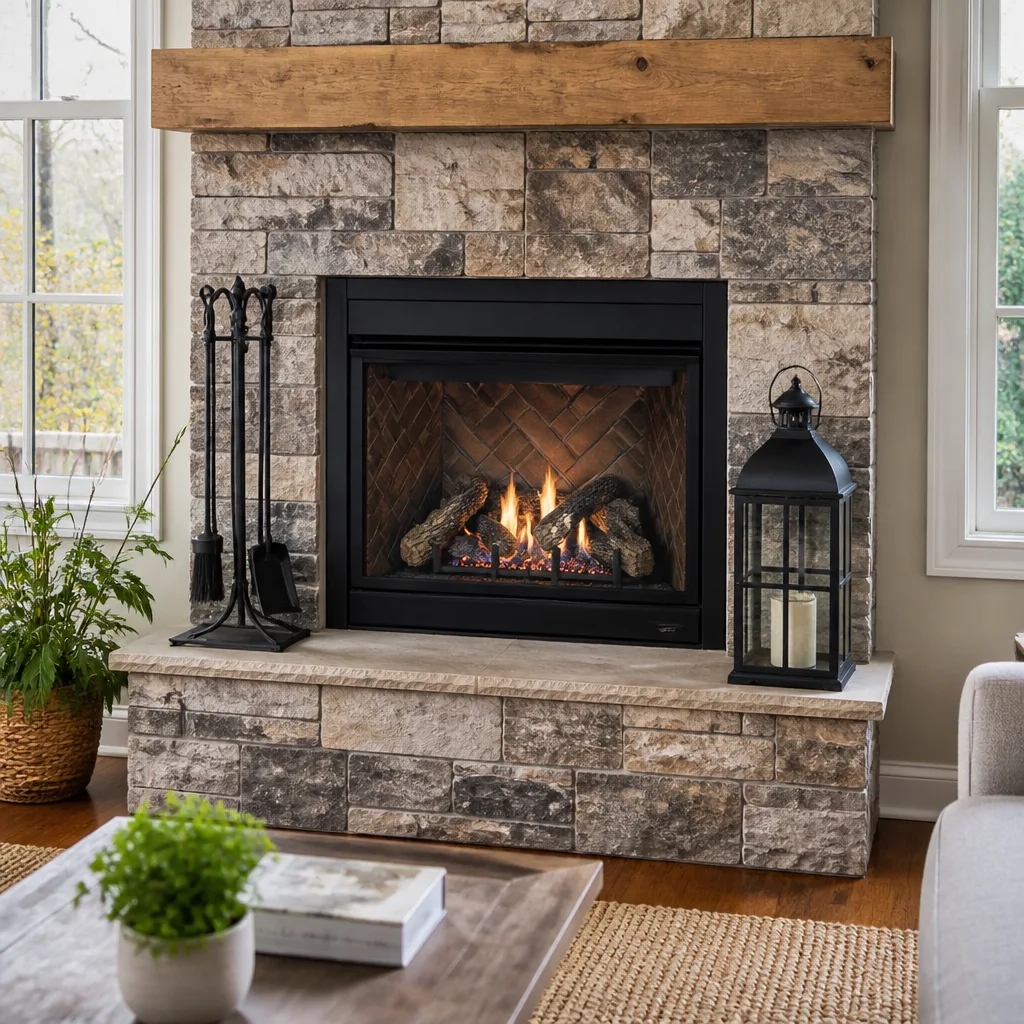 Gas fireplace service
Level 1 sweep and inspection to the NFPA 211 annual standard - flue, crown, cap, and flashing checked and photographed
Chimney sweep logs do not sweep chimneys. They loosen some creosote - which then falls where a brush and vacuum still have to collect it.
Choosing the Right Chimney Cleaning Brand: A Buyer’s Guide for Lake Stevens
Most homeowners think a chimney cleaning is a brush on a rope and a shop vac. That’s the part you see. The part that actually protects your house is what the technician knows about your flue, your liner, your cap, and the water finding its way into all three. In Lake Stevens, where a wet winter can push moisture into masonry for months on end, the difference between a quick brush-down and a real chimney assessment shows up in your walls and your attic, not in your firebox. This guide walks through how to judge a chimney cleaning brand, what questions actually matter, and what a full-system approach looks like in a Lake Stevens home.
Quick Answer
The right chimney cleaning brand is the one that treats your chimney as a system, not a single task: it sweeps, inspects, and reports what it finds in writing, it specifies professional-grade parts instead of hardware-store substitutes, and it can handle the repair that follows the inspection. In Lake Stevens, ask three things up front: what brand of liner and repair materials the company installs, whether a formal inspection is included or offered, and who does the masonry and cap work if something turns up. If the answer to the last one is “someone else,” keep looking.
Styles & brands we work with
- Sweep & inspection
- Caps & crowns
- Flue relining
- Masonry repair
- Gas fireplace service
Table of Contents
- What “Brand” Actually Means in Chimney Cleaning
- Your Chimney Is a System, Not a Task
- The Materials Behind a Brand: Liners, Caps, and Components
- Why the Inspection Matters More Than the Sweep
- What Lake Stevens Weather Does to Chimneys
- Questions to Ask Before You Book
- What a Real Report and Estimate Look Like
- Common Mistakes to Avoid
- When to Call a Professional
- Frequently Asked Questions
What “Brand” Actually Means in Chimney Cleaning
When people search for a chimney cleaning brand near Lake Stevens, they usually mean one of two things. Either they’re looking for a company name, or they’re looking for a product brand that signals quality. The two get talked about as if they’re separate. In practice, they’re tied together. A company’s brand is largely defined by what it puts into your chimney, and that’s what you can actually check.
Consumer-facing branding in this trade tends to fall into three buckets:
- Company brand – the name on the truck and the invoice. Easy to see, hard to verify.
- Product brand – the liner system, the cap, the crown mix, the components. Verifiable if you ask.
- Process brand – how the inspection is documented, how the estimate is written, whether photos are provided.
The company brand is what most homeowners compare. That’s the least useful comparison. Any two businesses can print the same promises. The product and process brands are where the real distinction lives, because those are the specifics that determine what your chimney looks like five winters from now. A company that installs professional-grade materials and documents its work in writing behaves differently than one that doesn’t, and that difference is your best signal.
At Chimney Sweep Lake Stevens, we’ve built our approach around the product and process sides because those are the parts a homeowner can actually verify. Our technicians have up to 15 years of experience, and the materials we work with come from brands that certified chimney professionals specify: DuraFlex for flexible liners, HeatShield for liner resurfacing, and components from Gelco, Olympia Chimney, Famco, and Copperfield. None of those are the kind of thing you’ll find stocked at a general retailer, and that’s the point.
Your Chimney Is a System, Not a Task
A chimney is four components doing one job. The liner carries flue gases up and out. The crown sheds water off the top of the masonry. The cap keeps rain, animals, and debris out of the flue. The flashing keeps water from getting in where the chimney meets the roof. When all four work, the chimney keeps heat in and water out. When one fails, the others start taking on stress they weren’t designed for.
This matters for how you judge a chimney cleaning brand, because cleaning alone only addresses what’s inside the flue. If your crown has a hairline crack letting water into the masonry, a sweep won’t help. If your cap is missing or rusted through, a sweep won’t help either. The company you hire needs to be looking at all four pieces, every time.
Here’s the practical version. When we sweep a chimney in Lake Stevens, the job moves through a sequence:
- Sweep the flue and remove creosote and soot from the firebox and smoke chamber.
- Inspect the flue interior for cracks, gaps, and liner damage, using a camera where the flue is closed off or long.
- Check the cap from the roof or ground level for rust, missing screen, or storm damage.
- Look at the crown for cracking, spalling, or separation from the flue tile.
- Check the flashing where the chimney meets the roofline for lifting, gaps, or failed sealant.
- Document the findings in a written report with photographs.
- Recommend next steps only where there’s visible evidence behind them.
That sequence is what “full-system” means. A company that runs only steps one and two gives you a cleaner flue and a chimney that’s still leaking water. If you’ve had a sweep and were told everything’s fine but you’ve also got a damp attic or a crumbling crown, the sweep wasn’t looking at the whole system.
The Materials Behind a Brand: Liners, Caps, and Components
The materials a chimney company specifies tell you a lot about how they think. Generic substitutes often fail sooner and fit worse. Professional-grade systems are specified by certified chimney professionals across the country because they’re engineered to a standard that holds up under heat cycling and moisture.
The three material categories worth understanding:
Liner systems
Two families matter most. Flexible stainless liners, like DuraFlex, are for chimneys where the original clay tile liner has cracked, separated, or been damaged by a previous chimney fire, and where a new liner needs to follow the existing path. HeatShield works differently – it resurfaced the inside of an existing flue with a ceramic-based product that seals cracks and restores a smooth surface, without pulling the old liner out. Both approaches extend chimney life without full demolition, and both have to be sized to the appliance and the home. Neither is available at retail, and neither can be competently installed without training.
Caps
A chimney cap is the single most protective piece of hardware on your roof, and it’s also one of the most commonly missing. Caps come in stainless and powder-coated steel, in single-flue and multi-flue configurations, and in a few standard draft designs. Brands like Gelco and Olympia Chimney make caps built to last under years of rain and heat, with mesh screens that keep birds and squirrels out of the flue. A hardware-store cap taped on top isn’t the same thing as a properly fitted, properly sized cap.
Crowns and repair components
The crown takes the most weather on the whole chimney. Repair mixes and crown materials from Famco and Copperfield are formulated to adhere to masonry, flex with temperature movement, and shed water correctly. A generic mortar patch can crack within a season; the right crown mix lasts for years. The same logic applies to components like damper hardware and firebox materials. The brand behind the part is the thing that determines whether the repair holds.
When you’re comparing chimney cleaning brands in Lake Stevens, ask for the product names. Any company installing DuraFlex and HeatShield, and sourcing from Gelco, Olympia Chimney, Famco, and Copperfield, is specifying to a professional standard. That’s a verifiable claim, and it’s the one that matters.
Why the Inspection Matters More Than the Sweep
Sweeping removes creosote and soot. That’s useful, and it’s necessary for safe operation. But the inspection is where safety actually gets confirmed, and it’s the part that gets skipped most often by lower-cost sweep services. A visual look at the end of a sweep is not an inspection. It’s a glance.
A formal chimney inspection is a documented assessment of the whole system, structure to cap, with photographs and a written report. It falls roughly into three tiers:
- Level 1 – a visual check of all accessible parts of the chimney and venting, plus the firebox and appliances. Standard for an annual service visit or a routine sweep.
- Level 2 – everything in Level 1 plus a camera examination of the flue interior, the attic, the crawlspace, and any accessible parts of the structure near the chimney. Standard when a property changes hands, after a chimney fire, after an earthquake, or when a liner change is being considered.
- Level 3 – the most detailed, and only performed when specific parts of the chimney or structure have to be opened up to reach a hazard. This is uncommon and typically tied to a specific identified problem.
In Lake Stevens, a Level 2 inspection is what most home purchase transactions call for, and it’s the tier that catches the damage a Level 1 won’t. If you’re selling a home or buying one, ask for the report, not the opinion. If you’re a long-term owner, a Level 1 on a regular schedule is usually enough, upgraded to a Level 2 whenever a change happens.
The reason this matters for brand choice: a company that offers inspection as a standalone service is structured to document, not to sell. We provide inspections for real estate transactions and for annual safety documentation as a separate service from the sweep. That’s a different posture from a company that only offers inspection as an upsell at the end of a cleaning.
What Lake Stevens Weather Does to Chimneys
Lake Stevens sits in a climate that’s hard on masonry. Long wet stretches through the cool months, repeated freeze-thaw cycles at the roofline, and a lot of rain. That combination drives nearly every common chimney failure in this area, and it’s the reason the water-protection side of chimney work matters as much as the cleaning side.
Here’s what generally happens over a decade or two in this climate:
- Crowns develop hairline cracks from freeze-thaw expansion, then spall and separate from the flue tile.
- Cap screens rust through, then the cap itself fails, opening the flue to rain and animals.
- Flashing at the roofline pulls away from the chimney, letting water track down into the masonry.
- Unlined or damaged clay tile liners saturate and begin to break down, which lets moisture into the surrounding structure.
- Masonry faces pit and spall where water has entered and frozen repeatedly.
The common thread is water. A chimney that stays dry lasts a very long time. A chimney that keeps absorbing water starts needing real repair work much sooner. That’s why cap and crown services are among the highest-value work you can do in a Lake Stevens home, and why they belong in the same conversation as the cleaning.
If your chimney sits at the edge of the tree line or faces the typical prevailing weather in the area, the effect is more pronounced. If it’s on a fireplace you use through the winter, the inside gets the heat cycling that causes liner cracks to open. Neither of those is unusual, and both are the kind of thing a full-system inspection catches and a sweep alone doesn’t.
Questions to Ask Before You Book
The best way to judge a chimney cleaning brand is to ask specifics before you book. Vague answers are the signal. Good companies will answer these without hesitation, because the answers are things they already specify on every job. Here’s what to ask:
- What brand of liner do you install if a liner is needed? If the answer is “the standard one,” follow up. You want a named professional system like DuraFlex or HeatShield, not a generic substitute.
- Is the inspection included, or is it a separate service? Both answers can be fine, but you want to know which you’re getting. A formal inspection provides a document. A sweep alone doesn’t.
- Do you provide a written report? If not, ask what documentation you’ll receive. Photos and a written summary are standard for a serious company.
- Can you do masonry, cap, and crown work yourselves? If the answer is no, you’ll end up coordinating between a sweep and a mason. That’s the multi-contractor problem.
- What brands of cap and crown material do you specify? The right names are Gelco, Olympia Chimney, Famco, Copperfield, or equivalents from that tier.
- Do you work with our insurer if a claim comes up? Chimney fire damage is often claimable. A company used to working with insurers saves you work.
- What will the estimate cover? You want it in writing, itemized, before work starts, so nothing turns up on the invoice that you didn’t agree to.
The pattern in these questions is the same across all of them: you’re asking the company to specify. Specifying is what a specialist does. It’s what a general handyman doesn’t, because they don’t carry the parts and they don’t install the systems.
What a Real Report and Estimate Look Like
Two documents separate a specialist chimney brand from a sweep crew: the inspection report and the estimate. Both should be in writing, both should be specific, and both should be something you can keep on file.
The inspection report
A proper report covers the firebox, damper, smoke chamber, flue, crown, cap, and flashing. It notes the condition of each with a photograph where the condition is worth seeing. If the report recommends a liner replacement, it should say what was seen that justifies that recommendation – a gap in the clay tile, spalling inside the flue, evidence of a past chimney fire. You should be able to read the report, look at the photos, and understand exactly why a particular piece of work has been recommended. That’s the standard we hold ourselves to at Chimney Sweep Lake Stevens: nothing recommended without visible evidence behind it, and clearly stated where a repair can safely wait.
The estimate
The estimate should be itemized. It should separate the sweep, the inspection, and any repair recommendations so you can see what you’re paying for and what you’re being asked to consider. This is also where the brand names should show up. If the estimate recommends a DuraFlex liner, the line item should say DuraFlex. If it recommends a crown rebuild, the material should be named. Vague line items like “chimney work” are a bad sign.
The written estimate sets the final price. If work turns up something unexpected during the job, we come back to you with the finding before proceeding. That’s the honest version of how this works.
Common Mistakes to Avoid
- Choosing on price alone. A sweep that’s half the typical price usually skips the inspection. In Lake Stevens’s wet winters, the missed inspection is where the real cost shows up later.
- Accepting “your chimney needs a new liner” without photos. Liner replacement is expensive. It should come with evidence – cracks in the flue tile, spalling, or signs of a prior fire. Ask to see the photos. If they can’t or won’t provide them, get a second opinion.
- Assuming a sweep covers the cap and crown. Most chimney water damage happens at the top of the chimney, not the flue. If the company doesn’t inspect the cap and crown, the whole water-protection side of the system is unchecked.
- Hiring three different contractors. A sweep, then a mason, then a cap installer means three schedules, three invoices, and no single party responsible for the outcome. One company with all five services avoids this.
- Skipping the inspection at a home purchase. A Level 2 inspection from a company that documents its work is the single best protection a buyer or seller has. A verbal “looks fine” isn’t.
- Ignoring the creosote glaze. Glazed creosote is the buildup that drives chimney fire risk. It can’t be brushed off. If your sweep can’t identify it and tell you what it means, find one who can.
- Trusting a company that won’t name brands. The brand behind the liner and the cap tells you the tier the company is working at. If no brand is named on the estimate, that’s a signal about the tier the work will be done at.
When to Call a Professional
Some chimney issues can wait for the next scheduled service. Others shouldn’t. Call us when you notice water stains on the chimney breast, on the ceiling near the chimney, or in the attic; when a strong smoky smell persists long after the fire is out; when the firebox or damper has visible damage; when a cap is missing, rusted through, or hanging loose; when the crown has visible cracks or crumbling material; when a home purchase or sale needs a Level 2 inspection; or when you burn regularly and it’s been more than a year since the last sweep. If you’ve had a chimney fire – even a small one that went out on its own – get an inspection before the next fire.
We offer free estimates in Lake Stevens. One call covers the sweep, the inspection, the repair, and the cap and crown work. Chimney Sweep Lake Stevens is the place to start when you’re ready, and you can reach us at (855) 550-7486. We answer 24/7. Fast dispatch from 7am to 7pm, Sunday through Friday, closed Saturday.
Frequently Asked Questions
A routine chimney sweep in Lake Stevens typically costs between $150 and $350, depending on the flue configuration, the amount of creosote, and whether a cap inspection is included. A formal Level 2 inspection typically adds $150 to $400 on top of the sweep. The written estimate sets the final price, so the quote you get before the work starts is the price you’ll see on the invoice. Call (855) 550-7486 for an exact quote. Estimates are free.
Not every chimney needs a liner, and no liner should be installed without visible evidence that the existing one has failed. The evidence is specific: cracks in the clay tile, gaps at the joints, spalling, or signs of a past chimney fire. Ask to see the photos from the inspection. A damaged clay tile liner is a safety issue because it allows heat and gases to contact the combustible structure around the chimney. But if the evidence isn’t there, the liner isn’t needed. If it is there, DuraFlex and HeatShield are the professional systems we specify. Call (855) 550-7486 to schedule an inspection with photo documentation.
Once a year for a wood-burning fireplace in regular use, which typically means any chimney that burns more than a cord of wood per season. A gas fireplace chimney needs less frequent sweeping but still needs an annual inspection because the venting and the appliance both age. Lake Stevens homes with heavy winter use often need more frequent sweeps than the once-a-year baseline, particularly where the wood being burned is green or the firebox is on the smaller side.
Creosote builds up on the inside of the flue, and glazed creosote – the hard, shiny form – is the flammable stage. A chimney fire starts where glazed creosote meets heat, and a chimney fire can damage the liner even when it goes out on its own. Carbon monoxide is the other concern: a blocked or damaged flue can allow combustion gases to vent into the home instead of up and out. The sweep removes the creosote and the inspection confirms the flue is intact. Call (855) 550-7486 if it’s been more than a year since the last sweep. Estimates are free.
Yes. A Level 2 inspection is the standard for a home purchase, because it covers the flue interior, the attic, the crawlspace, and the accessible structure around the chimney. That’s the tier that catches liner damage, water intrusion, and past chimney fire damage that a Level 1 visual check would miss. The written report from the inspection gives both buyer and seller a shared document to negotiate from, which usually costs less than renegotiating later. Call (855) 550-7486 to schedule a Level 2 inspection.
A sweep removes creosote and soot from the flue and firebox. An inspection is a documented assessment of the whole chimney system, including the liner, crown, cap, flashing, and any accessible structure, with photographs and a written report. They’re different services with different outcomes. The sweep makes the chimney cleaner; the inspection tells you what condition it’s in. We offer both, and we offer the inspection as a standalone service when that’s what you need – for a real estate transaction, an insurance claim, or annual safety documentation. Call (855) 550-7486 to book.
The Bottom Line
A chimney cleaning brand is defined by the materials it specifies, the documents it provides, and the range of work it can do without handing you to another contractor. In Lake Stevens, where wet winters put a lot of pressure on crowns, caps, and flashing, the full-system approach isn’t a luxury – it’s the difference between a chimney that lasts and one that needs repairs every few years. Ask about DuraFlex and HeatShield for liners, Gelco and Olympia Chimney for caps, Famco and Copperfield for crowns. Ask for a written report with photos. Ask whether the same company can handle the masonry and the cap work. If the answer is yes to all three, you’ve found the right brand. When you’re ready, remember to schedule a chimney sweep before the burning season starts, keep fireplace repair in mind if you notice firebox or damper damage, and treat chimney repair as a standing option if the inspection turns up masonry or liner issues. One call covers all of it.
Chimney Sweep Lake Stevens – five core services under one roof: chimney sweeping, fireplace repair, chimney repair, chimney inspection, and chimney cap and crown installation. We work with professional-grade brands including DuraFlex, HeatShield, Gelco, Olympia Chimney, Famco, and Copperfield. Call (855) 550-7486. We answer 24/7. Fast dispatch from 7am to 7pm, Sunday through Friday, closed Saturday. Estimates are free.
Written by the team at Chimney Sweep Lake Stevens.
See the difference
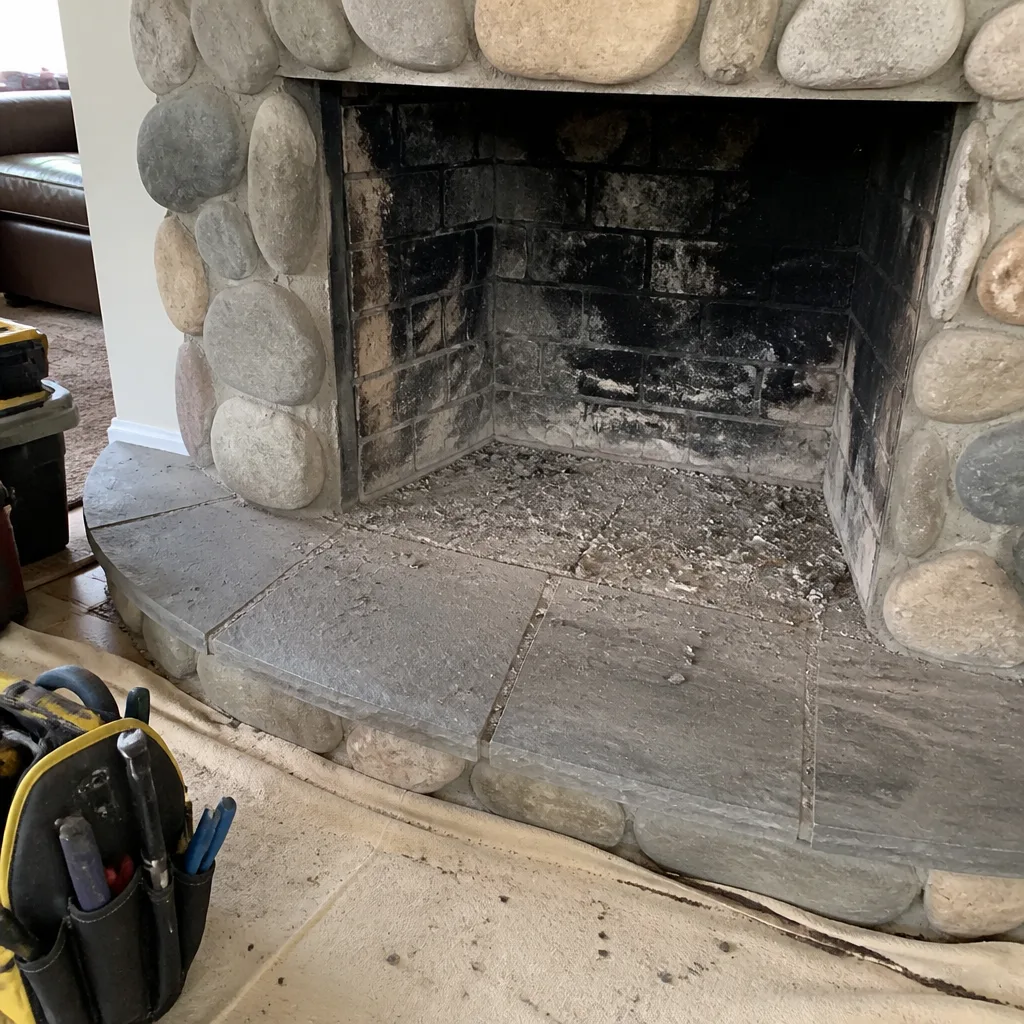 Before
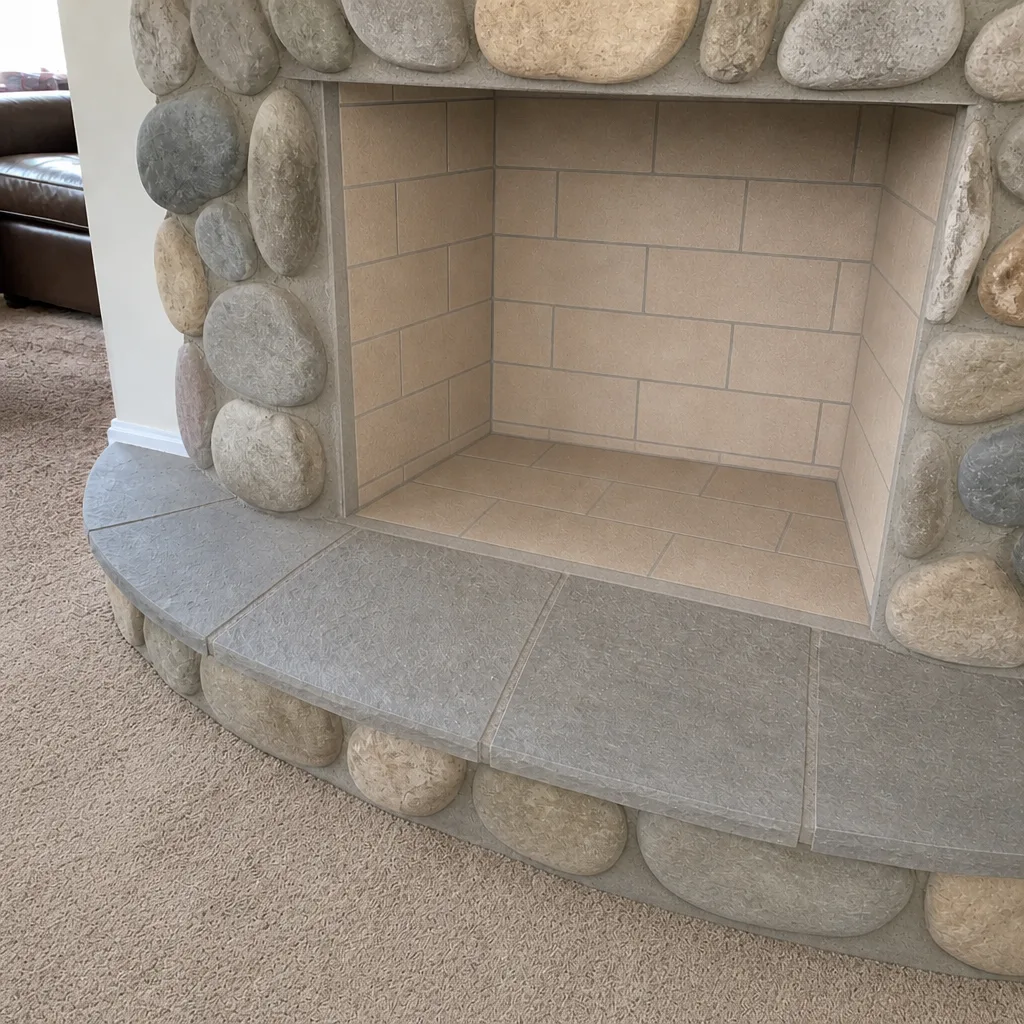 After
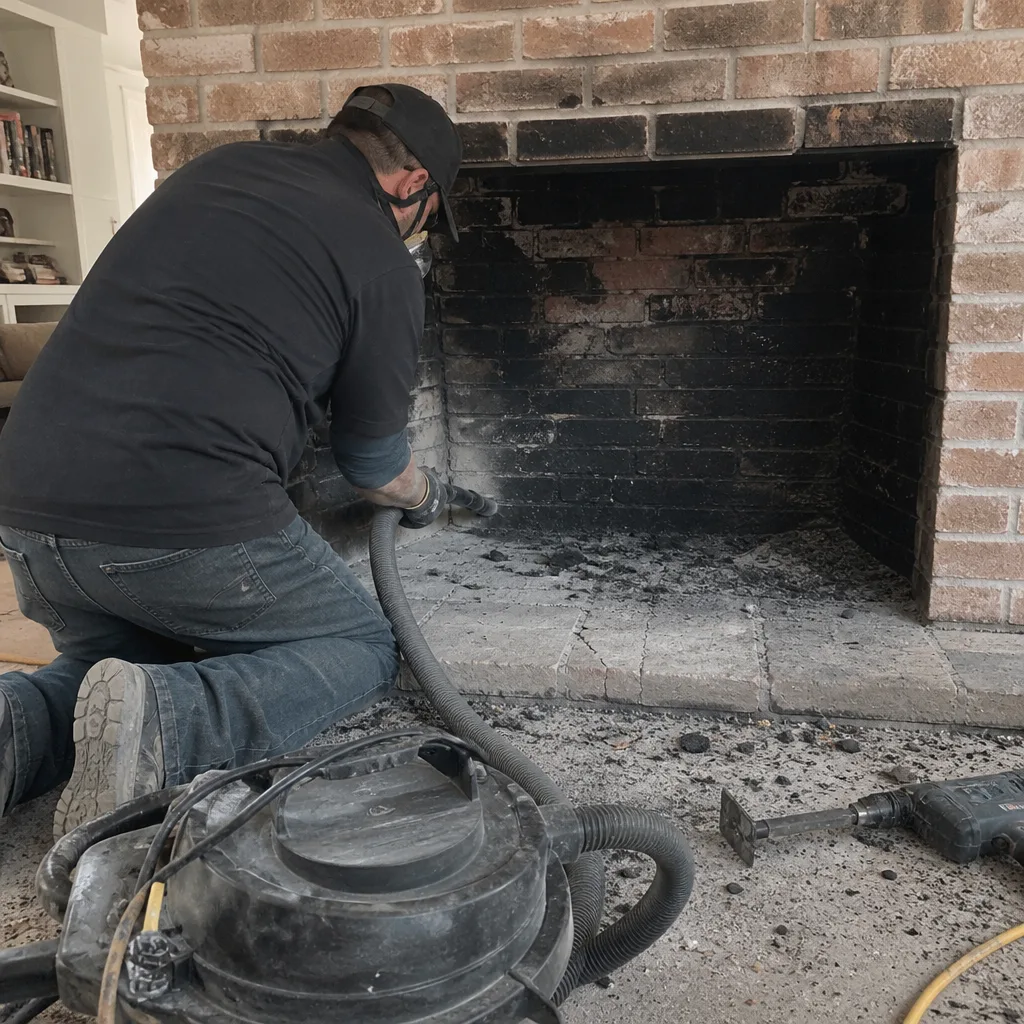 Before
 After
 Before
 After