
Last updated November 25, 2026
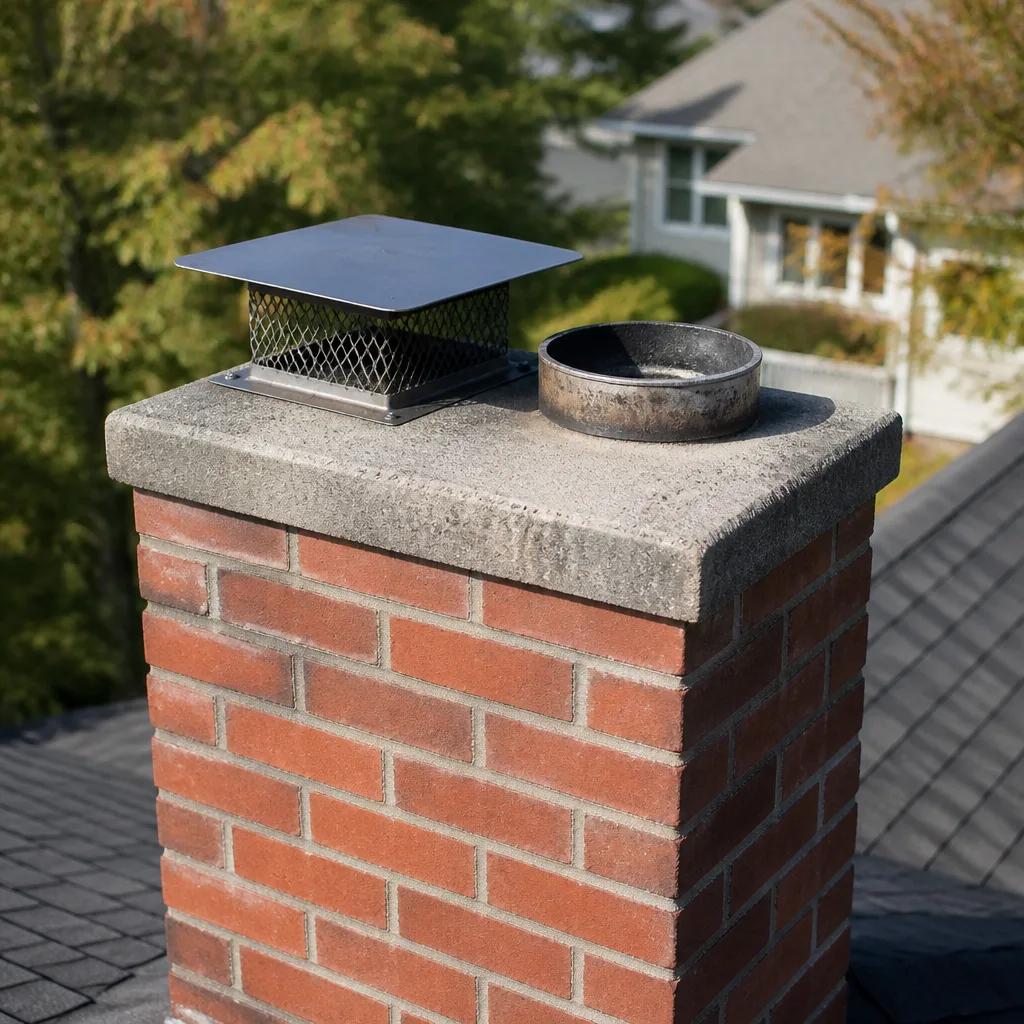 Sweep & inspection
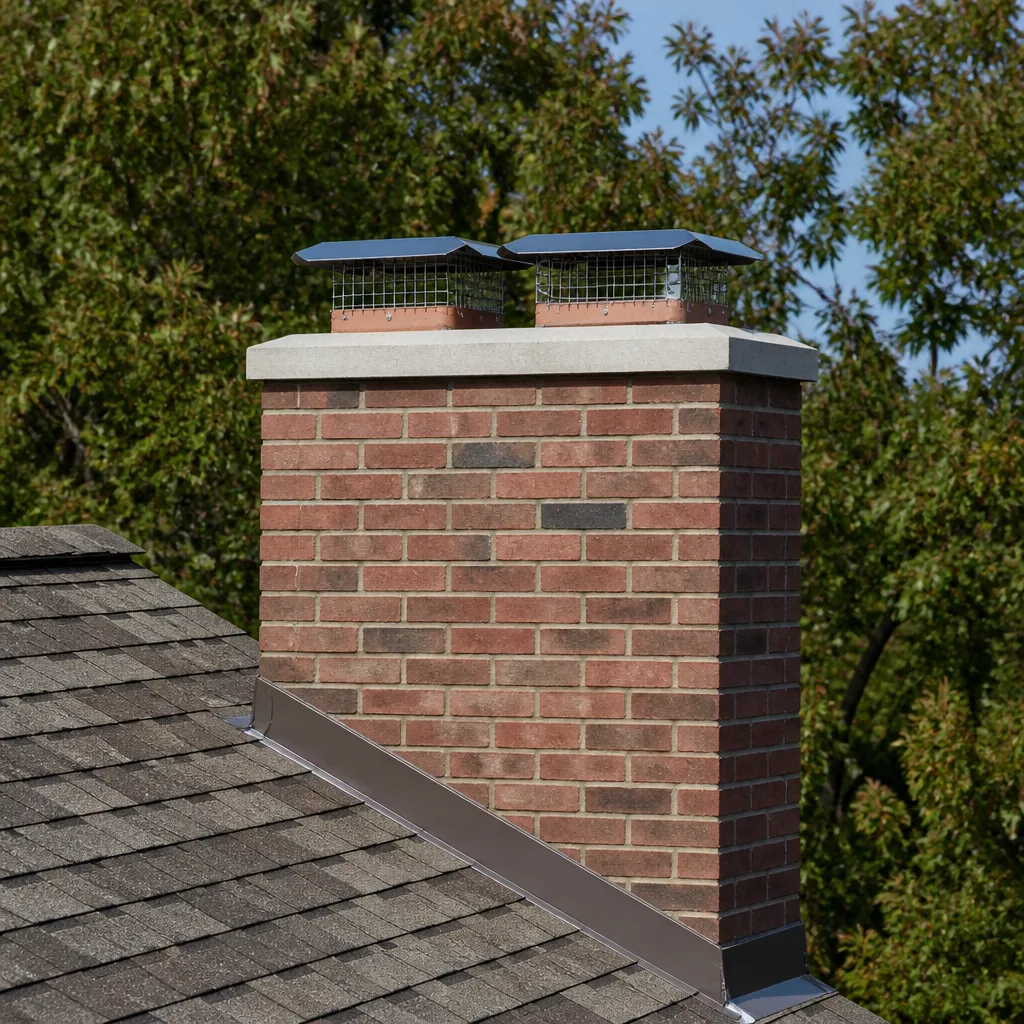 Caps & crowns
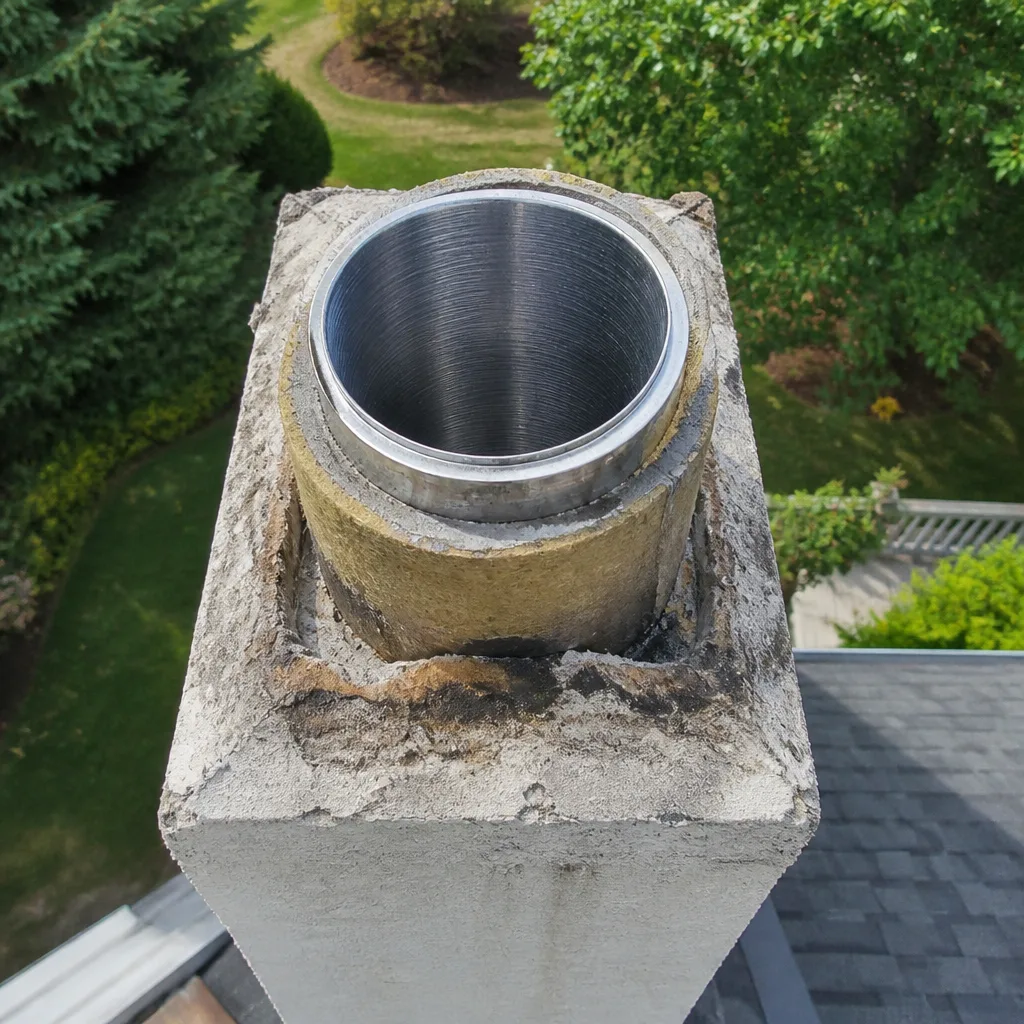 Flue relining
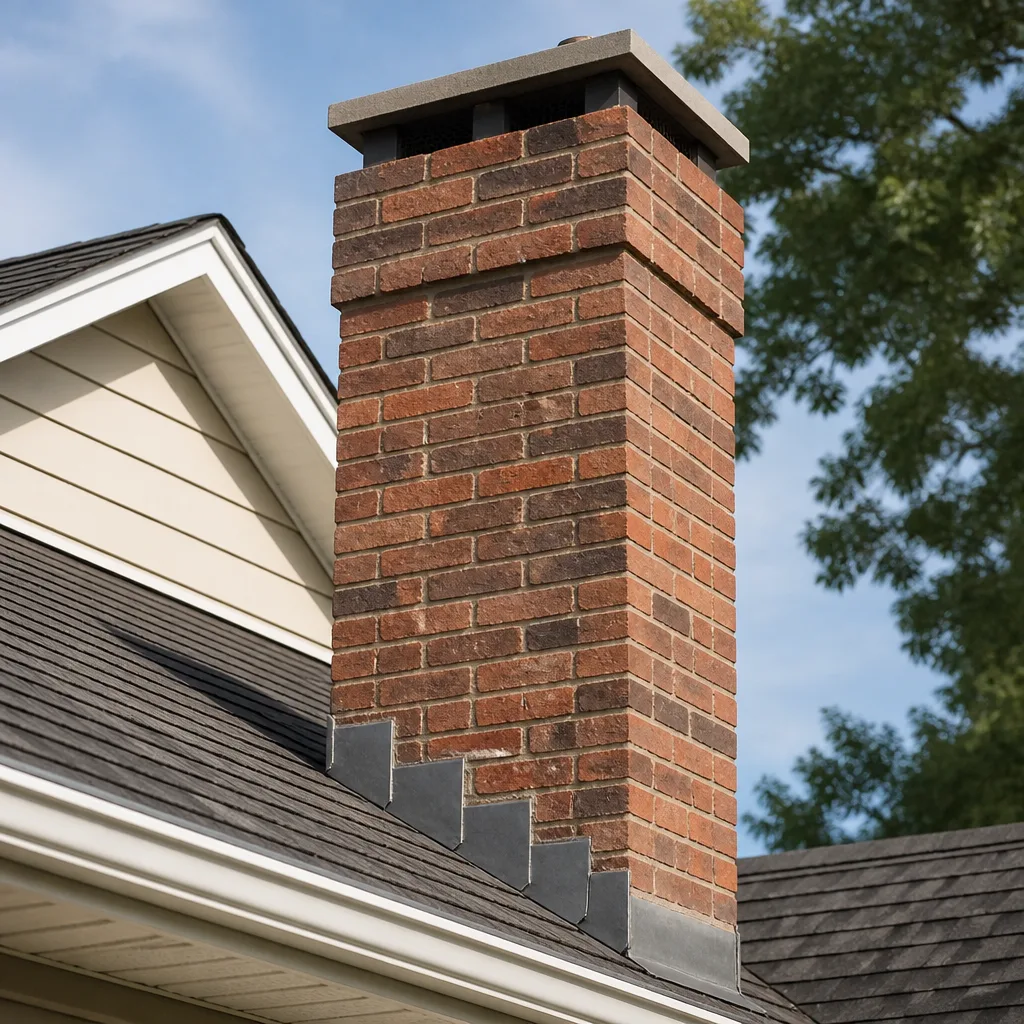 Masonry repair
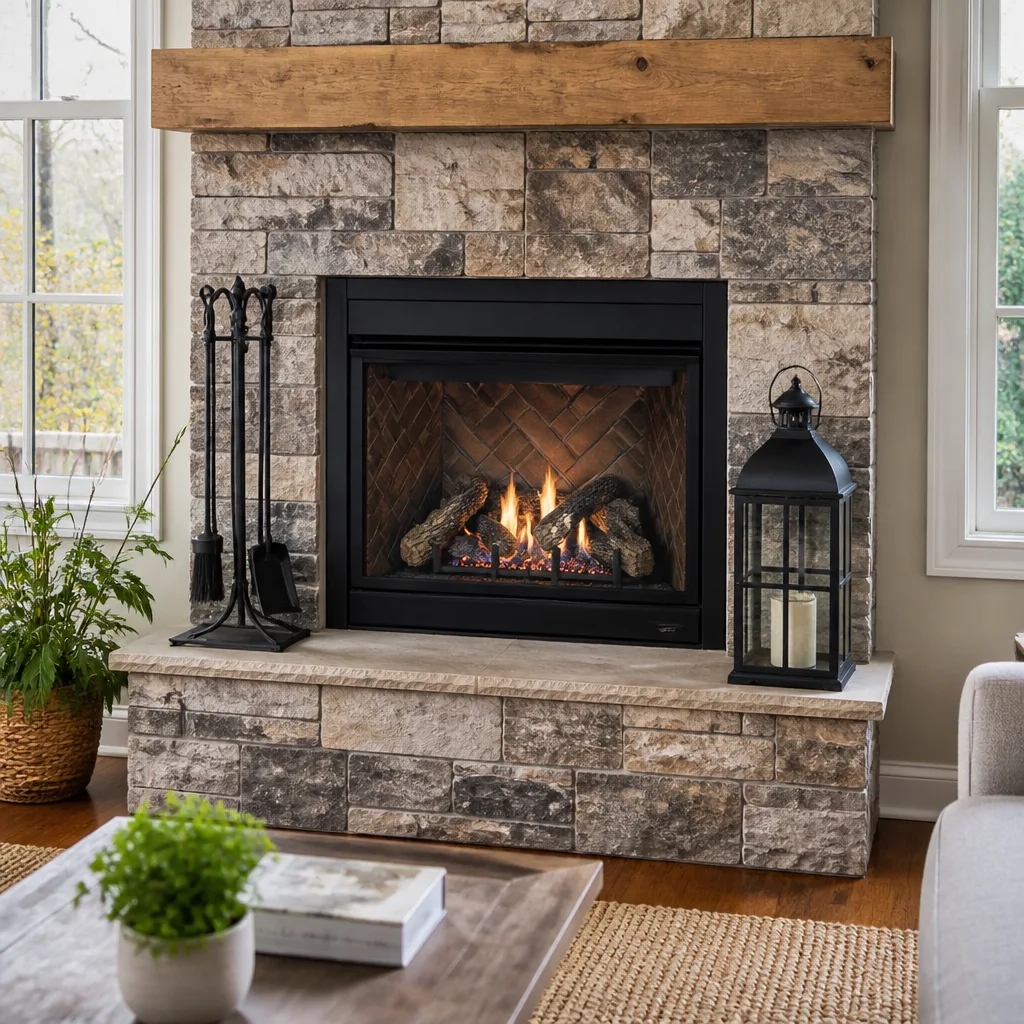 Gas fireplace service
Level 1 sweep and inspection to the NFPA 211 annual standard - flue, crown, cap, and flashing checked and photographed
Chimney sweep logs do not sweep chimneys. They loosen some creosote - which then falls where a brush and vacuum still have to collect it.
How to Hire a Chimney Cleaning Contractor in Lake Stevens: A Step-by-Step Guide
The cheapest chimney cleaning quote in Snohomish County often comes from someone who will clean what’s visible and miss what’s dangerous. A business card that says “chimney sweep” can belong to a certified specialist who inspects the full system, or to a handyman with a brush kit and a shop vacuum. Both will hand you a price. Only one will tell you what’s actually happening inside your flue. In Lake Stevens, where many homes burn wood through the wet months and a fair number sit under tall firs that keep the cap damp, that difference matters. This guide gives you a vetting framework you can run through in a single phone call, so you book the right contractor the first time.
Quick Answer
To hire a chimney cleaning contractor in Lake Stevens, verify credentials first, then compare scope. Confirm the sweeper holds a CSIA Certified Chimney Sweep credential you can look up in the CSIA directory, ask whether they work to NFPA 211 standards, and require a written inspection report rather than a verbal summary. A cleaning-only crew removes creosote. A full-system specialist also checks the liner, crown, cap, and flashing, and documents what they find. Price comes last, and only after scope is identical across quotes.
Styles & brands we work with
- Sweep & inspection
- Caps & crowns
- Flue relining
- Masonry repair
- Gas fireplace service
Table of Contents
- What “Chimney Sweep” Actually Means in the Lake Stevens Market
- CSIA and NFI Credentials: What They Mean and How to Verify Them
- The Three Questions That Reveal a Full-System Specialist
- What a Written Inspection Report Should Contain
- How to Compare Chimney Quotes When the Scope Varies
- Red Flags in Contractor Responses
- Why Lake Stevens Conditions Change What Your Chimney Needs
- A Step-by-Step Booking Process, Start to Finish
What “Chimney Sweep” Actually Means in the Lake Stevens Market
In Lake Stevens, “chimney sweep” describes anything from a CSIA-certified technician with a camera and a formal report to a general handyman who owns a rotary brush. There’s no state license category for chimney sweeping in Washington, which means the phrase on a truck or a website tells you very little. The work is real either way. The scope is not the same.
A cleaning-only operation runs a brush through the flue and leaves. That’s a legitimate service, and if your chimney is otherwise sound, it’s the one you need. The trouble is that a cleaning-only crew can’t tell you whether the liner has a crack, whether the crown has spalled, or whether the flashing has pulled away from the masonry. They weren’t hired for that and often aren’t equipped for it. On a house in the Hartford area or along the hills above the lake, where wind-driven rain works at the chimney top year after year, those are exactly the things that fail first.
A full-system specialist treats your chimney as an assembly. The liner, crown, cap, and flashing all work together, and a failure in one stresses the others. That’s why we approach the job in that order: cleaning, then inspection of the whole stack, then a documented report of what’s sound and what isn’t. You don’t have to buy repair work from us. You do have to know what’s there before anyone quotes you a price.
Here’s the practical split for a Lake Stevens homeowner:
- Cleaning-only crew: removes soot and creosote from the flue and firebox. May or may not provide a written report. Usually can’t install a liner, rebuild a crown, or supply a documented inspection for a real estate transaction.
- Full-system specialist: cleans, inspects the liner, crown, cap, flashing, and firebox, provides a written report, and can carry out the repair work to a professional standard using materials like DuraFlex flexible liners or HeatShield resurfacing rather than generic substitutes.
Both exist in the Lake Stevens area. Your job is to know which one you’re talking to before they arrive. The Chimney Sweep Lake Stevens page lays out our full scope if you want a reference point for what “full-system” looks like.
CSIA and NFI Credentials: What They Mean and How to Verify Them
The CSIA Certified Chimney Sweep credential is the industry’s baseline for competence in sweeping and inspection, issued by the Chimney Safety Institute of America. It requires passing an exam and staying current with continuing education. Verification takes under two minutes: the CSIA maintains a public directory of certified sweeps, searchable by name or ZIP code. If a contractor claims certification, look them up. If they’re not listed, they’re not currently certified.
The NFI (National Fireplace Institute) credential covers hearth appliances specifically, gas, wood, and pellet. It matters if your home has a gas insert, a pellet stove, or a fireplace system with specific installation requirements. NFI certification confirms the technician has been tested on that appliance category. A sweep who works on gas fireplaces without that grounding may clean the flue correctly and still miss a venting problem on the appliance itself.
What the credentials actually tell you:
- CSIA: the technician has passed an exam on sweeping and inspection practice, codes, and safety, and holds current certification.
- NFI: the technician has been tested on hearth appliance installation and service for the fuel type in your home.
- Neither: the technician may still be skilled, but you have no independent way to check, and no standard to hold them to if something goes wrong.
One more credential that comes up: some sweeps advertise membership in the National Chimney Sweep Guild. It’s a professional association, not a certification, and it doesn’t replace CSIA. It’s a good sign of engagement with the trade, not proof of competence. Look for CSIA first.
We hold our technicians to that standard, and our technicians have up to 15 years of experience. When you call a contractor in Lake Stevens, ask for the CSIA number or name and check the directory while you’re still on the phone. Any credentialed sweep will expect the question. A good one will welcome it.
The Three Questions That Reveal a Full-System Specialist
You don’t need a long interview. Three questions sort cleaning-only crews from full-system specialists quickly, and the answers are harder to fake than a price quote. Ask them in the order below.
- “What will you inspect beyond the flue, and will you give me that in writing?” A cleaning-only crew answers “we clean the flue and do a visual check.” A full-system specialist lists the liner, crown, cap, flashing, firebox, and damper, and confirms a written report is part of the appointment. If the answer is verbal only, that tells you what you need to know.
- “Do you work to NFPA 211, and what does that require you to check?” NFPA 211 is the National Fire Protection Association standard for chimneys, fireplaces, vents, and solid-fuel appliances. It sets the baseline for inspection levels and clearances. A specialist knows the standard by name and can describe the Level 1, Level 2, and Level 3 inspection differences. A crew that has never heard of it is cleaning, not inspecting.
- “What brands of liner and chimney components do you install?” This is the question most homeowners skip, and it separates a real specialist from a generalist. Professional-grade liner systems and components are specified and installed by trained technicians. We work with DuraFlex flexible liners, HeatShield liner resurfacing, and parts from Gelco, Olympia Chimney, Famco, and Copperfield because that’s what professionals specify, not what sits on a hardware store shelf. A vague answer here (“whatever’s available”) means the crew isn’t installing professional systems.
The pattern of the answers matters more than any single one. A genuine full-system specialist will answer all three without hesitation and without upselling. If a contractor answers the first question by telling you what needs fixing before they’ve inspected it, that’s not an answer. That’s a sales pitch.
What a Written Inspection Report Should Contain
A written inspection report is documentation you can keep on file: a formal assessment of your chimney’s condition at a point in time, signed and dated, that you can hand to a buyer, an insurer, or a future contractor. A verbal assessment is not documentation, and if something goes wrong later you have nothing to point to. For a Lake Stevens home going on the market, or for a homeowner who wants an annual safety record, the written report is the whole reason to book a formal inspection.
A complete report should include, at minimum:
- Inspection level: which NFPA 211 level was performed and why. A Level 1 covers readily accessible portions. A Level 2 includes the attic, crawlspace, and accessible portions of the flue and is the standard for a real estate transaction or after a chimney fire or major event.
- Flue and liner condition: the internal condition of the flue, any cracks, gaps, or spalling, and whether the flue is lined to current standards.
- Crown and cap condition: the crown is the concrete top of the chimney, and the cap is the cover over the flue. These are the two most critical barriers against water intrusion, and both should be photographed and described.
- Flashing: the metal at the roof-to-chimney joint. Failed flashing is one of the most common sources of hidden water damage in a Lake Stevens home.
- Creosote level: how much soot and creosote buildup was found, and how that level relates to the next cleaning interval.
- Photographs: photos of anything flagged, so you can see what the technician saw. A report that describes a defect without a picture is a claim you can’t verify.
Ask to see a sample report before you book. A specialist will have one to share. It’s the clearest test of whether “inspection” means the same thing to them as it does to you.
How to Compare Chimney Quotes When the Scope Varies
Chimney quotes are hard to compare because “inspection” and “cleaning” mean different things at different contractors. One quote for $150 might include a written report, a camera inspection, and a full-system check. Another quote for $150 might be a brush through the flue with a verbal “looks fine.” The number is identical. The value isn’t close. Before you compare price, make the scope identical on paper.
Ask every contractor to list these line items separately:
- Cleaning scope: flue, firebox, smoke chamber, damper. Which are included, which are extra?
- Inspection level: Level 1, 2, or 3, and whether a written report is included in the base price.
- Camera inspection: is a video scan of the flue included, or is it an add-on?
- Repair work: quoted separately after inspection, or bundled into the cleaning price?
- Any charges for coming out, callouts, or trip time. At our company the estimate is free, and the written estimate sets the final price per job.
Once the scopes match, compare price. Two things to watch for. First, bunched quotes: if a contractor folds “inspection” and “cleaning” into one undifferentiated number, you can’t tell what you’re paying for and neither can they. Second, a low cleaning quote with a high repair quote attached after the visit. That’s not necessarily wrong, since repairs are real, but it means the cleaning price wasn’t the whole picture. Ask what’s typically found on a chimney of your age and type, and ask for the report to back it up.
If you want a reference for how we structure a quote, our chimney sweep service includes a camera inspection and a photo report, with a flat-price sweep agreed before booking. That’s the standard we’d ask any contractor to match.
Red Flags in Contractor Responses
The most useful information often comes from what a contractor doesn’t say. Here’s what to listen for when you talk to anyone in the Lake Stevens area.
- Vague scope: “We’ll clean it out and let you know” is not a scope. If the contractor can’t describe what they check, they probably don’t check it.
- No mention of NFPA 211: the standard for chimney and vent inspection. A specialist knows it and works to it. A cleaning-only crew often hasn’t heard of it, and that’s a sign of the level of training behind the brush.
- Pressure to approve repairs on the same visit: a contractor who diagnoses a crack in the liner and then pushes for an immediate signature isn’t giving you a chance to see the evidence. Ask for photos. Any professional will provide them, and any work that can safely wait should be allowed to wait.
- No written report, or a report that’s just a receipt: a one-line “chimney cleaned” line on an invoice is not documentation.
- No CSIA lookup possible: if the certification can’t be found in the CSIA directory, it doesn’t count. Certifications are verifiable or they’re marketing.
- Generic parts language: if asked about materials, “we use what’s in stock” is a tell. Professional liner systems and components come from named manufacturers, not from a hardware aisle.
- No mention of cap and crown: these are the two most critical barriers against water intrusion, and a specialist will always have something to say about yours. A crew that never looks up is missing the top of the system.
One red flag is subtle: a contractor who won’t tell you when work can wait. Our view is that a report should say plainly what needs doing now and what doesn’t need doing this year. A technician who flags everything as urgent is telling you about their sales process, not your chimney.
Why Lake Stevens Conditions Change What Your Chimney Needs
Lake Stevens sits in western Snohomish County, in a wet, temperate climate with a long heating season. That shapes what your chimney deals with year to year. Wood fires run from fall into spring in most homes, which builds creosote steadily. Wet weather keeps the masonry damp, which speeds the freeze-thaw damage that cracks crowns and opens mortar joints. And the tall firs around many Lake Stevens properties drop needles that pack into chimney caps and onto roofs, holding moisture right where you don’t want it.
What that means in practice:
- Annual cleaning is a floor, not a plan. A fireplace used through the wet months can build enough creosote in a single season to warrant a sweep before the next one. Burning well-seasoned wood helps, but it doesn’t replace a cleaning.
- The crown and cap are working harder than the flue. Water intrusion is the most common form of chimney damage in this climate, and the top of the stack sees the most of it. A sound cap and a sealed crown keep heat in and water out, and they cost less to maintain than masonry repair down the line.
- Weight of fir debris matters. Needles and branches packing into the cap restrict draft and hold moisture against the masonry. Checking the cap is part of the inspection, not an afterthought.
- Formal inspections are worth booking separately. In a Lake Stevens real estate transaction, or when you simply want a record of condition for the year, a standalone inspection gives you documentation. It doesn’t need to be tied to a cleaning.
None of this is exotic. It’s the ordinary pattern of chimney care in western Washington, and a contractor who works in Lake Stevens full time should be able to talk to all of it. If a sweeper looks blank when you mention crown spalling or cap damage, they’re not working this climate.
A Step-by-Step Booking Process, Start to Finish
Here’s the sequence that keeps you in control from first call to final report.
- Verify credentials before you book. Ask for the CSIA certification name and check the directory. Under two minutes, done from your phone. If NFI applies to your appliance, ask for it too.
- Ask the three questions from earlier. What gets inspected beyond the flue, do you work to NFPA 211, and what liner and component brands do you install. Note the answers.
- Confirm the scope in writing. Cleaning scope, inspection level, and whether a written report with photos is included. Get it in an email or text before you agree.
- Agree the price before booking. The estimate is free, and a flat-price sweep agreed in advance means no surprises. If a contractor won’t confirm a price before the visit, walk away.
- Book the appointment. Call (855) 550-7486. We answer 24/7. Fast dispatch from 7am to 7pm, Sunday through Friday.
- Review the report before buying anything. Read the inspection report. Look at the photos. Ask what can safely wait. Any repair recommendation should come with evidence you can see for yourself.
- Schedule repairs separately, on your timeline. If work is needed, the quoted price and scope should be in writing before it starts. Nothing should be approved on the spot under pressure.
If you’ve already had a cleaning and want a second opinion on the report, a standalone inspection gives you a documented baseline. Our chimney repair page shows how repair scope is assessed from the inspection, and the fireplace repair page covers the appliance side of the system.
Common Mistakes to Avoid
- Booking on price alone. The lowest cleaning quote often comes from a crew that won’t inspect the crown, cap, or flashing, which are exactly where water damage starts in a wet Lake Stevens climate. You save on cleaning and pay for it in masonry repair later.
- Accepting a verbal assessment. “Looks fine” isn’t documentation. Ask for a written report with photos you can keep, especially for a real estate transaction or an annual safety record.
- Assuming “chimney sweep” means certified. In Washington, no state license category covers the work. CSIA certification is verifiable in a public directory, and a contractor who doesn’t have it isn’t’ on that list.
- Comparing quotes without normalizing scope. A cleaning quote that includes a camera inspection and a written report is not the same product as a brush-through with a verbal check, even at the same price.
- Approving repairs on the same visit. A recommendation you can see and understand, with photos and a price in writing, is a repair. A recommendation you have to accept on the spot is a sales tactic.
- Letting a generic handyman source the liner. Liner systems and components from named professional manufacturers, such as DuraFlex or HeatShield, are specified for a reason. Generic substitutes cut corners where it matters most.
- Skipping the cap and crown. These two components do most of the work of keeping water out. If a contractor never mentions them, ask directly.
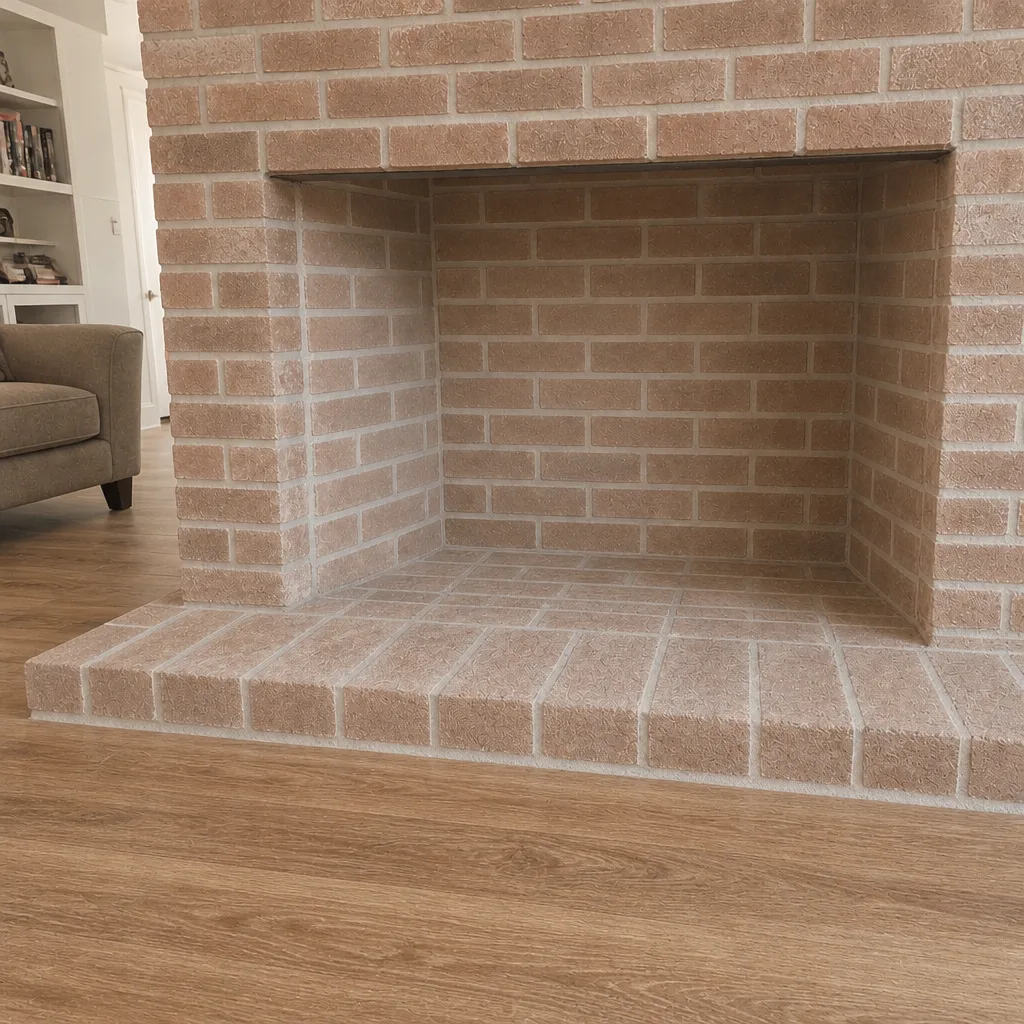
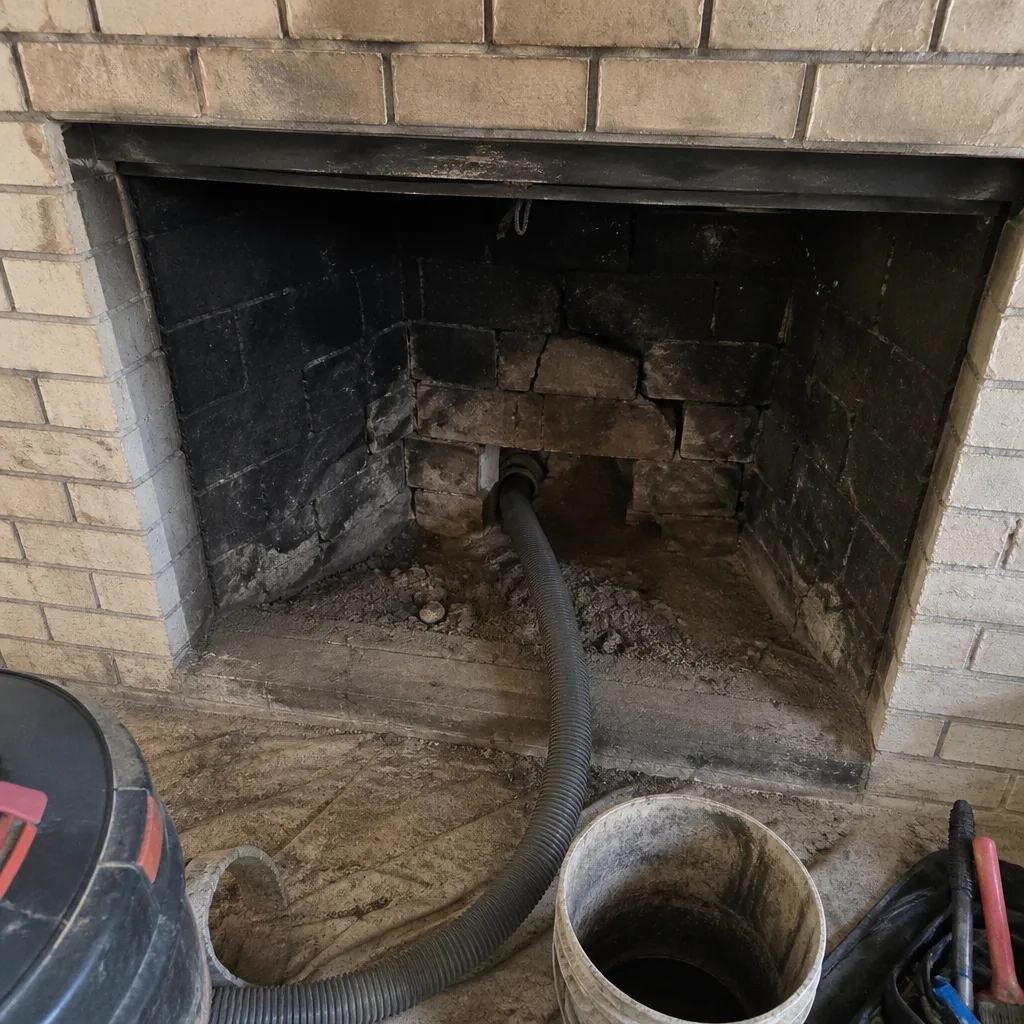
See the difference
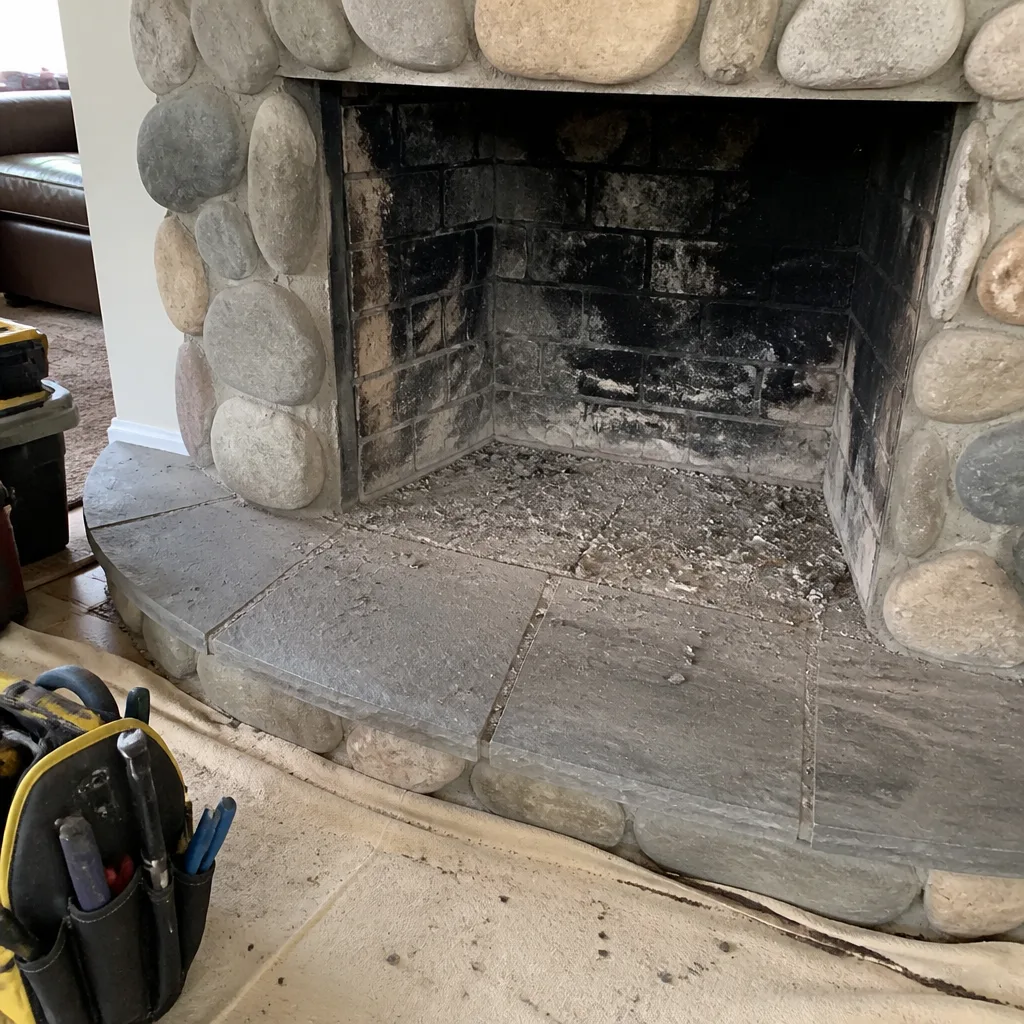 Before
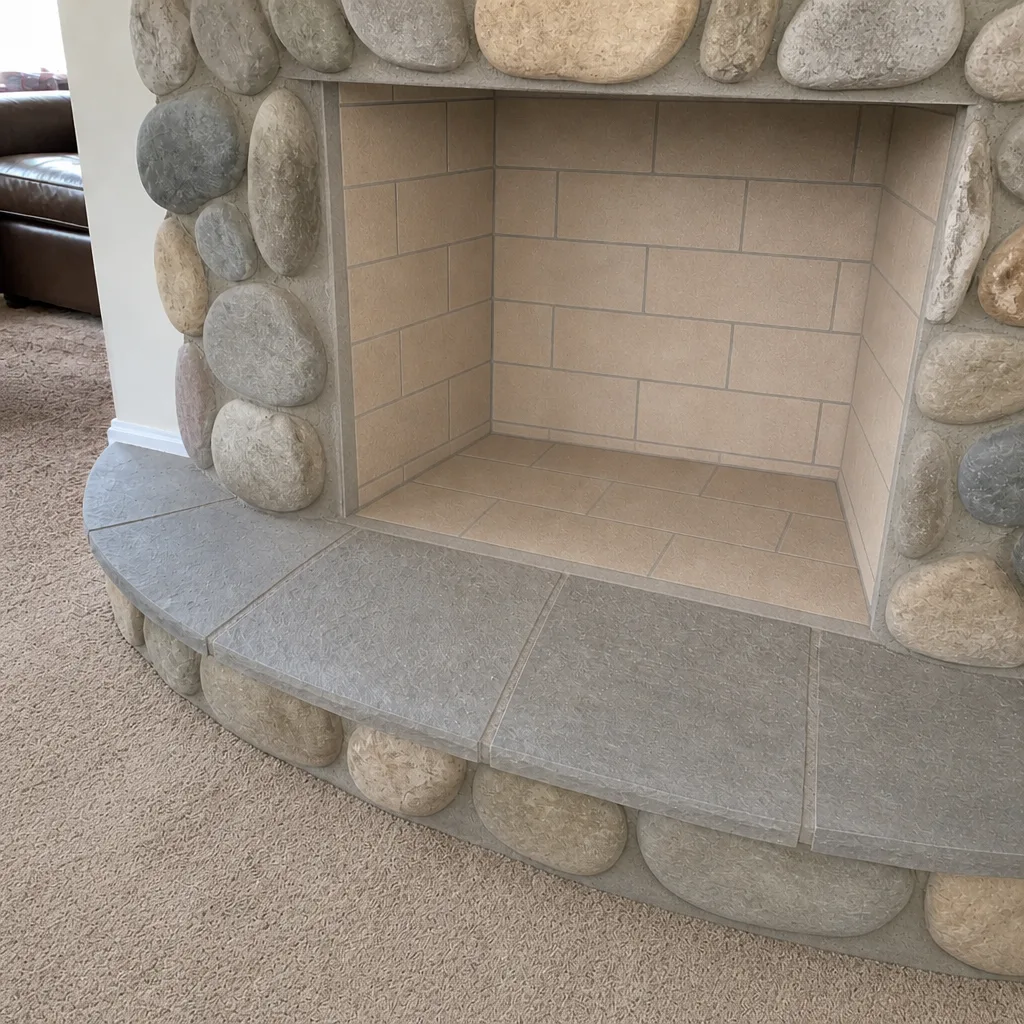 After
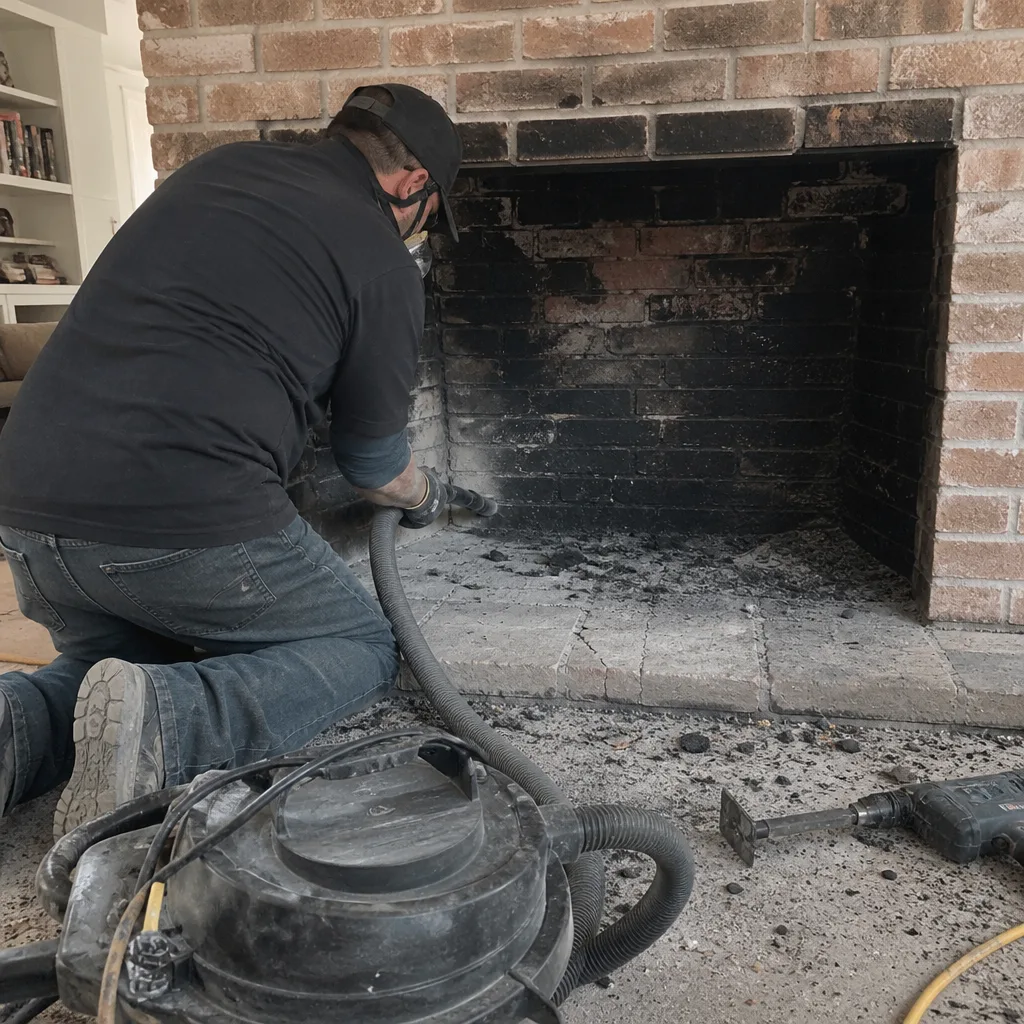 Before
 After
 Before
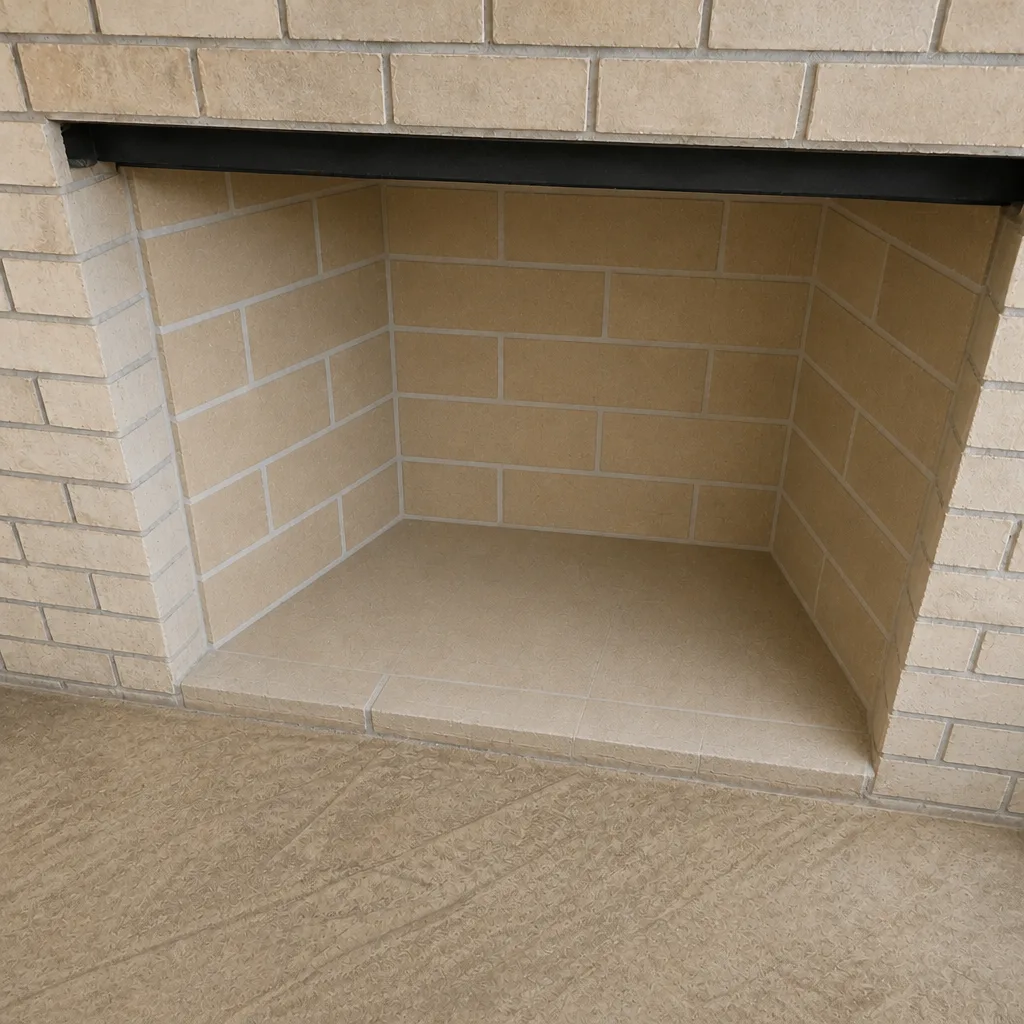 After
When to Call a Professional
Some work on a chimney is genuinely dangerous to attempt yourself, and the liner and flue are at the top of that list. If you’re seeing creosote buildup, a cracked liner, a damaged crown, or flashing that has pulled away, that’s a trained professional’s job, not a weekend project. A liner that fails is a fire and carbon monoxide risk, and the equipment to inspect and service it isn’t household equipment. The same goes for any chimney that has had a fire in it, any smell of smoke in the house when you’re not burning, and any visible damage to the masonry above the roofline. Those are signs to call, not signs to inspect from a ladder. Chimney Sweep Lake Stevens offers free estimates in Lake Stevens, so call (855) 550-7486 to book an inspection or a sweep and get a documented report of what’s actually going on inside the system.
Frequently Asked Questions
Cleaning prices vary by scope, so ask for the line items. A cleaning-only brush-through costs less than a sweep that includes a camera inspection and a written report, and the two aren’t comparable on price alone. Our flat-price sweep is agreed in writing before booking, and the estimate is free. Call (855) 550-7486 for an exact quote.
Not always, and a liner recommendation should come with camera evidence you can see. A liner is replaced when it’s cracked, gaping, or unlined to current standards, but plenty of chimneys are fine after a cleaning and inspection. We don’t recommend a liner without showing you what we found, and we’ll say plainly when work can safely wait. Call (855) 550-7486 to have your liner checked.
Once a year for a chimney in regular use is the standard advice in this climate. In Lake Stevens, with a wood fire running through the wet months, some homes benefit from a sweep before each heating season. If your firebox shows heavy creosote buildup, book sooner. Call (855) 550-7486 to book a sweep.
Creosote builds up in the flue, and thick creosote is the fuel that chimney fires burn. A failed liner or a blocked flue can also push carbon monoxide into the house instead of venting it outside. These aren’t hypothetical risks; they’re the reason annual cleaning exists. Call (855) 550-7486 to have your chimney checked.
Yes. A formal chimney inspection, usually a Level 2, gives you a written report with photos that a buyer or an insurer can rely on, and it can be booked on its own without a cleaning. That’s our standard for inspections in Lake Stevens. Call (855) 550-7486 to schedule one.
Professional-grade liner and repair systems, and named component brands rather than generic substitutes. We install DuraFlex flexible liners and HeatShield liner resurfacing and source components from Gelco, Olympia Chimney, Famco, and Copperfield because that’s what professionals specify. Ask any contractor what brand they use, and expect a name. Call (855) 550-7486 to talk through your system.
The Bottom Line
Hiring a chimney cleaning contractor in Lake Stevens comes down to verification over price. Confirm CSIA certification in the public directory, ask the three questions that reveal whether a crew is cleaning-only or full-system, and require a written inspection report with photos. Normalize scope before you compare quotes. Treat any pressure to approve repairs on the same visit as a reason to slow down and look at the evidence. A chimney is a system, and the liner, crown, cap, and flashing all work together. Hire someone who sees the whole system and documents what they find, and the cleaning price becomes the least important number in the conversation.
Call (855) 550-7486 for a free estimate. We answer 24/7. Fast dispatch from 7am to 7pm, Sunday through Friday.
Written by the team at Chimney Sweep Lake Stevens.