
Last updated November 25, 2026
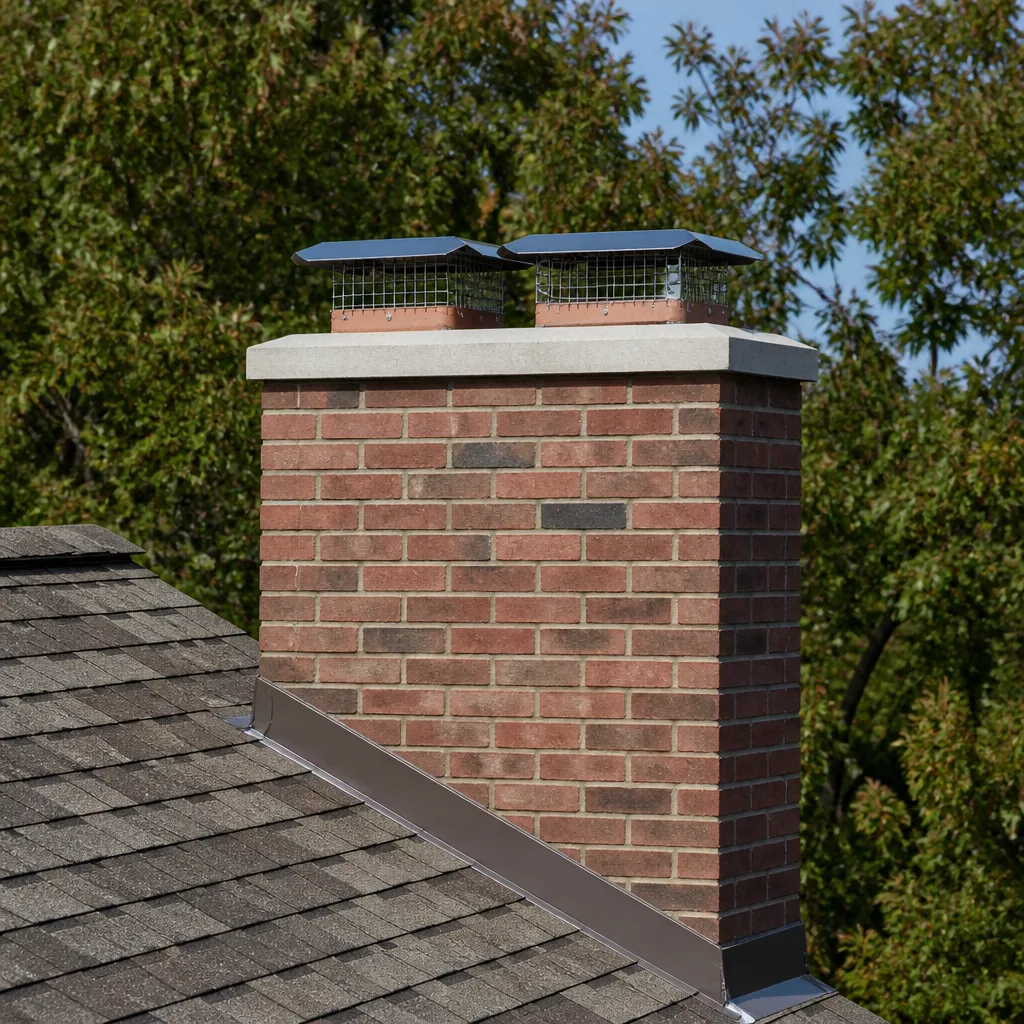
 Sweep & inspection
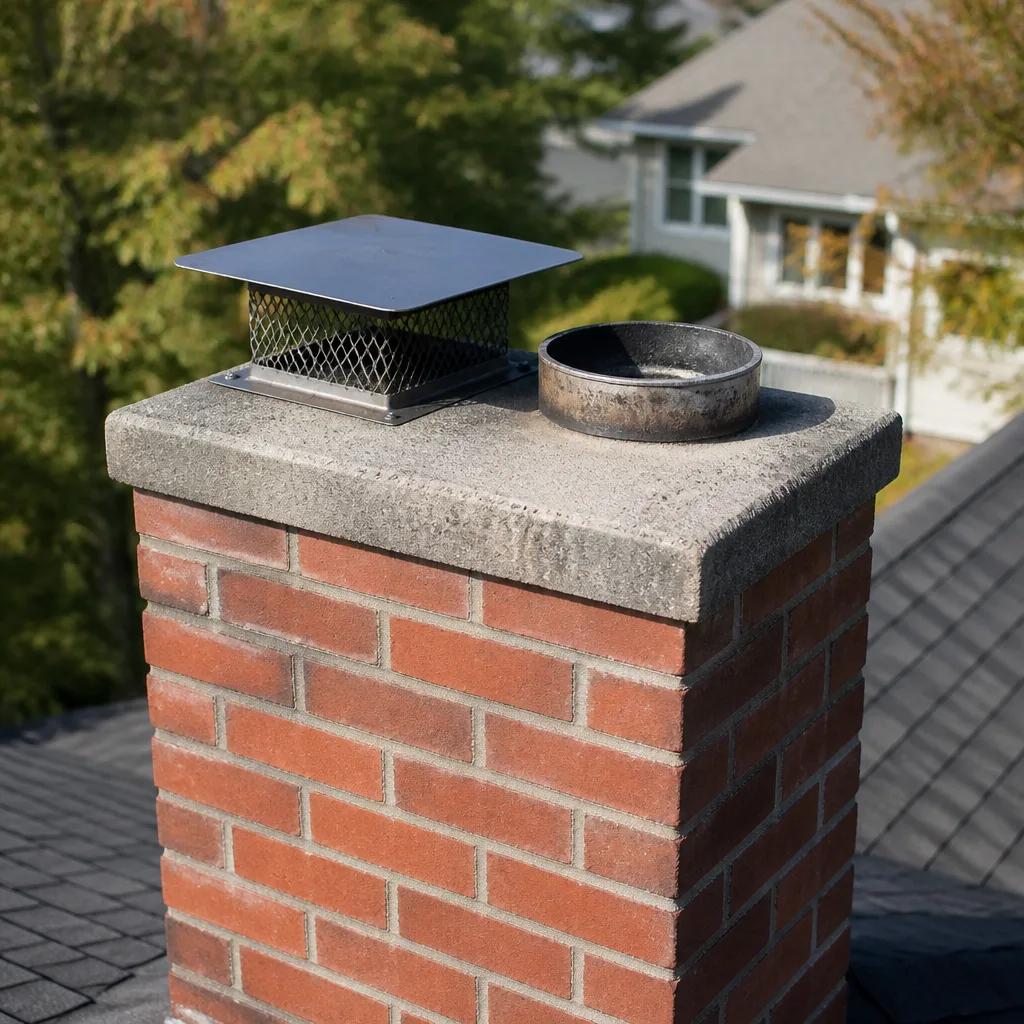
 Caps & crowns
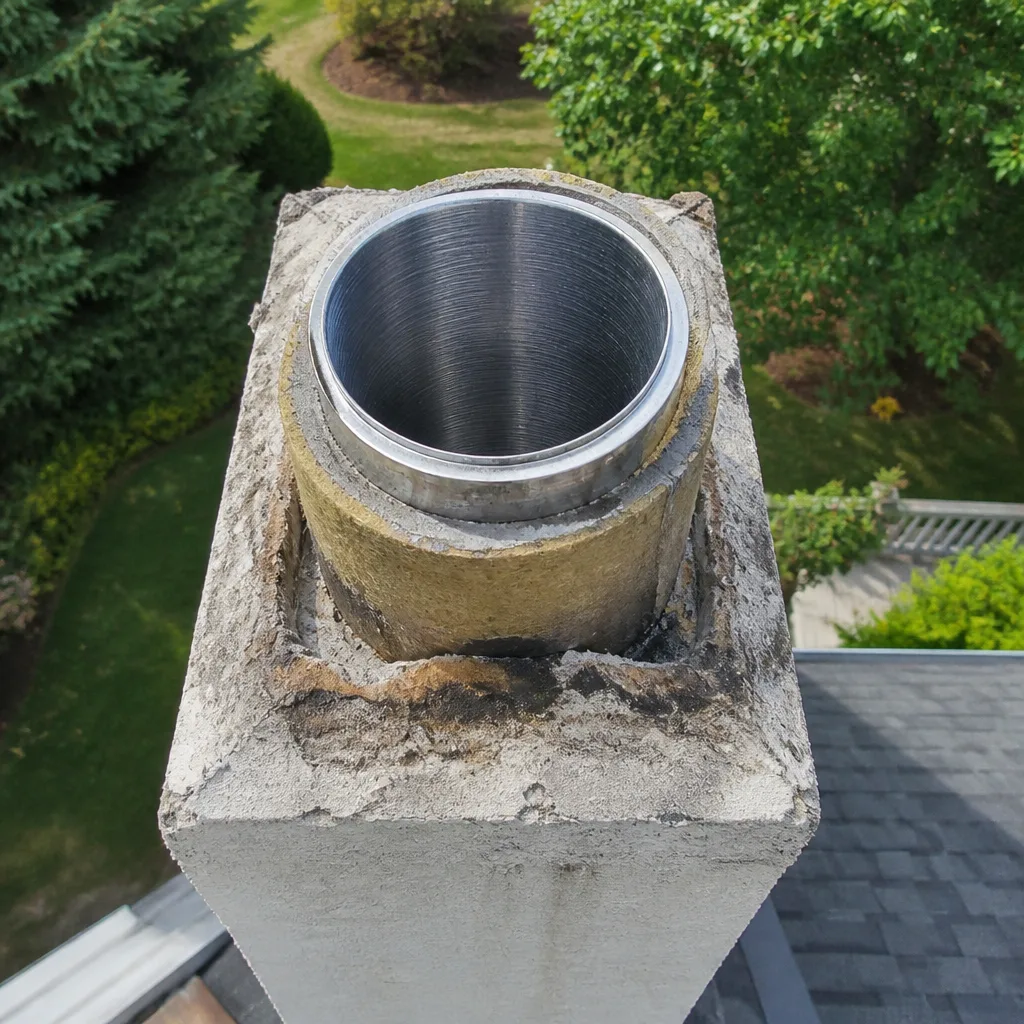 Flue relining
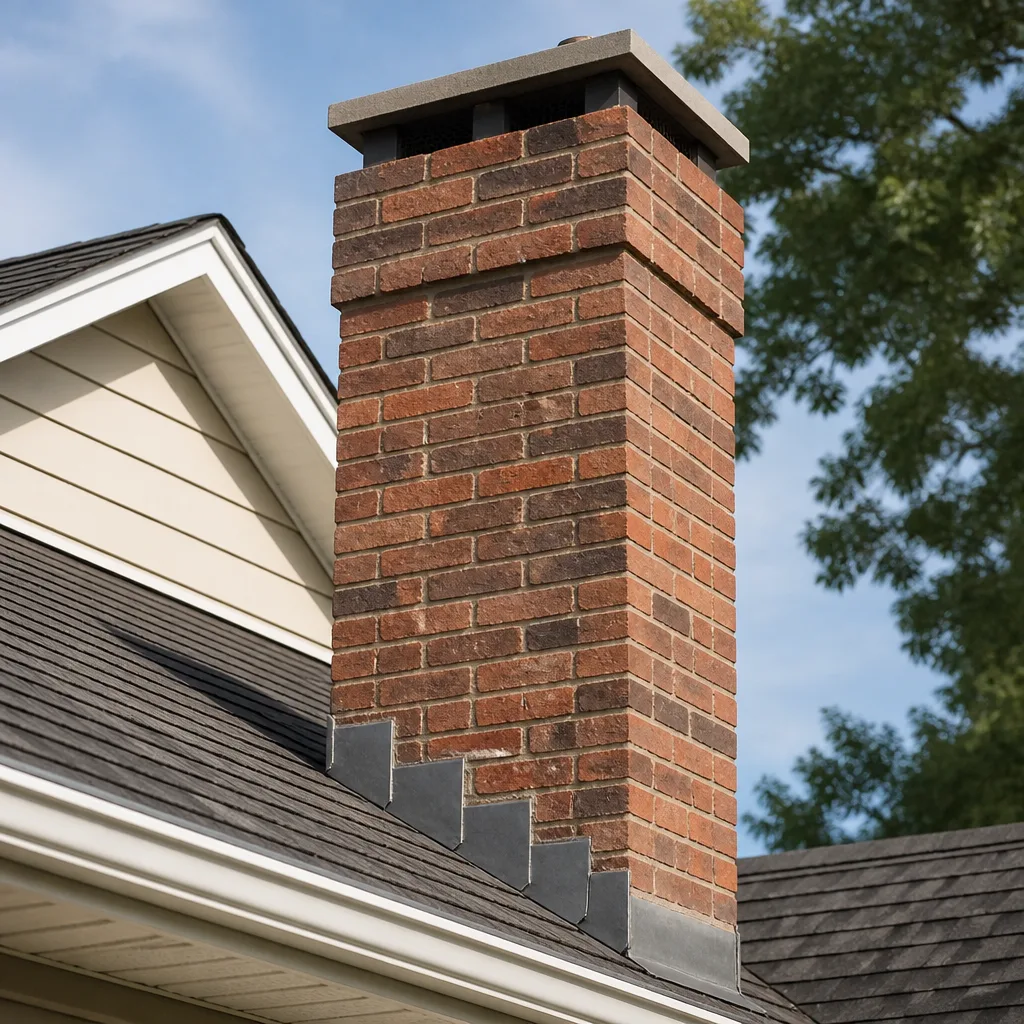 Masonry repair
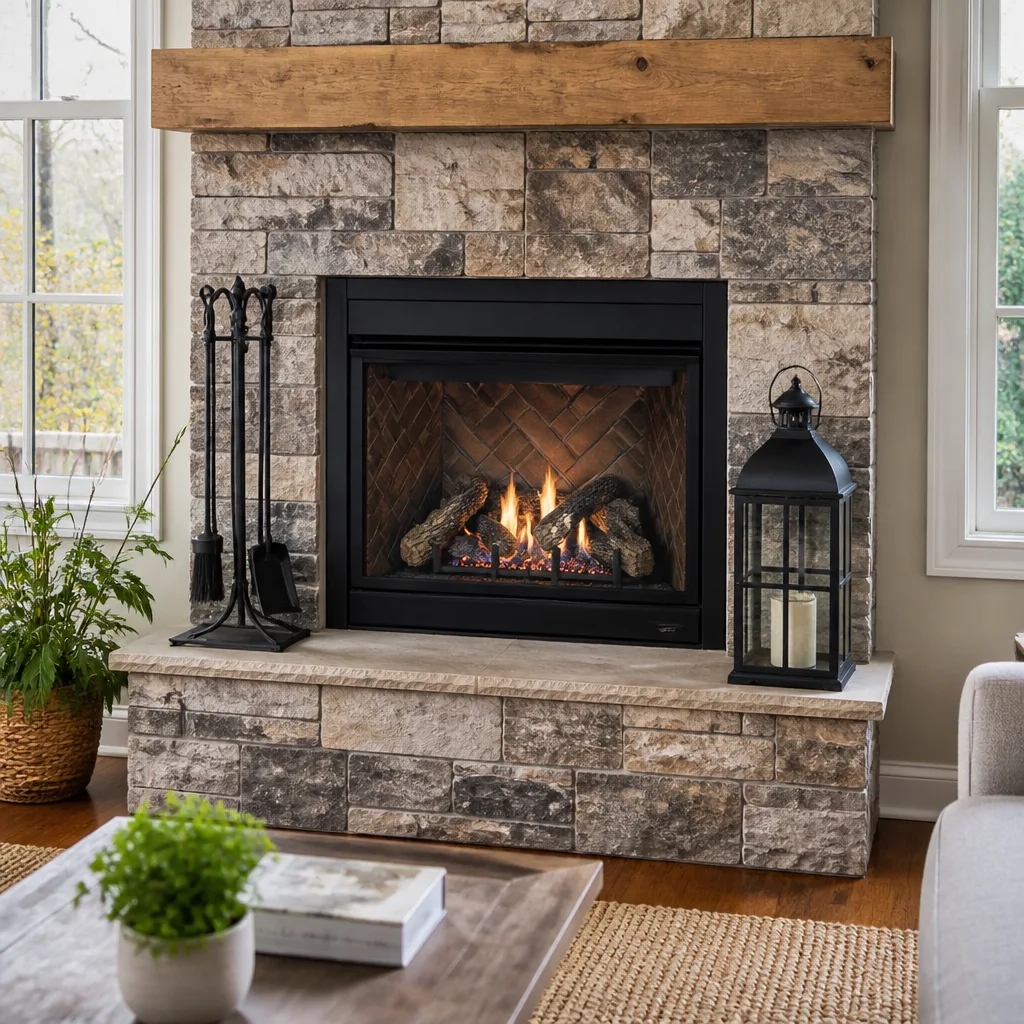 Gas fireplace service
Level 1 sweep and inspection to the NFPA 211 annual standard - flue, crown, cap, and flashing checked and photographed
Chimney sweep logs do not sweep chimneys. They loosen some creosote - which then falls where a brush and vacuum still have to collect it.
The Complete Guide to Chimney Cleaning in Lake Stevens
Most chimney fires don’t start because someone skipped a cleaning. They start because a cleaning happened and nobody looked at the liner behind the creosote. A flue gets brushed, the firebox gets vacuumed, the check gets written, and the cracked tile or corroded pipe two inches behind the brush line goes unmentioned. The sweep was “done.” The chimney still isn’t safe. That gap between cleaning a flue and understanding a chimney system is what this guide is about, and it’s a distinction that matters in Lake Stevens, where wet winters work on masonry in ways drier parts of the state never see.
Quick Answer
Chimney cleaning in Lake Stevens is a diagnostic process, not a single task. A proper visit includes sweeping the flue, then evaluating the firebox, smoke chamber, liner, cap, and crown, usually through a Level 2 inspection that documents what’s behind the creosote. How often you need it depends on fuel type and how hard the chimney works: wood-burning fireplaces generally need sweeping once a year or after a cord of wood, while gas and pellet systems follow different schedules and different tools entirely.
Styles & brands we work with
- Sweep & inspection
- Caps & crowns
- Flue relining
- Masonry repair
- Gas fireplace service
Table of Contents
- Why chimney cleaning in Lake Stevens is a system, not a task
- Creosote in a wet Pacific Northwest climate: why Lake Stevens is different
- Level 1, 2, and 3 inspections under NFPA 211 explained
- Wood, gas, and pellet: three systems, three cleaning protocols
- What a full-system sweep actually includes
- Red flags that mean structural repair comes before the next fire
- How to choose a chimney sweep in Lake Stevens
- How to know when your chimney is due
Why chimney cleaning in Lake Stevens is a system, not a task
A chimney isn’t a pipe. It’s an assembly of parts that have to work together. The firebox contains the fire. The smoke chamber funnels exhaust upward. The liner carries it safely past combustible framing. The cap keeps rain and animals out of the flue. The crown sheds water off the top of the masonry. Flashing seals the chimney to the roofline. When any one of those pieces fails, the whole system degrades, and the failure is often invisible from the living room.
This is why a cleaning that stops at the flue brush leaves risk on the table. The brush removes creosote from the walls of the flue, which is necessary. But the questions that actually determine whether your chimney is safe are different. Is the liner cracked? Is the smoke chamber parged and smooth, or rough enough that creosote cakes into it? Has the crown cracked and started letting water into the masonry? None of those answers come from brushing alone.
In our experience across Lake Stevens and the surrounding Snohomish County neighborhoods, the visits that turn up real problems are usually the routine ones, not the calls that come in after something goes wrong. A homeowner books a yearly sweep, and the sweep is where the failing crown or the spalled flue tile gets caught. Homeowners who treat cleaning as a system check tend to catch problems while the fix is still a repair rather than a rebuild.
A chimney is a connected system
We treat the liner, crown, cap, and flashing as one working assembly because that’s how water and fire actually interact with them. The cap protects the flue from rain. The crown protects the masonry below it. The flashing protects the roof. When the cap fails, water enters the flue and degrades the liner from the inside. When the crown cracks, water soaks the brick and shows up months later as spalling or efflorescence on the chimney face. Cleaning a flue without checking those protective parts is like changing the oil without looking at the tires.
That’s why our approach to chimney sweep work includes the cap, crown, and smoke chamber in the conversation, not just the flue. If a component needs attention, you hear about it with camera evidence rather than a sales pitch.
Creosote in a wet Pacific Northwest climate: why Lake Stevens is different
Creosote is the tar-like residue that wood smoke leaves inside a flue. It forms in stages, and the stage determines the risk. Stage 1 is light soot and flaky deposit that a standard brush removes. Stage 2 is a glazed, hardened layer that needs more aggressive tools. Stage 3 is a dense, tar-like coating that can fuel a chimney fire hot enough to damage the liner.
What makes Lake Stevens different from drier parts of Washington is how the climate interacts with burning. Our winters run wet and cool. Wood sits in a stack absorbing moisture from the air. When that wood burns, it releases more water vapor and more unburned tar into the flue than well-seasoned fuel would. The flue stays cooler in shoulder seasons and on damp days. That cooler flue temperature causes smoke to condense faster on the flue walls, which is exactly the chemistry that accelerates the jump from Stage 1 to Stage 2 creosote.
The result is that a Lake Stevens chimney can accumulate glazed Stage 2 deposit faster than a homeowner expects, sometimes within a single burning season if the wood is damp or the fire is often burned low and slow. We don’t say that to sell more sweeps. We say it so you stop judging your chimney by how often you’ve cleaned it and start judging it by what’s actually in the flue and on the liner.
What wet winters do to masonry
Masonry is porous. In Lake Stevens, the freeze-and-thaw cycle and months of rain work on chimneys that don’t shed water properly. A cracked crown, a missing cap, or failed flashing lets moisture into brick and mortar, which expands when it freezes and weakens the masonry over time. That’s why our cap and crown work is positioned as protection first. A cap and a sound crown keep heat in and water out, and they’re two of the most common reasons a chimney in this climate deteriorates in the first place.
Level 1, 2, and 3 inspections under NFPA 211 explained
NFPA 211 is the national standard that defines what a chimney inspection actually is. It breaks inspections into three levels, and knowing which level you need changes what the visit includes. Many homeowners have only ever had a Level 1 and assume that’s the ceiling. It isn’t.
Level 1: visual, accessible, routine
A Level 1 inspection is a visual check of readily accessible parts of the system: the firebox, the visible portion of the flue, the damper, and the exterior chimney above the roofline. No camera. No dismantling. It’s appropriate when your chimney hasn’t changed and you’re keeping up with yearly maintenance. It documents what the technician can see.
Level 2: camera, documentation, transactions
A Level 2 inspection includes everything in Level 1 plus a video scan of the entire flue with a chimney camera, plus checks of accessible attics, crawlspaces, and any connecting areas. It’s the level required after a chimney fire, after any change in fuel type or appliance, after an earthquake or significant event, or during a real estate transaction. It’s the inspection that shows you the inside of the liner and gives you a report you can keep on file.
Level 3: when structural access is required
A Level 3 inspection happens when a Level 1 or Level 2 identified a hidden problem that can’t be evaluated without opening up part of the chimney or building. That might mean removing a section of chimney breast or accessing concealed areas. It’s the least common level, but it comes up when a serious defect is suspected and needs to be confirmed before work can be planned.
Which level applies to you
- Routine yearly maintenance, no known problems: Level 1 is often enough, paired with a cleaning.
- You’ve had a chimney fire, changed fuel type, bought or sold the home, or notice new symptoms: Level 2 with camera documentation.
- A hidden defect is suspected and can’t be seen through the flue: Level 3.
We provide formal chimney inspections as a standalone service, which means you can book one for a real estate transaction or for your own records without attaching it to a cleaning. That matters if you’re buying a home in Lake Stevens and want documentation before you commit.
Wood, gas, and pellet: three systems, three cleaning protocols
The single biggest mistake homeowners make about cleaning schedules is assuming every fireplace works the same way. A wood-burning masonry fireplace, a gas insert, and a pellet stove produce different byproducts, need different tools, and fail in different ways. Treating them interchangeably leads to either unnecessary work or missed problems.
Wood-burning fireplaces and inserts
Wood produces creosote and soot. Cleaning a wood system means brushing the flue, vacuuming the firebox, addressing the smoke chamber, and evaluating the liner for cracks and gaps. Ashes and soot have to be removed to the correct depth so the firebox and damper can be inspected. This is the system that most needs a real annual evaluation in a wet climate, because it’s the one that generates the creosote.
Gas inserts and gas fireplaces
Gas doesn’t produce creosote, but it produces different issues: correct venting, the condition of the liner or vent pipe, and buildup from the burner. A gas system still needs cleaning and inspection. Birds and debris find gas flues as readily as wood flues. A gas insert that’s vented into an old masonry chimney needs a liner that’s designed for it, and the liner condition still has to be checked.
Pellet stoves
Pellet stoves run cleaner than wood, but they produce ash that builds up in the flue and vent depending on the fuel and the appliance. Cleaning a pellet system means brushing the vent and flue, checking the termination, and verifying the venting pathways are clear. Skipping a pellet cleaning doesn’t usually cause Stage 2 creosote; it causes restricted draft, which affects how the stove burns and can push exhaust where it shouldn’t go.
Why tools differ
Wood flues get stiff and flexible brushes sized to the flue. Gas systems get cleaned with different tools and a focus on the venting. Pellet venting has its own clearances and components. Using a wood flue brush on the wrong system, or skipping a component because the toolset wasn’t right, is one of the reasons a full-service specialist matters here. A single-service crew with a single tool does one job well and misses the rest of the system.
What a full-system sweep actually includes
A full-system sweep covers five parts of the chimney, not one. If a quote only mentions the flue, ask what else is included. This is the checklist we work from, and it’s the standard a homeowner should hold any chimney sweep in Lake Stevens to.
- Firebox: remove ash and soot, inspect for cracked firebrick and damaged mortar, check the damper for smooth operation.
- Smoke chamber: inspect for rough or unparged surfaces where creosote collects, and for gaps that allow smoke and heat to escape.
- Flue and liner: brush the flue to remove creosote, then scan the liner with a camera to check for cracks, gaps, and corrosion. This is the step the whole visit depends on.
- Chimney cap: check that the cap is intact, correctly sized, and keeping rain and animals out of the flue.
- Crown and flashing: check that the crown is sound and shedding water off the masonry, and that flashing is sealed to the roof.
The camera step is the difference
Anyone can brush a flue. The camera scan is what turns a cleaning into a diagnosis. It shows you the inside of the liner, and it lets us show you what we found rather than describing it. When the scan shows a cracked tile or a failed section of liner, we can point to it on screen. When it shows a sound liner, we can tell you the flue is fine and move on. That’s how a homeowner gets to trust the findings without having to take anyone’s word for it.
When a liner needs resurfacing rather than replacement, we use HeatShield, a resurfacing system that restores deteriorated clay flue tiles from the inside. When a liner needs to be relined, we work with DuraFlex flexible liner systems. Both are professional-grade products that aren’t sold at retail and aren’t carried by general handymen. We specify them because they’re what chimney professionals use.
For homeowners looking at a chimney repair, our chimney repair services handle masonry, crown, and liner work in one place. That single-contractor advantage keeps you from sourcing a mason, a sweep, and a liner installer separately.
Red flags that mean structural repair comes before the next fire
A cleaning visit reveals problems. Some can wait and some can’t. Knowing the difference keeps you from overreacting to a small fix and from burning in a fireplace that isn’t safe. Here are the findings we treat as stop-and-repair.
- Cracked or missing flue tiles. A gap in the liner lets heat and carbon monoxide reach the framing around the chimney. This is the defect that makes a Level 2 inspection essential, and it usually means the fireplace should stay out of service until it’s addressed.
- Corroded or separated liner sections. Metal liners can corrode where moisture has been present. A gap between sections is a pathway for exhaust into the home.
- Heavy glazed Stage 3 creosote. A tar-like coating that can’t be brushed off safely means the liner has been exposed to repeated high-creosote conditions. Sometimes it’s cleanable by a professional with the right tools; sometimes the liner needs resurfacing or replacement.
- A collapsed or badly cracked crown. A failing crown lets water into the masonry, and water is the long-term enemy of a Lake Stevens chimney. This is structural protection, and fixing it early keeps a rebuild off the table later.
- Spalling brick and crumbling mortar. Indicates ongoing water intrusion. It’s a masonry repair, and it usually points back to a cap, crown, or flashing failure.
- A missing or damaged cap. The cheapest repair on the list, and the one that prevents the most expensive damage.
When a liner needs resurfacing, we use HeatShield to restore it. When it needs replacement, we install DuraFlex. Caps and crowns come from brands like Gelco and Olympia Chimney, which are specified because they hold up to the weather a Lake Stevens chimney actually faces.
How to choose a chimney sweep in Lake Stevens
The best way to judge a chimney sweep is by what the visit includes, not by the price on the phone. A cheap sweep that brushes the flue and leaves is a missed diagnostic opportunity. Here’s what to ask before you book anywhere in Lake Stevens.
- Will you scan the liner with a camera and show me what you find? If the answer is no, the visit can’t tell you whether your chimney is safe.
- What does your sweep include beyond the flue? Listen for firebox, smoke chamber, cap, and crown.
- Do you provide inspections on their own? A sweep crew that only offers cleaning can’t give you the Level 2 documentation you may need for a real estate transaction.
- What brands do you install? Professional-grade components matter. Asking whether a company works with names like DuraFlex or HeatShield tells you whether they do liner work or just cleaning.
- Will anything be recommended without evidence I can see? Nothing should be recommended without camera evidence you can review. If a sweep tells you that you need thousands of dollars of liner or masonry work, they should be able to show you why.
- Will you tell me when work can safely wait? The right answer is sometimes “your chimney is fine” or “this can wait until next season.”
We’re a full-system chimney specialist, which means the same visit can cover cleaning, inspection, and any repair that comes up. That’s the advantage of not needing to call a second contractor to fix what the first one found.
How to know when your chimney is due
The old rule was a yearly sweep. The better rule is to schedule based on fuel type, usage, and what your sweep finds. Here’s a practical way to think about it for a Lake Stevens home.
- Wood-burning, used regularly: inspect and sweep yearly, and sooner if you burn more than a cord, notice reduced draft, or smell smoke in the house.
- Wood-burning, used occasionally: still inspect yearly. Creosote accumulates even with light use, and the camera scan is where problems get caught.
- Gas inserts: yearly inspection. Gas systems need their venting and liner checked even without creosote.
- Pellet stoves: follow the appliance’s maintenance schedule, and have the vent and flue evaluated yearly.
- After a chimney fire, a fuel change, or major work on the home: a Level 2 inspection before the next fire.
- Buying or selling a home in Lake Stevens: a formal Level 2 inspection gives you documentation you can file.
Booking before the burning season starts is the practical move in this climate. It gets the chimney ready for the winter, and it means problems are identified while there’s still time to fix them without a rush.
Common Mistakes to Avoid
- Treating a sweep as a brush-and-go. A flue brushing without a liner scan leaves the most important question unanswered. Insist on the camera step.
- Burning wet wood in a wet climate. In Lake Stevens, wood stored uncovered in the rain burns cooler and produces more creosote. Seasoned, covered wood matters more here than in drier places.
- Ignoring the cap and crown. These are the most common causes of water damage we see on chimneys here, and they’re also the cheapest to fix. Skipping them is how a five-year problem becomes a rebuild.
- Assuming gas and pellet systems skip cleaning. Neither produces creosote like wood, but both still need their venting and components checked. Skipping the visit is how restricted draft and hidden vent problems get missed.
- Booking a single-service crew for a system job. Cleaning, inspection, masonry repair, and liner work involve different skills. A company that does one of those well may not do the rest, and that means calling a second contractor.
- Accepting a big repair without seeing the evidence. If a sweep tells you that you need liner or masonry work, the camera scan should show you exactly where. If it doesn’t, ask for it.
- Waiting for a problem to announce itself. Smoke smell in the house, a fire that’s harder to start, a stain on the chimney face, or a damper that sticks all point to issues worth checking before the next fire.
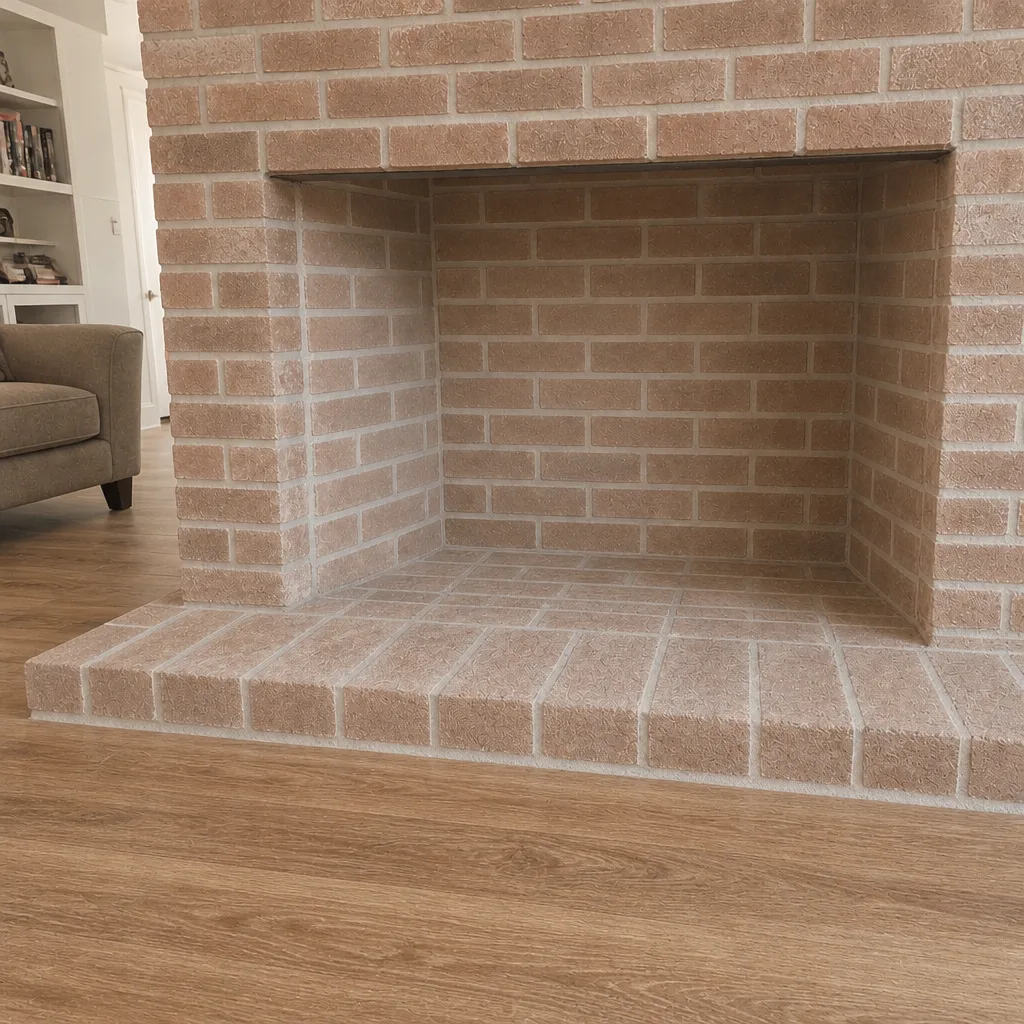
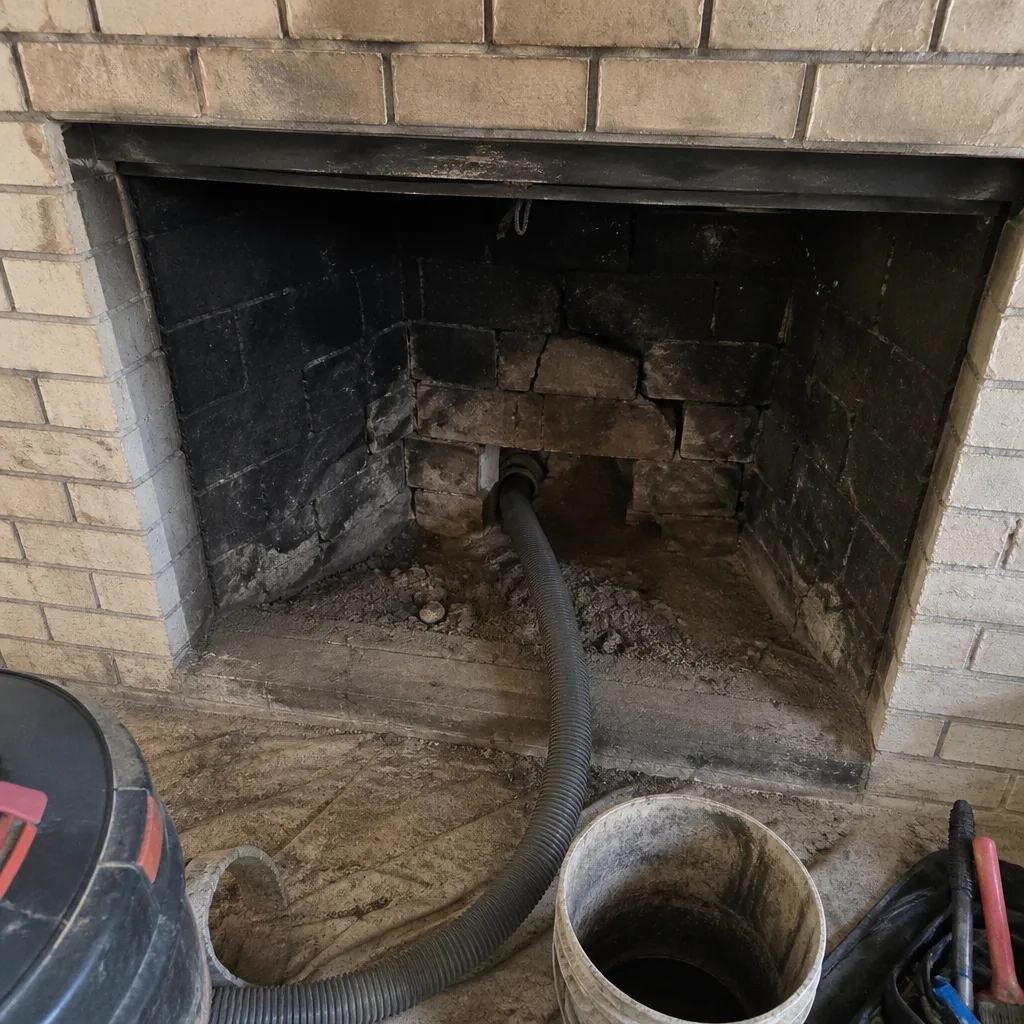
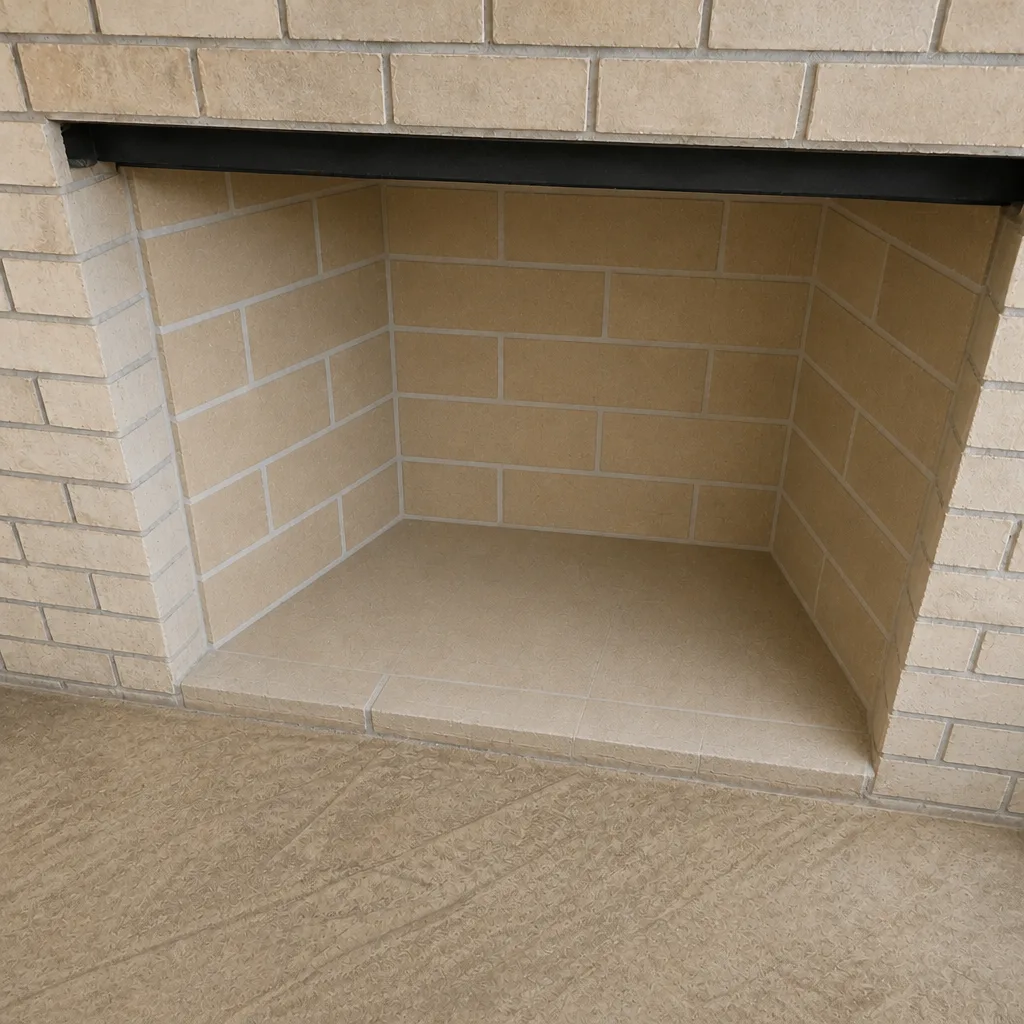
See the difference
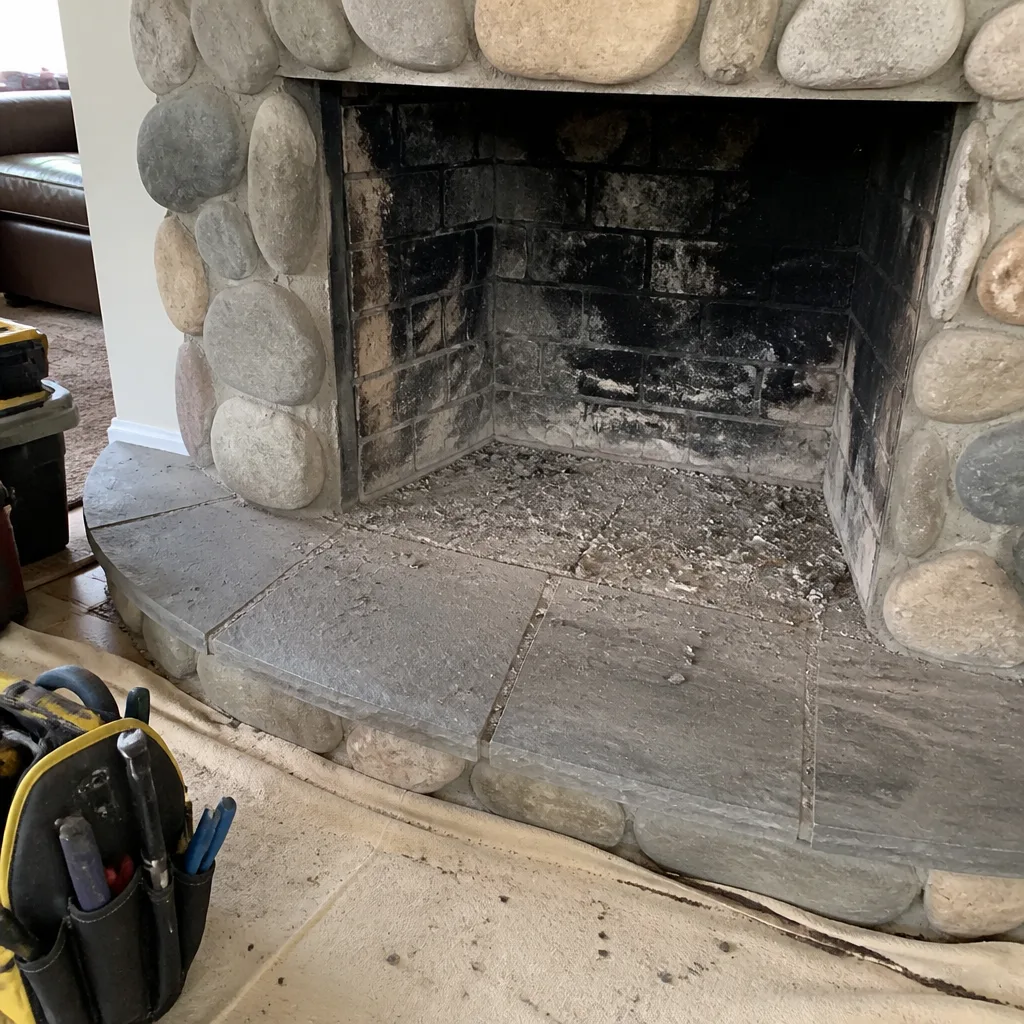 Before
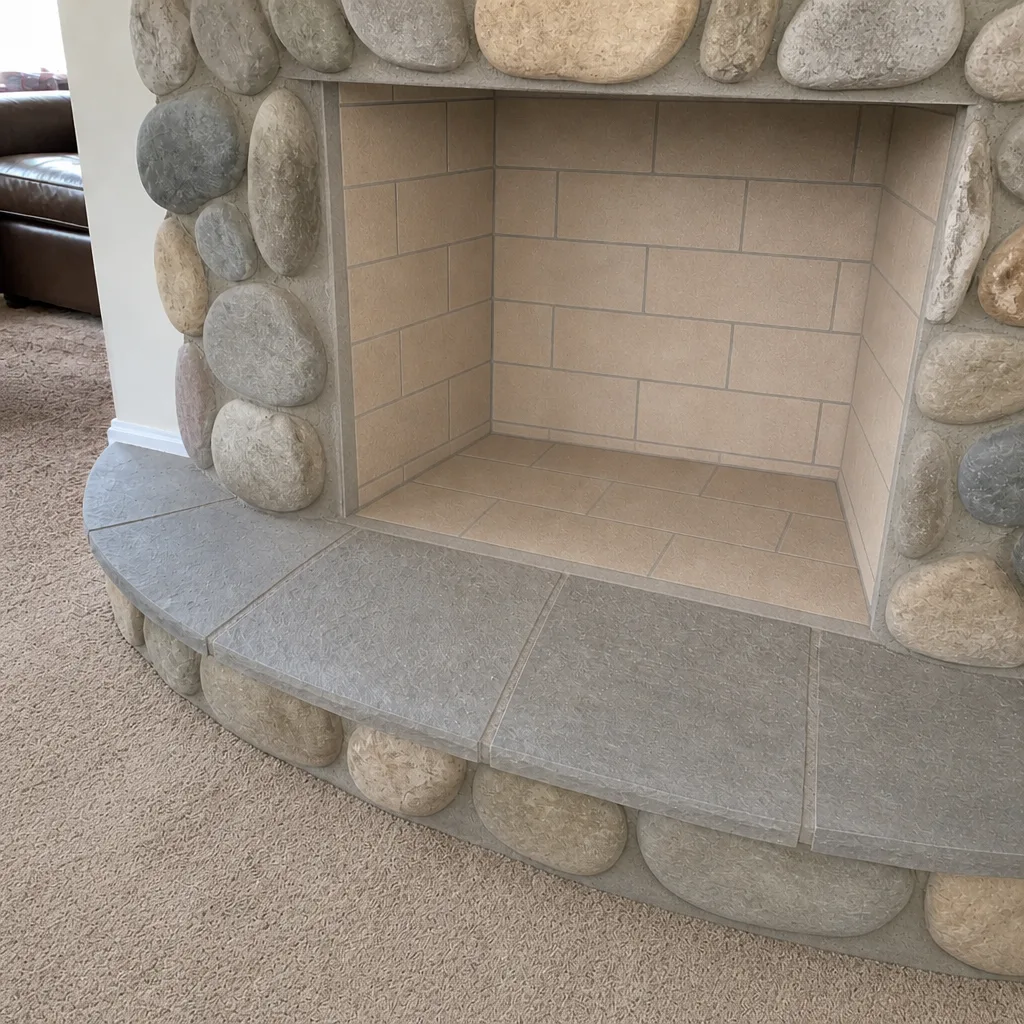 After
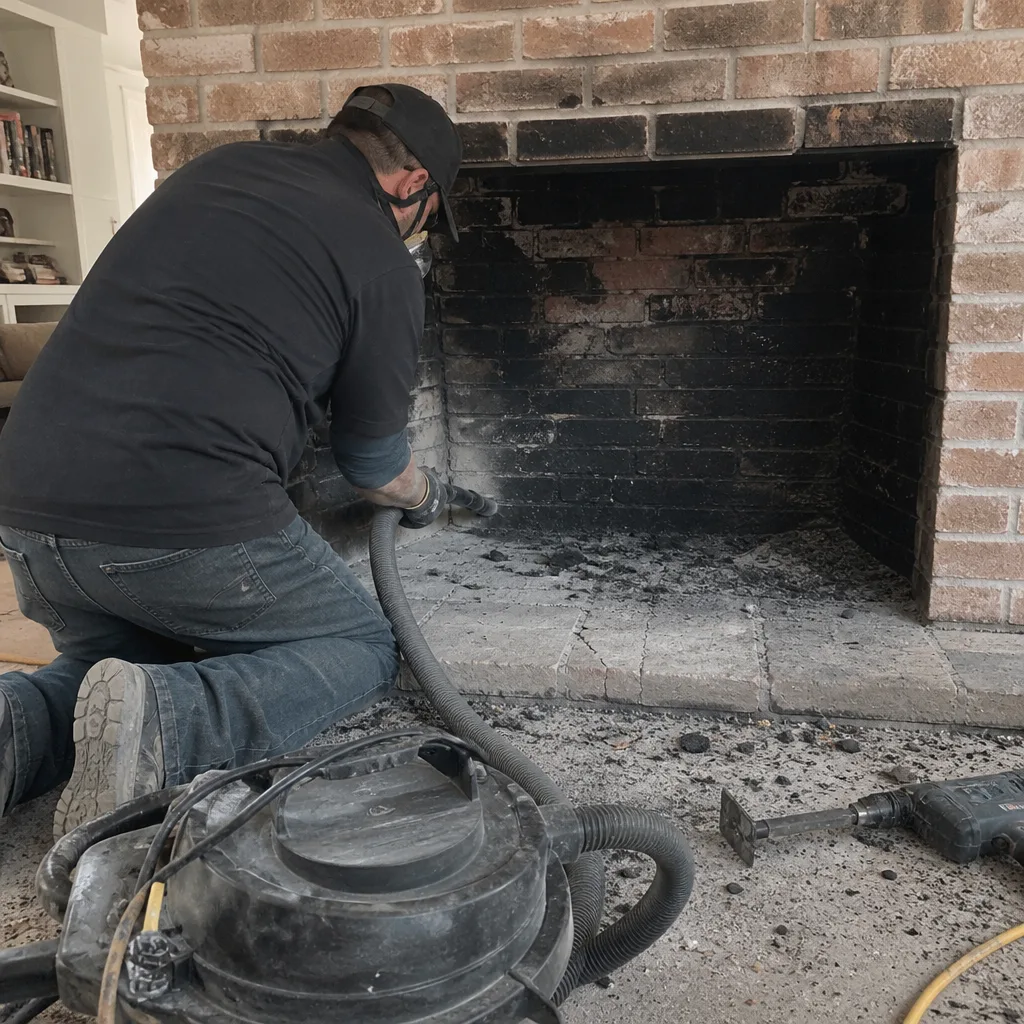 Before
 After
 Before
 After
When to Call a Professional
Call a professional if you’ve never had a Level 2 inspection, if it’s been more than a year since a wood-burning chimney was swept, or if you’ve noticed any change in how the fireplace behaves. Smoke backing into the room, a stronger fire smell, staining on the chimney exterior, a sticking damper, or anything that looks like crumbling mortar all justify a visit. Buying or selling a Lake Stevens home with a fireplace is another clear reason, because a Level 2 inspection with documentation is the tool that answers the buyer’s questions. Chimney Sweep Lake Stevens offers free estimates in Lake Stevens – call (855) 550-7486.
Frequently Asked Questions
A chimney sweep is priced per job by a written estimate, because the cost depends on what the visit involves: a simple wood flue sweep is a different job from a full-system sweep with a camera scan and any repair that turns up. We don’t quote a fixed price by phone because we can’t see the chimney from the truck. We give a flat price for the sweep and agree it before we book, and the estimate for any repair work is set in writing. Call (855) 550-7486 for an exact quote – estimates are free.
Wood-burning chimneys should be inspected and swept about once a year, and sooner if you burn more than a cord of wood or notice reduced draft or smoke smell in the home. Gas and pellet systems also need a yearly inspection even though they don’t produce much creosote. In our wet climate, the annual inspection matters because it’s where failing caps, crowns, and liner cracks get caught. Call (855) 550-7486 to schedule yours.
A Level 1 inspection is a visual check of readily accessible components with no camera and no dismantling, while a Level 2 inspection adds a video scan of the entire flue and checks of accessible attics and connecting areas. Level 2 is the level required after a chimney fire, after a fuel change, or during a real estate transaction, and it’s the inspection that documents liner condition. We provide inspections as a standalone service if you need documentation for a home sale or your own records. Call (855) 550-7486 to book an inspection.
Sometimes a liner can be resurfaced instead of replaced, and sometimes a cracked or corroded liner has to be relined. The answer comes from the camera scan, and nothing should be recommended without evidence you can see. When resurfacing is the right call, we use HeatShield to restore the deteriorated clay tiles from the inside. When a full reline is needed, we work with DuraFlex flexible liner systems. Call (855) 550-7486 and we’ll show you what the scan found before anything is booked.
Creosote builds inside the flue, and at Stage 2 or Stage 3 it can fuel a chimney fire hot enough to damage the liner. A skipped cleaning also means a skipped inspection, which is how cracked liners and failing crowns go unnoticed until the damage is larger and more expensive. The risk is real, but it’s also addressable, and a sweep combined with a camera scan is what catches it. Call (855) 550-7486 before the burning season starts.
Yes. We provide formal chimney inspections as a standalone service, which makes them a good fit for a real estate transaction, and the report gives you documented evidence you can keep on file. A Level 2 inspection before purchase shows you the liner condition and any repair the chimney needs, so you’re not discovering it after closing. Call (855) 550-7486 to schedule an inspection.
The Bottom Line
Chimney cleaning in Lake Stevens is a diagnostic process, and the cleaning itself is the entry point. What makes a chimney safe is what happens after the brush: the camera scan that shows the liner, the checks on the smoke chamber, cap, crown, and flashing, and the honest conversation about what can wait and what can’t. In a wet climate, the protective parts of the system matter as much as the flue, and problems found early are repairs rather than rebuilds. A full-system sweep covers all five parts. A full-service specialist covers cleaning, inspection, and repair in one call. Our technicians have up to 15 years of experience, and we use professional-grade systems like DuraFlex and HeatShield because they’re what chimney professionals specify.
If you’re not sure when your chimney was last looked at, or you’ve noticed a change in how your fireplace behaves, the visit that answers the question starts with a call. We can work through the sweep, the inspection, and any fireplace repair your firebox needs as part of the same system assessment. One call covers it.
Contact
Ready to schedule a chimney cleaning, inspection, or repair in Lake Stevens? Call (855) 550-7486 for a free estimate. We answer 24/7. Fast dispatch from 7am to 7pm, Sunday through Friday. Whether you’re booking a yearly sweep, getting a Level 2 inspection before a home sale, or checking on a cap and crown that have seen a few too many wet seasons, we’ll give you the evidence and a flat price before we start. Visit our Chimney Sweep Lake Stevens page to see what a full-system visit includes.
Written by the team at Chimney Sweep Lake Stevens.