
Last updated November 25, 2026
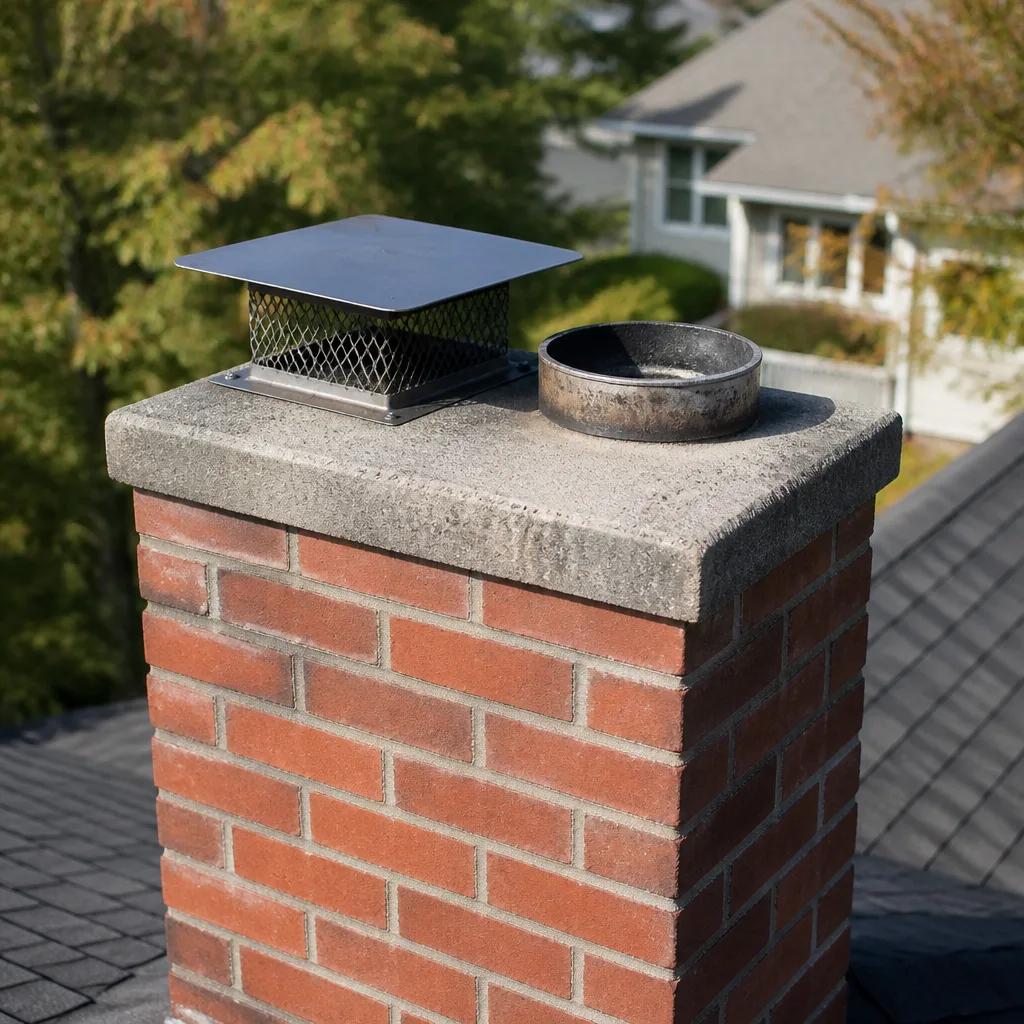 Sweep & inspection
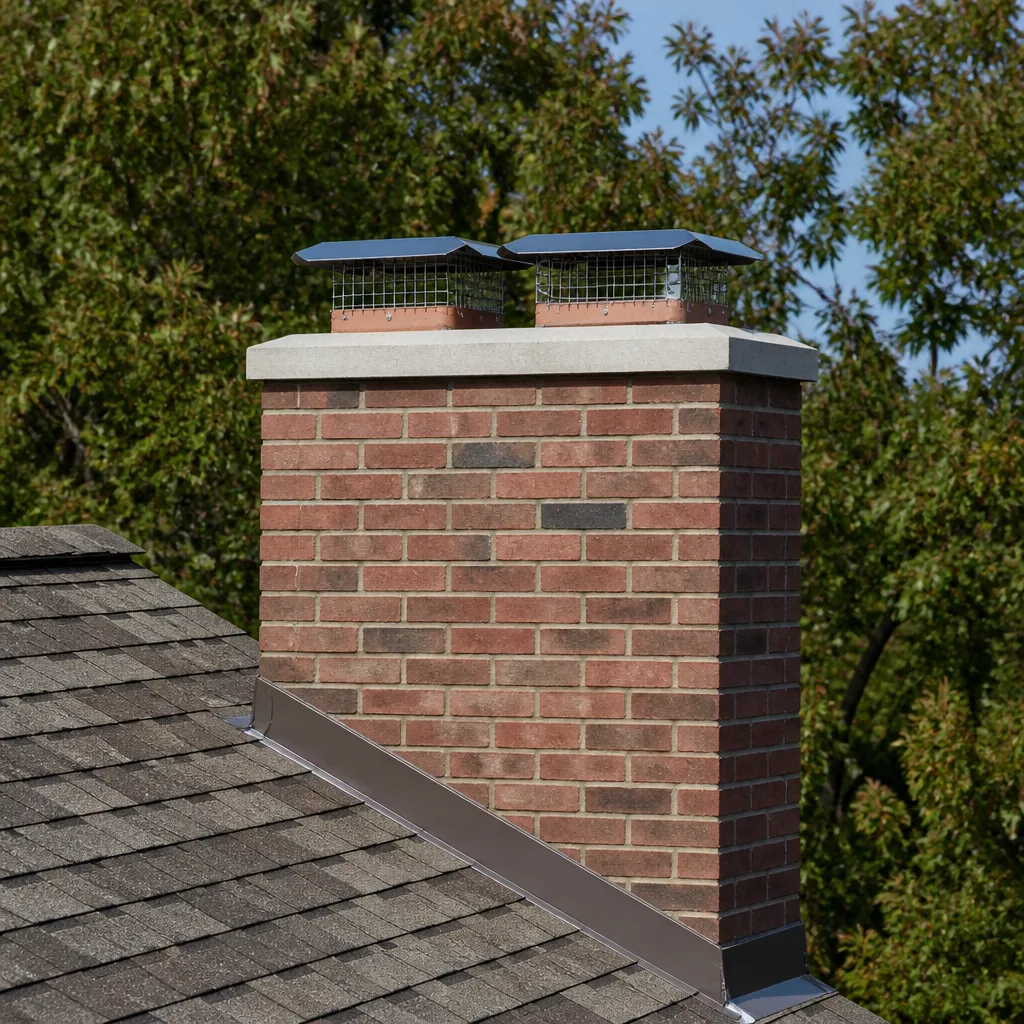 Caps & crowns
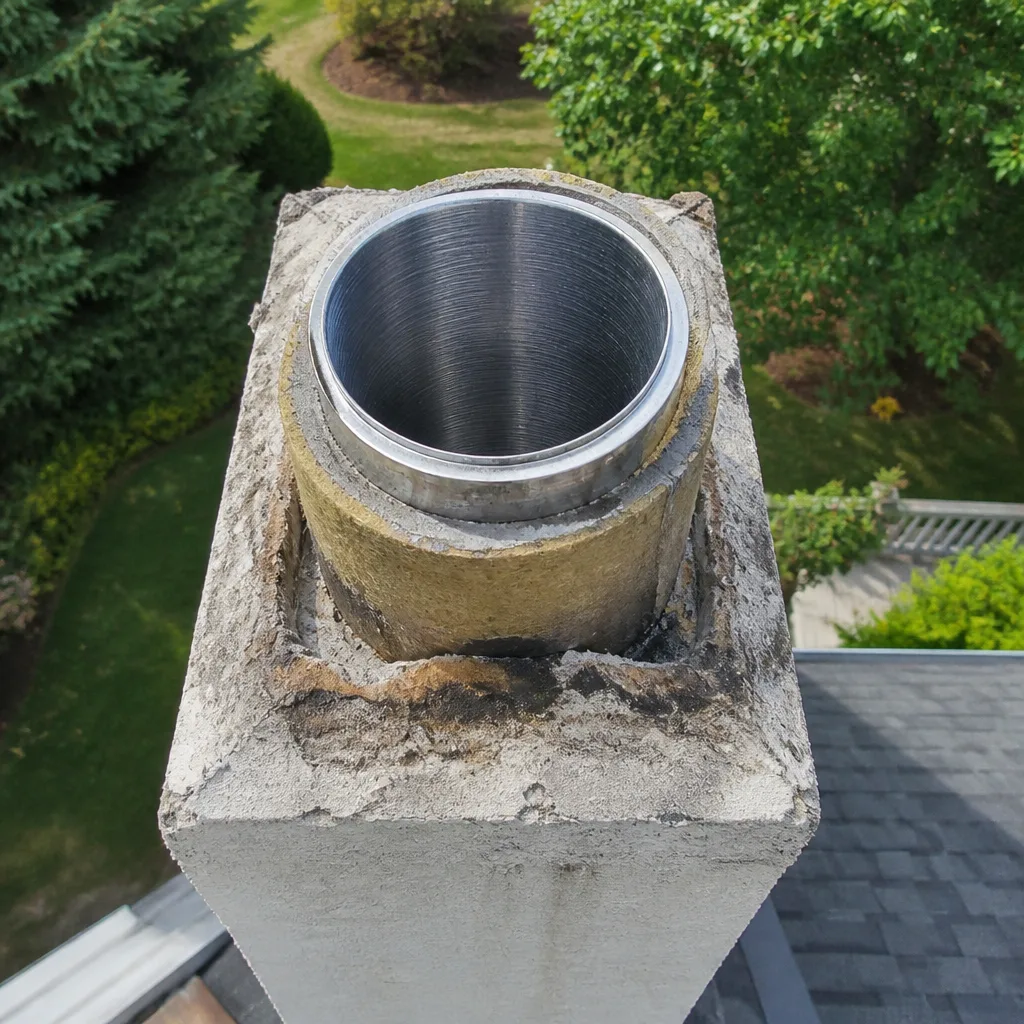 Flue relining
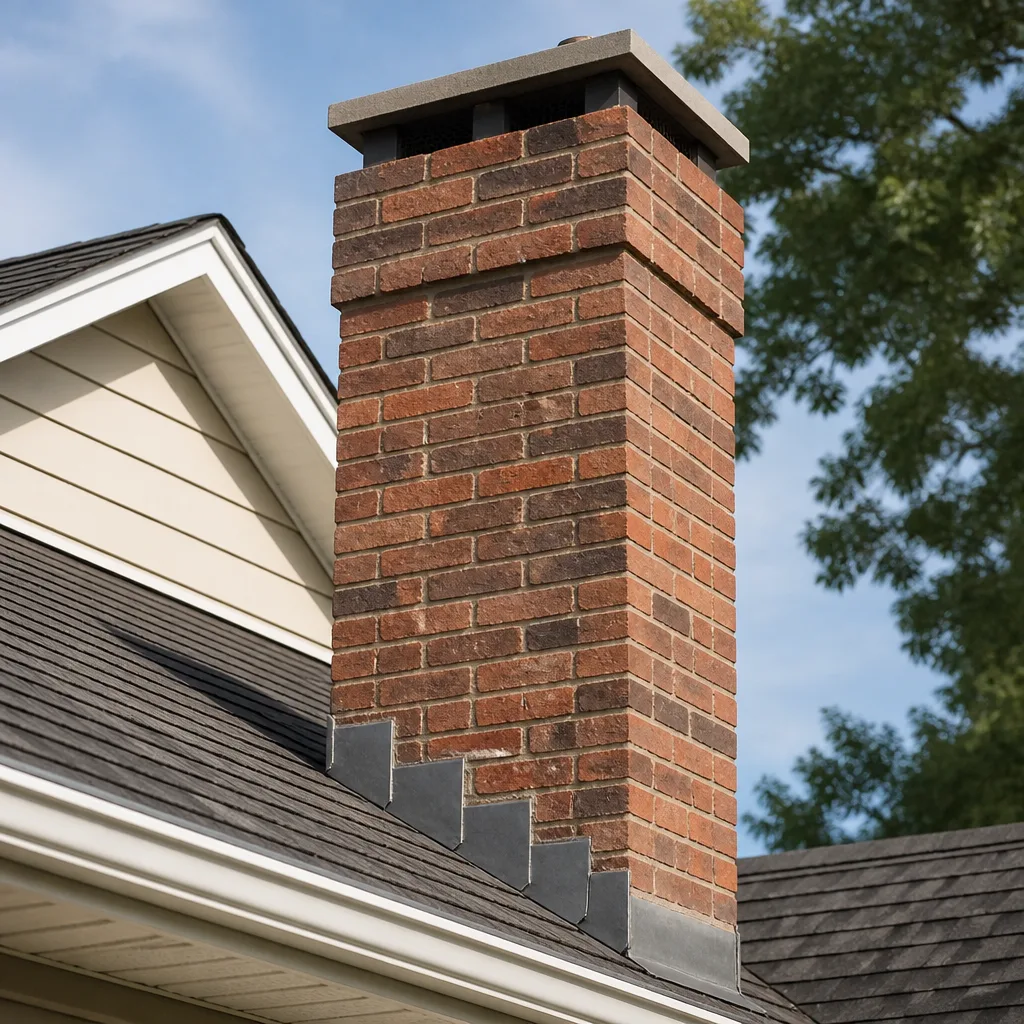 Masonry repair
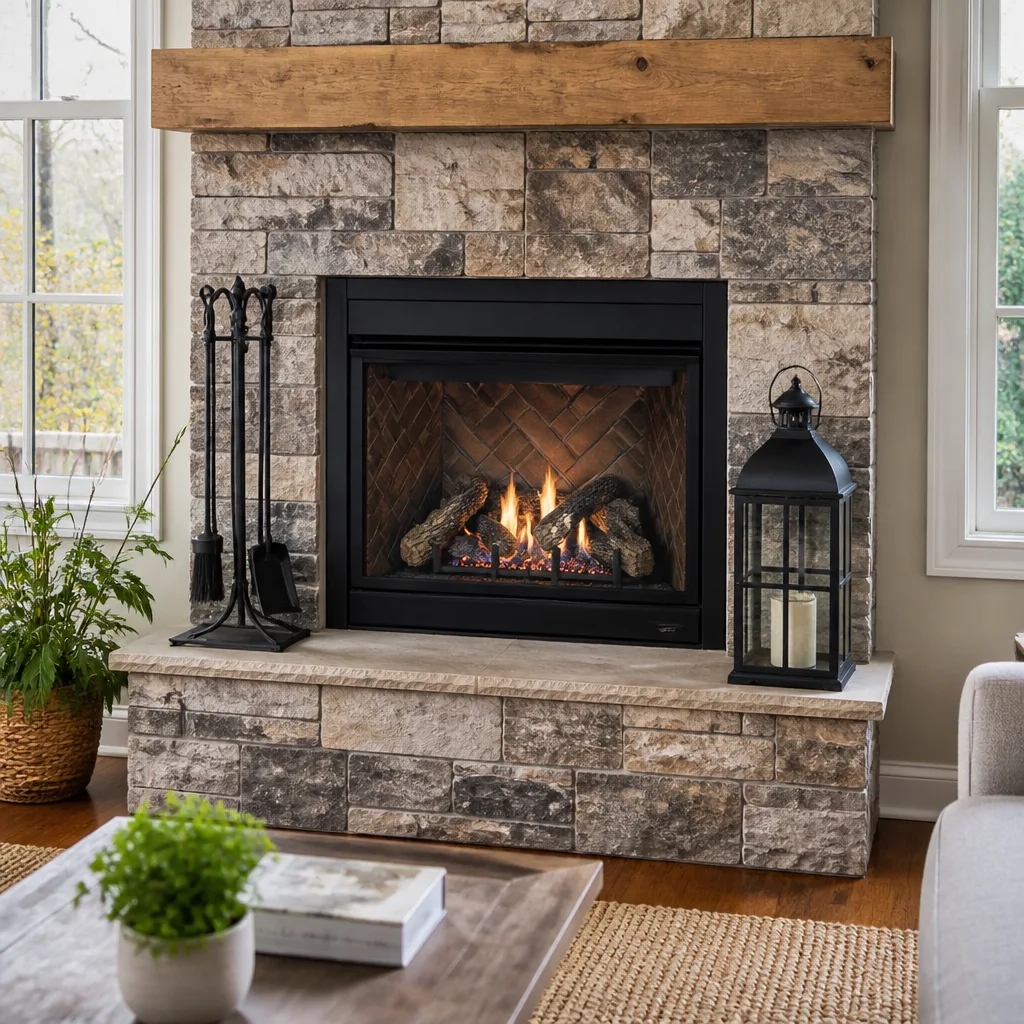 Gas fireplace service
Level 1 sweep and inspection to the NFPA 211 annual standard - flue, crown, cap, and flashing checked and photographed
Chimney sweep logs do not sweep chimneys. They loosen some creosote - which then falls where a brush and vacuum still have to collect it.
DIY vs Professional Chimney Cleaning: The Lake Stevens Homeowner’s Decision Guide
You can physically clean a chimney flue with rods and a brush. What you can’t do without a camera and training is tell the difference between a hairline liner crack and a compromised liner, and that distinction is the part that actually matters. The DIY chimney cleaning debate isn’t really about skill. It’s about what you can’t see. In a Lake Stevens home with a clay tile liner and years of Pacific Northwest moisture exposure, the risk isn’t the cleaning itself, it’s missing what the cleaning reveals. This guide walks through exactly which tasks are within a competent homeowner’s reach, which require equipment most people don’t own, and how the math actually works out at Lake Stevens market rates.
Quick Answer
You can do a basic surface-level flue cleaning yourself if your chimney is straight, sound, and you’re only dealing with light soot from a few fires a season. For anything beyond that, and especially for the annual safety evaluation, you’re looking at professional work: the liner assessment, crown and cap condition, and the camera evidence behind every recommendation need equipment and training that a homeowner simply can’t replicate with a hardware-store brush. In Lake Stevens, where wet winters push a lot of moisture into masonry and clay tile systems, that evaluation is where most of the real value lives.
Styles & brands we work with
- Sweep & inspection
- Caps & crowns
- Flue relining
- Masonry repair
- Gas fireplace service
Table of Contents
- What DIY Chimney Cleaning Actually Covers
- The Equipment Gap: What Most Homeowners Don’t Own
- Liner Failure Patterns Common in Western Washington
- The True Cost of DIY vs Professional Cleaning in Lake Stevens
- What a Professional Actually Does During a Cleaning
- When DIY Creates a Liability
- A Step-by-Step Decision Framework
- Common Mistakes to Avoid
What DIY Chimney Cleaning Actually Covers
A chimney cleaning at its most basic is the removal of soot, creosote, and debris from the flue. That’s a physical task. With a flue brush sized correctly to your flue interior, extension rods, a drop cloth, and a shop vacuum with a fine-particle filter, a careful homeowner can run a brush down a straight flue and work it back up. That’s genuinely within reach for some systems.
What that covers:
- Light soot removal from a straight flue after a season of normal wood burning.
- Surface brushing of accessible firebox walls and the smoke shelf area.
- Ash removal from the firebox floor and the cleanout door, if you have one.
- Clearing a visible bird nest or leaf debris from the top opening, if you can safely reach the roof.
What it doesn’t cover:
- Stage 3 creosote, the hard, glazed, tar-like deposit that a poly brush skips over. It requires rotary equipment and, in some cases, chemical treatment.
- Offsets and bends in the flue. A straight brush will not fully clean a flue with a 30-degree offset, and many Lake Stevens homes built in the 1970s and 1980s have one.
- Liner inspection at any meaningful depth. You’re brushing, not evaluating.
- Crown, cap, flashing, and masonry inspection from the roof, which is where water intrusion almost always starts.
The honest answer is that DIY cleaning is a surface task. It is not a chimney evaluation, and no responsible homeowner should treat it as one. If you want to understand what’s happening inside the system rather than just knock the soot down, a professional chimney sweep is doing something materially different.
The Equipment Gap: What Most Homeowners Don’t Own
The single biggest practical difference between DIY and professional isn’t skill. It’s the tooling. A homeowner can buy a brush. What they can’t reasonably buy, or store, is the rest of it. Here’s the gap in plain terms:
- A camera system on a flexible rod that reaches the full flue length and records what it sees. This is the piece that turns a cleaning into a diagnosis.
- Rotary cleaning heads for glazed creosote, which attach to a drill or a dedicated rotary tool and pull the hard deposits off without damaging the clay tile.
- A professional HEPA vacuum rated for fine soot particles. A shop vac with a fine filter helps but doesn’t seal the dust the way a purpose-built unit does, and soot dust in a home is a genuine indoor-air problem.
- Roof-safe access: a properly rated ladder, a harness, and the training to work on a pitched Lake Stevens roof in wet weather. Many local roofs are steeper than they look from the ground.
- Drop cloths, tarps, and a containment setup that keeps the living room clean while the flue is being worked.
If you add up even a mid-grade version of that kit, you’re looking at a real investment. And you’d use it once a year. The math gets worse when you realize the camera is the piece that actually tells you whether the system is safe, and it’s the piece most people never buy.
This is why we work with professional equipment in every sweep. Our technicians have up to 15 years of experience, and a lot of that experience is learning what a camera reveals that the naked eye from the firebox cannot.
Liner Failure Patterns Common in Western Washington
Here’s the part of the conversation that changes the DIY calculation. Western Washington doesn’t get the deep freeze-thaw cycle of the Northeast or Midwest, but it does get something equally hard on chimneys: sustained wet. Rain for months, high humidity between storms, and mornings where a chimney is cold and damp on the inside while a fire is warming it. That combination drives specific liner failure patterns.
Clay tile spalling from the inside. Moisture gets into the clay tiles through the top or through cracks in the crown. It freezes during the occasional cold snap, expands, and flakes the inner face of the tile. From the firebox, this looks fine. From a camera forty feet up, the tile face is pitted and starting to break down.
Mortar joint erosion between tiles. Clay tile liners are stacked and joined with refractory mortar. Over time, condensate from flue gases and moisture from the top of the chimney attack those joints. The joints recede. The liner still holds together visually, but the gaps let heat and flue gases reach the surrounding masonry.
Cracks at offsets and at the top. Cracks tend to form right where the flue bends and right at the top of the chimney where the liner is exposed to weather. Neither is visible from the firebox.
Undersized liners on upgraded appliances. An older tile liner sized for a standard fireplace can be too large for a modern insert or wood stove. That mismatch shows up as heavy creosote and poor draft, and it’s only diagnosable with the flue measured and inspected properly.
None of these four patterns is visible from the ground or from the firebox. That’s the entire argument for professional evaluation, and it holds whether your system is brick and clay tile or something newer. If a liner does need restoring, we work with HeatShield resurfacing and DuraFlex flexible liners, which are professional systems not available at retail because they require proper sizing and installation to work. A homeowner shouldn’t attempt either.
The True Cost of DIY vs Professional Cleaning in Lake Stevens
The DIY math looks cheap until you include everything. Here’s how the two paths compare on the real numbers, using Lake Stevens market rates for the professional side and typical retail costs for the DIY side. A standard professional chimney sweep in Lake Stevens typically runs $180 to $320 depending on the flue length, roof access, and creosote load. A Level 2 inspection with camera runs more, and we quote it in writing before any work starts.
| Cost Item | DIY | Professional |
|---|---|---|
| Flue brush + rods | $40 – $130 | Included |
| HEPA vacuum (if you don’t own one) | $150 – $350 | Included |
| Drop cloths and containment | $25 – $60 | Included |
| Rotary head for glazed creosote | $80 – $200 (rarely bought) | Included |
| Camera inspection | Not available | Included in Level 2 |
| Roof access and safety gear | $100 – $300 | Included |
| Disposal of soot and debris | Your time, your bags | Included |
| Time (first year, learning curve) | 3 – 5 hours | 1 – 2 hours |
| Time (subsequent years) | 2 – 3 hours | 1 – 2 hours |
| Typical sweep cost | $300 – $1,000+ first year | $180 – $320 per visit |
Read that table honestly and the picture changes. A homeowner who buys everything once spends roughly what three or four professional sweeps would cost, and still can’t do the camera inspection. Most Lake Stevens homeowners who try DIY end up buying a brush and a shop vac and skipping the rest, which means the first cleanup is a partial one.
There’s also a hidden line item nobody puts in the DIY column: the cracked tile you didn’t find. A liner that’s been quietly degrading for two or three seasons tends to cost more to fix than one caught early. That’s the case for at least an inspection every year or two even if you do the brushing yourself. Call Chimney Sweep Lake Stevens if you want a free estimate on a professional sweep or an inspection quote; the written estimate sets the final price.
What a Professional Actually Does During a Cleaning
The word “cleaning” undersells the job. A professional sweep is a cleaning plus a system evaluation, and the evaluation is where most of the value lives. Here’s what actually happens on a proper visit, step by step:
- Lay containment. Drop cloths and a HEPA vacuum are set up before any brushing happens, so soot stays out of your home.
- Inspect the firebox, damper, and smoke shelf. Any obstruction or damage at the bottom of the system gets documented.
- Sweep the flue with correctly sized brushes and rotary equipment if glazed creosote is present.
- Run a camera the full length of the flue. This is the step a homeowner can’t replicate. The camera records what it sees: tile condition, joint integrity, cracks, offsets, and any foreign objects.
- Check the top of the system. Crown, cap, flashing, and the masonry at the top of the chimney are inspected, since these are the two biggest entry points for water.
- Photograph what was found and produce a written report. This is documentation you keep on file, useful for insurance, resale, and your own memory of what the system looked like as of that date.
That’s the scope difference. A DIY brush cleaning is steps one through three, and even that is partial. The camera and the written report are what turn a sweep into a safety record, and they’re what justify the cost gap. If the camera shows the system is sound, that’s the best possible outcome. If it shows a hairline crack or a receding joint, you have time to plan the fix rather than discovering it in the middle of a cold snap.
We work with parts and systems from brands like Olympia Chimney and Gelco because they’re what other professionals specify for repairs and cap installations, and they’re built to hold up in a wet climate. When a repair is called for, using the right component matters more than using the cheapest one.
When DIY Creates a Liability
DIY cleaning is a reasonable maintenance gap measure when your flue is straight, your liner is sound, your system is simple, and you’ve had it professionally inspected recently enough to know those things are true. It becomes a liability in four specific situations.
When a house is being sold. Most buyers and their inspectors want documentation. A written inspection report from a chimney professional is a tangible asset in a transaction. A receipt for a brush you bought at a hardware store is not. If you’re selling a Lake Stevens home in the next year or two, a formal inspection is worth doing on its own, separate from any cleaning.
When an insurance claim is involved. After a chimney-related loss, an insurance adjuster will want the inspection history. If the answer is “I’ve been brushing it myself,” that history doesn’t exist, and the claim gets harder to substantiate. A professional paper trail matters on the other side of an incident.
When the liner is older than the house’s current heating setup. If you’ve changed appliances, added an insert, or bought a home where the previous owner upgraded the stove without touching the liner, the liner may be undersized or incompatible. A DIY brush won’t tell you that, and running an incompatible setup accelerates creosote buildup, which is a chimney fire risk, not a cosmetic one.
When there’s a safety concern you can’t rule out. Cracks, crumbling mortar, or rusted metal near the firebox are reasons to stop and get an inspection before lighting another fire. If you can see damage from the firebox, there’s a reasonable chance it’s worse further up the flue, and a professional chimney repair assessment is the right next step. Also, if you’re smelling smoke in the house when the fire is going, or getting any spillage back into the room, stop and get a professional out. Carbon monoxide is not something to troubleshoot with a flashlight.
For a broader look at how liner repair and resurfacing fit in, our fireplace repair team covers the firebox and damper side of the system as well.
A Step-by-Step Decision Framework
Here’s a practical way to decide, one question at a time:
- Has your chimney been inspected by a professional in the last two years? If no, start there. Get the inspection first. It tells you whether DIY brushing is even reasonable for your system, and if it isn’t, you’ve found that out cheaply.
- Is your flue perfectly straight, with no offsets, and is your liner clay tile with no visible cracks? If yes, DIY brushing between professional inspections is defensible. If no, go professional.
- Are you burning regularly (more than, say, a cord a season), or is this an occasional-use fireplace? Heavy users should have a professional sweep annually, because creosote load builds faster and the newer styles of creosote are the ones that are hard to remove and the ones that carry fire risk.
- Have you upgraded to a wood insert, a modern stove, or a gas appliance in the last five years without changing the liner? If yes, get a professional evaluation of liner sizing and condition before anything else.
- Are you selling the home, filing a claim, or documenting the property for any reason? Any of those answers mean you want the written professional report, not a DIY effort.
- Do you have any concern about the crown, cap, or masonry at the top of the chimney? A missing or damaged cap or crown is a moisture entry point, and once water gets into the masonry, the repair gets expensive quickly. That’s a professional job.
Most Lake Stevens homeowners who run this list honestly land on: DIY brushing is fine as a between-visit supplement for a simple, well-maintained system, and a professional sweep and inspection is the baseline every year or two. That’s the workable middle path.
Common Mistakes to Avoid
- Buying a brush that’s the wrong size. A brush too large for your flue jams; too small and it skips the sides. Measure the flue interior before you buy anything, and if you can’t measure it from the top, get a professional to size it once.
- Assuming a clean-looking firebox means a clean flue. The firebox is the one section of the system you can see. The flue above it and the top of the chimney are where the real condition lives, and that’s exactly the part a DIYer can’t evaluate.
- Skipping the roof-side inspection in Lake Stevens weather. A wet winter is when crown cracks fill with water and masonry starts spalling. A homeowner running a brush from the firebox will never see it, and the damage compounds silently.
- Burning unseasoned wood to save money. Green wood adds moisture to the flue and drives faster creosote buildup. The savings on the wood get eaten by the cleaning schedule and the risk.
- Not capping the chimney. An uncapped flue is an open invitation for rain, birds, and debris. A cap and a sound crown are the two most important water-intrusion barriers on the entire system, and they’re a routine installation for any full-service chimney contractor.
- Treating a smoke smell in the house as normal. It isn’t. Smoke backdraft or smell during a fire is a draft or obstruction issue, and it wants a professional look, not another log.
- Doing DIY cleaning and then skipping the professional inspection for multiple years. The brush and the inspection are separate jobs, and you can’t trade one for the other.
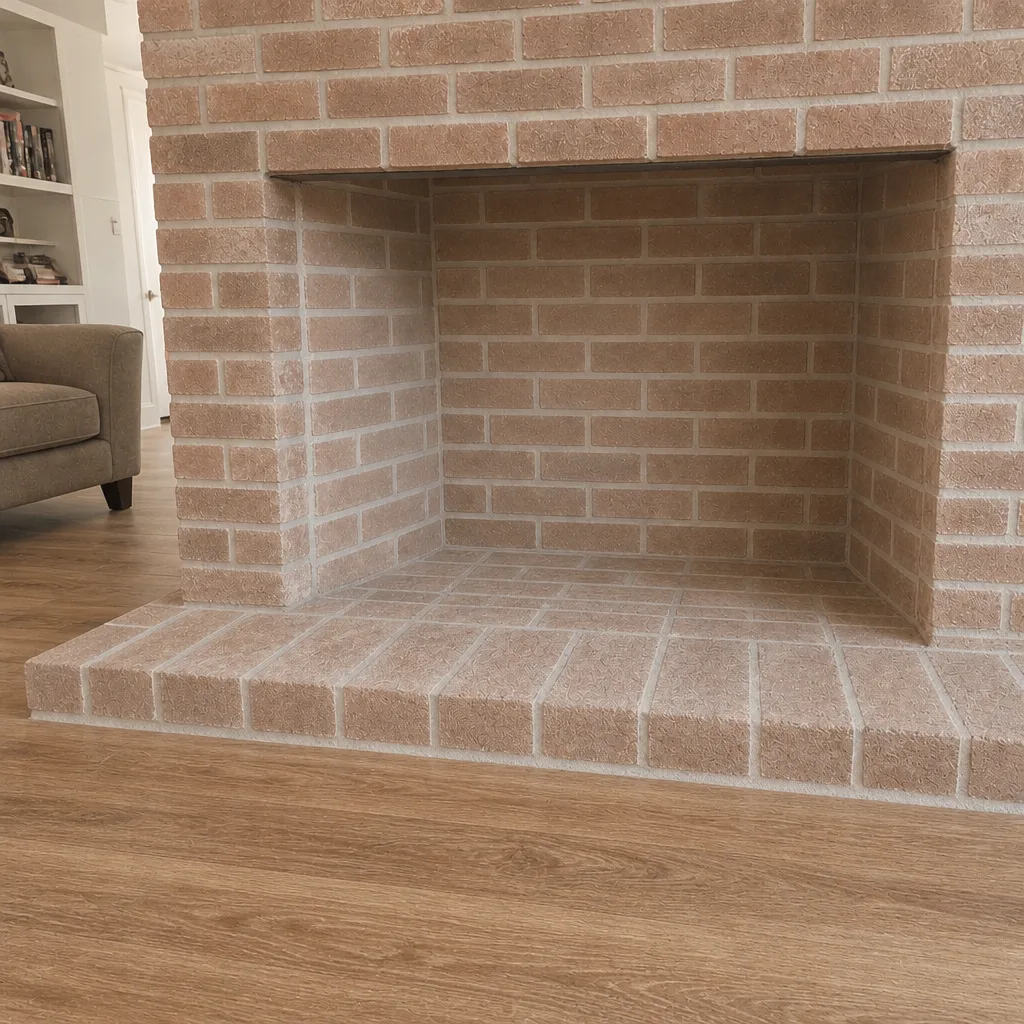
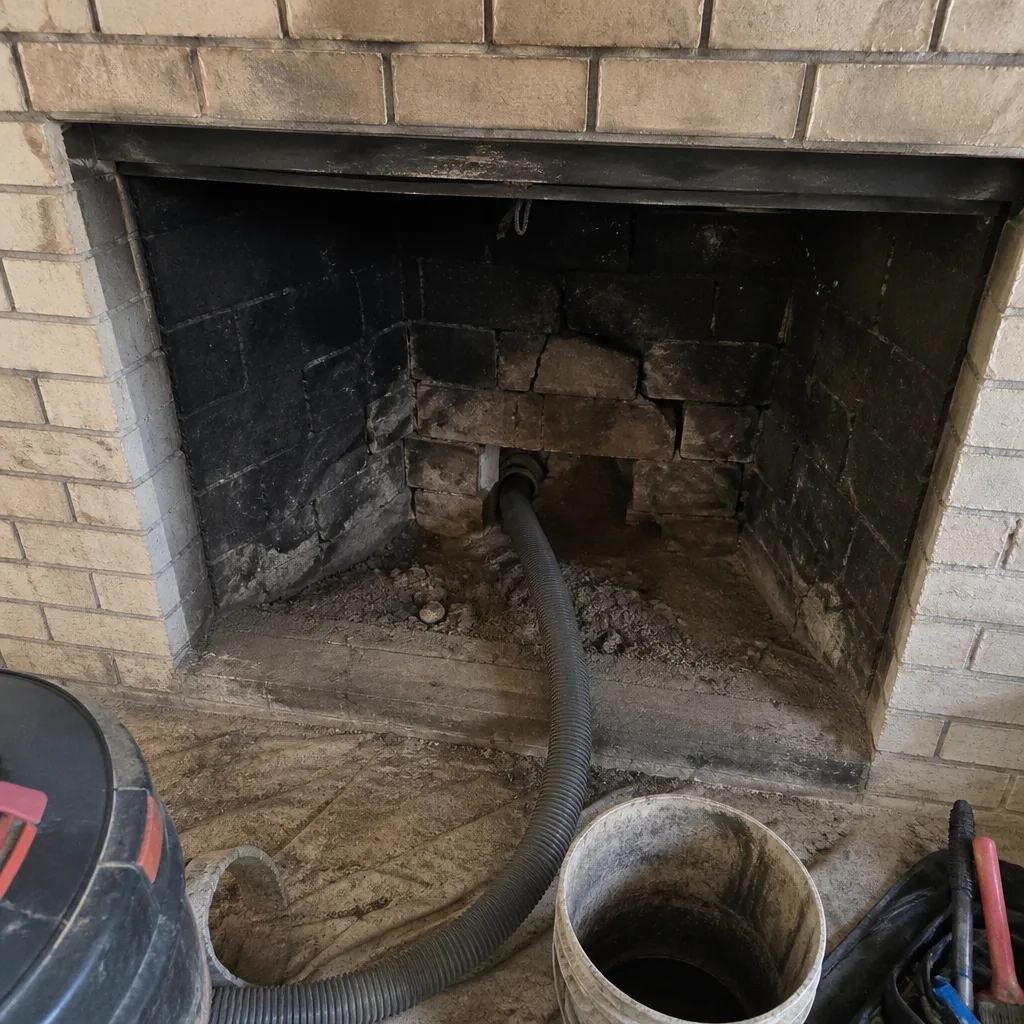
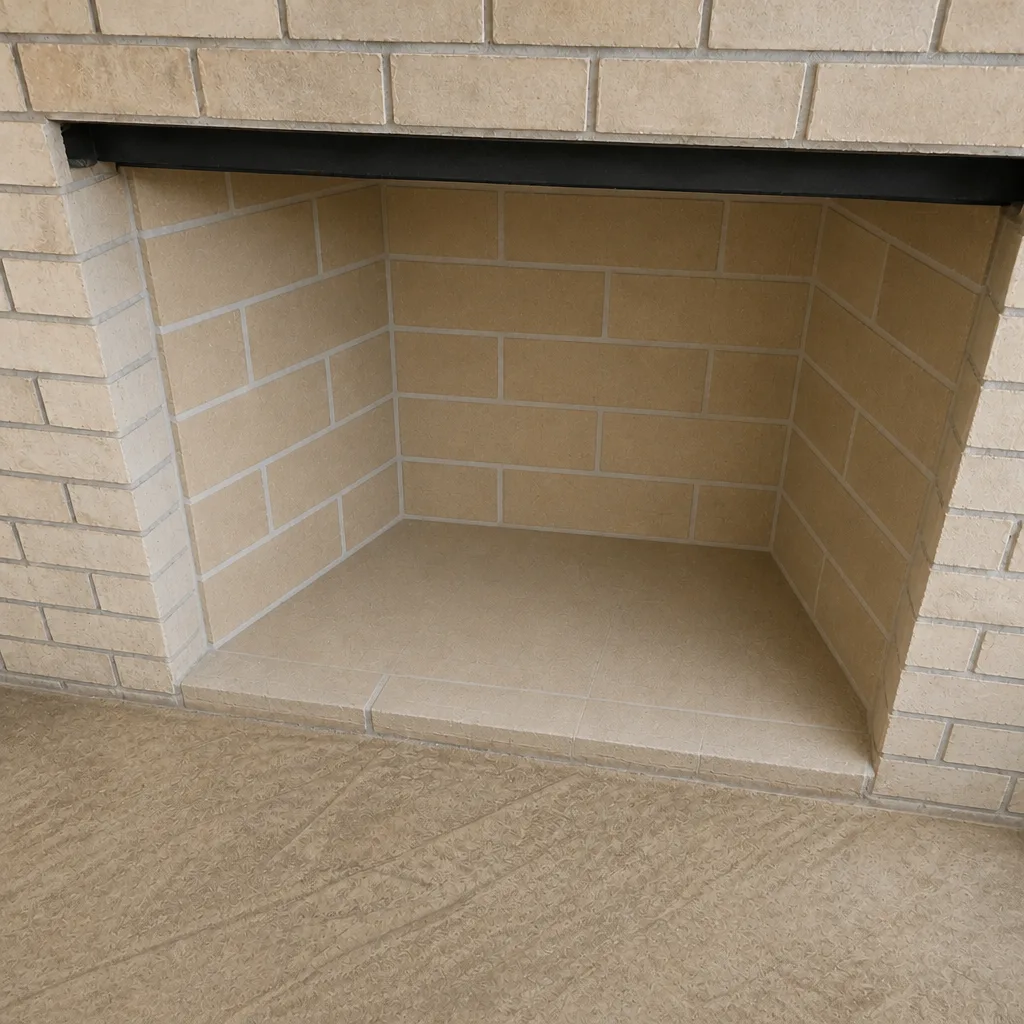
See the difference
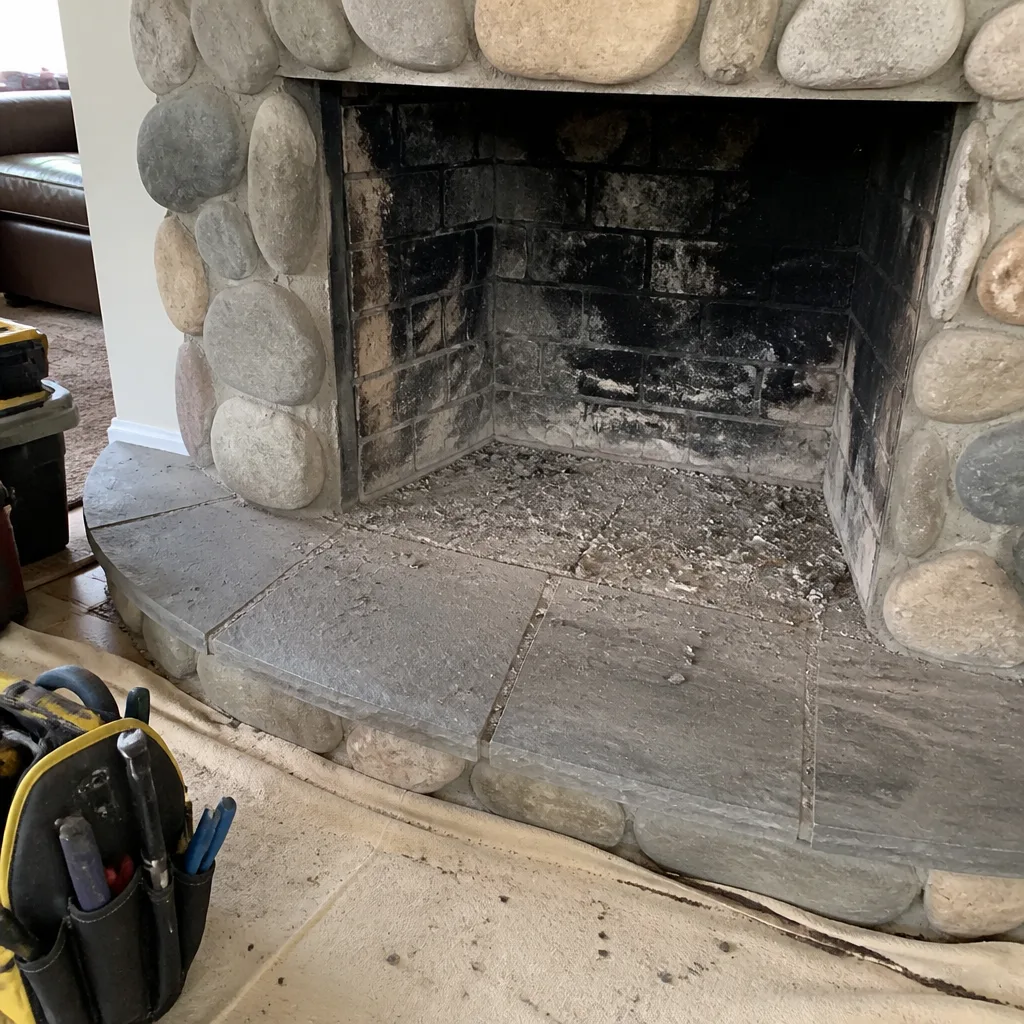 Before
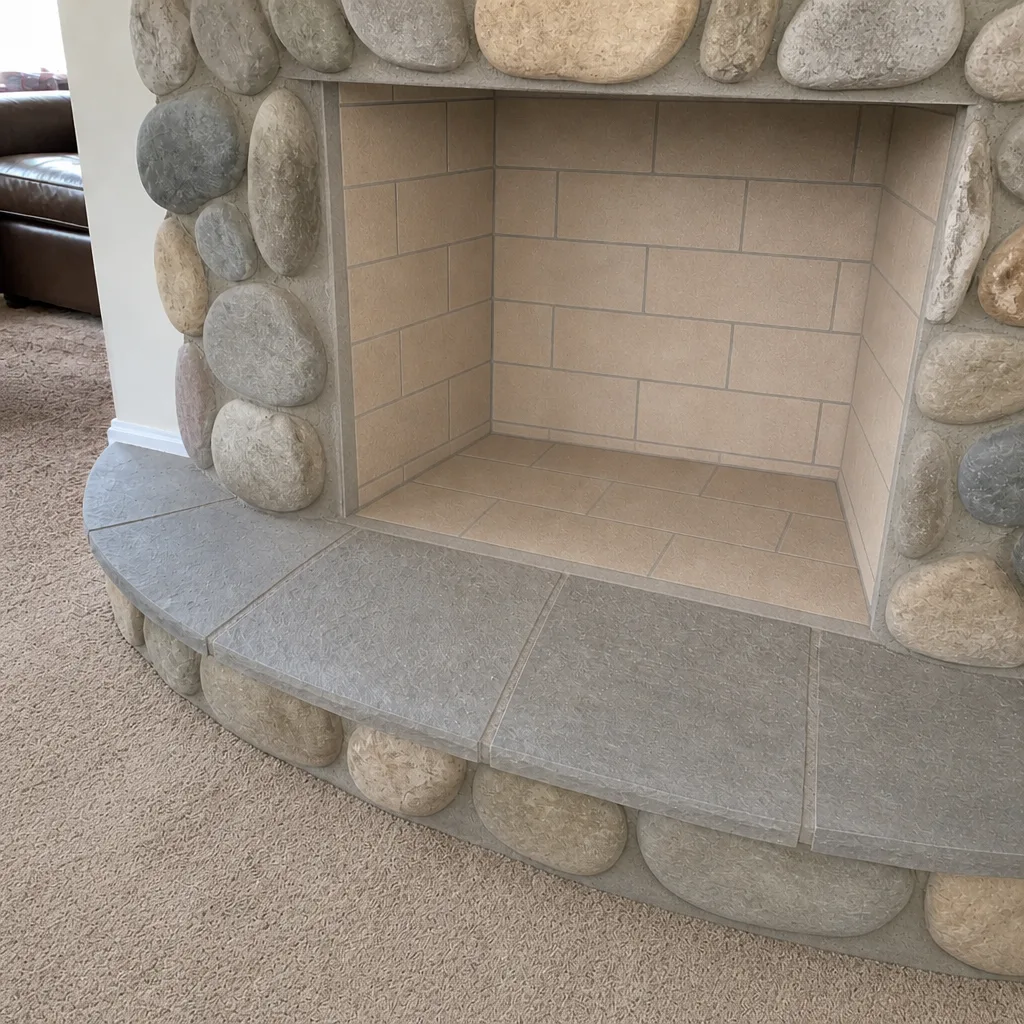 After
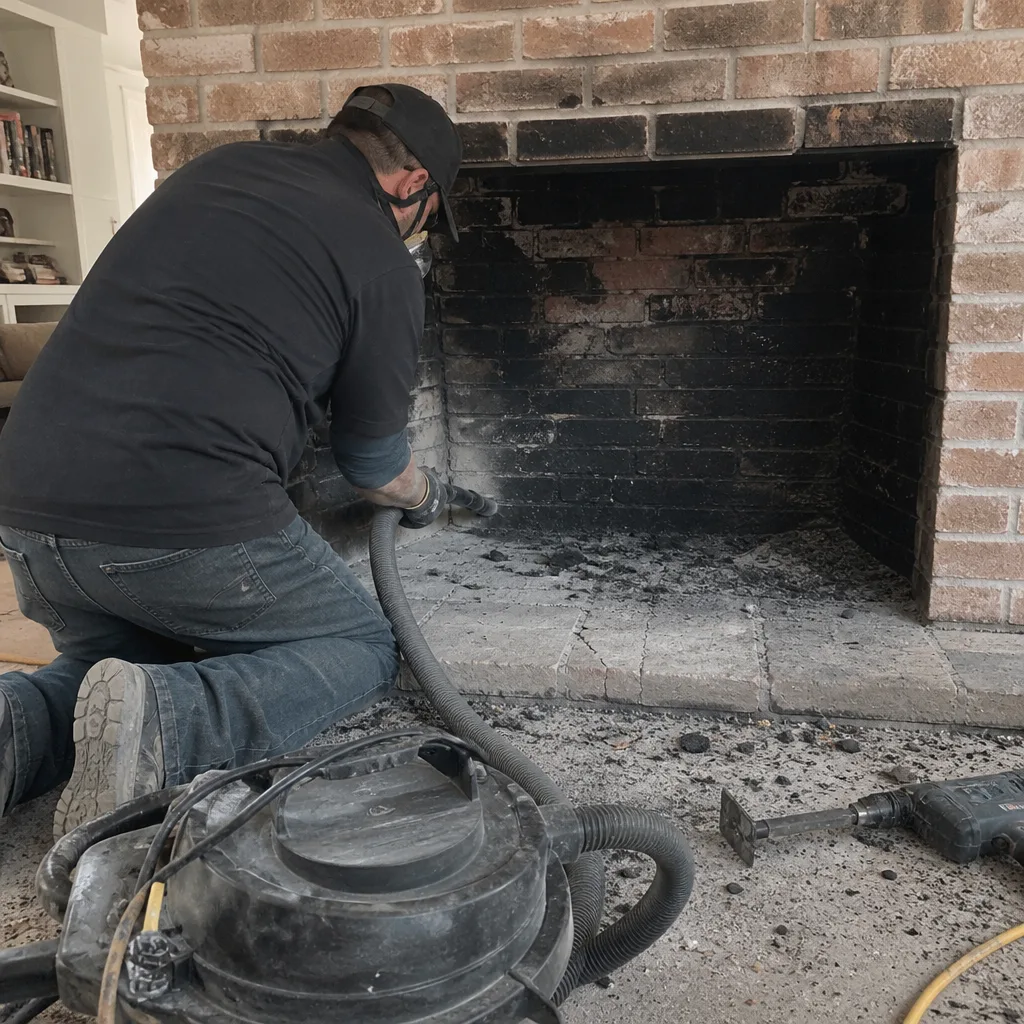 Before
 After
 Before
 After
When to Call a Professional
Call a professional when you see or smell anything you can’t explain: smoke in the room when the fire is going, soot streaks at the top of the firebox, crumbling mortar at the base of the chimney, or rust on the firebox components. Call when you’re about to light the first fire of the season and haven’t had the system inspected in over a year. Call when you’re selling a Lake Stevens home, filing an insurance claim, or documenting the property for any reason. Call when you’ve upgraded appliances without updating the liner. Call when the last time anyone looked at your flue with a camera is a question you can’t answer. Chimney Sweep Lake Stevens offers free estimates in Lake Stevens, and we’ll tell you plainly when the system is fine and the work can safely wait. Call (855) 550-7486.
Frequently Asked Questions
A standard professional chimney sweep in Lake Stevens typically runs $180 to $320, depending on flue length, roof access, and how much creosote is present. A Level 2 inspection with a camera and a written report is quoted separately and in writing before the work starts. Call (855) 550-7486 for an exact quote. Estimates are free.
Yes, for a simple straight flue with a sound liner and light soot, a homeowner can run a correctly sized brush down and back up. What you cannot do with a brush is see the condition of the clay tile liner, the joints, or the crown, and those are where problems start. DIY brushing is a supplement to professional inspection, not a replacement.
Only if a proper inspection shows the existing liner is compromised. There is no way to know that from the firebox, and no way to confirm it without a camera run through the full flue. We don’t recommend a liner replacement without showing you the camera evidence first, and if the liner is sound, we’ll tell you it’s sound.
For a regularly used wood-burning fireplace or stove, once a year is the standard. For occasional use, an inspection every one to two years with a sweep when the creosote layer warrants it is reasonable. The wet Western Washington winters make the roof-side inspection important on its own schedule.
Creosote builds up in the flue. The first two stages are brushable. Stage 3 creosote is glazed and hard, and it takes rotary equipment to remove. The bigger risk is the liner damage you won’t see: a hairline crack or a receding joint lets heat reach the surrounding masonry, and it’s the kind of thing that gets caught early or gets repaired expensively. If the question is what happens when you skip a year, the answer is often nothing visible, and that’s exactly the problem. Call (855) 550-7486 to schedule an inspection.
No. Buyers and their inspectors want a written professional report, not a homeowner’s account. A formal chimney inspection with photographs and a documented condition assessment is a tangible asset in a real estate transaction. A brush and a shop vac don’t produce that.
The Bottom Line
DIY chimney cleaning is genuinely possible for the surface task: a straight flue, a sound liner, and light soot. The annual sweep and inspection is a different job, and the difference isn’t skill, it’s the camera, the training to read what it shows, and the written documentation that comes out of a professional visit. In Lake Stevens, the wet winters and the age of many local clay tile liners make that evaluation the piece that matters most. Our technicians have up to 15 years of experience, and we work with DuraFlex and HeatShield liner systems and components from Olympia Chimney and Gelco because they’re what professionals specify. One call covers cleaning, inspection, repair, and cap and crown installation, and we’ll tell you when the work can wait. If you’re not sure which side of the line your system is on, that question is worth answering properly. Call (855) 550-7486 for a free estimate. We answer 24/7. Fast dispatch from 7am to 7pm, Sunday through Friday.
Written by the team at Chimney Sweep Lake Stevens.