
Last updated November 25, 2026
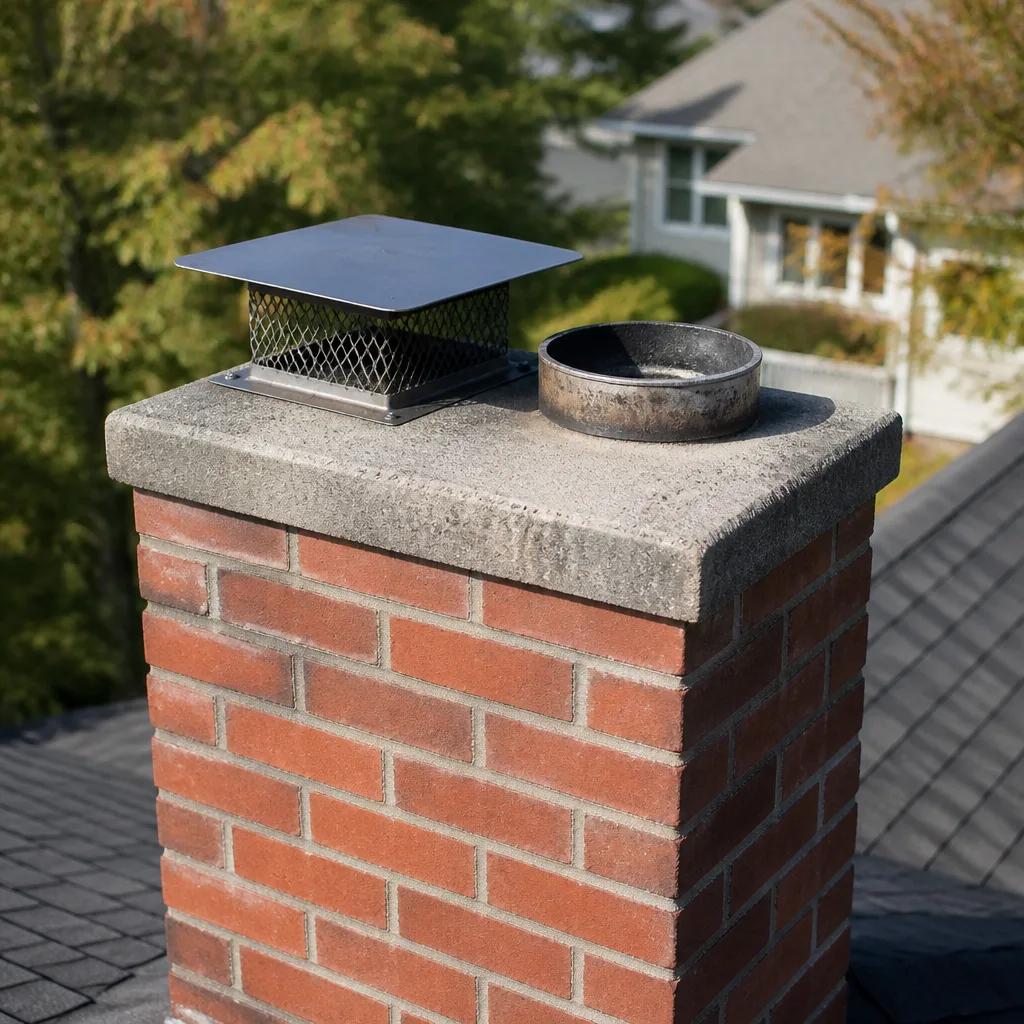 Sweep & inspection
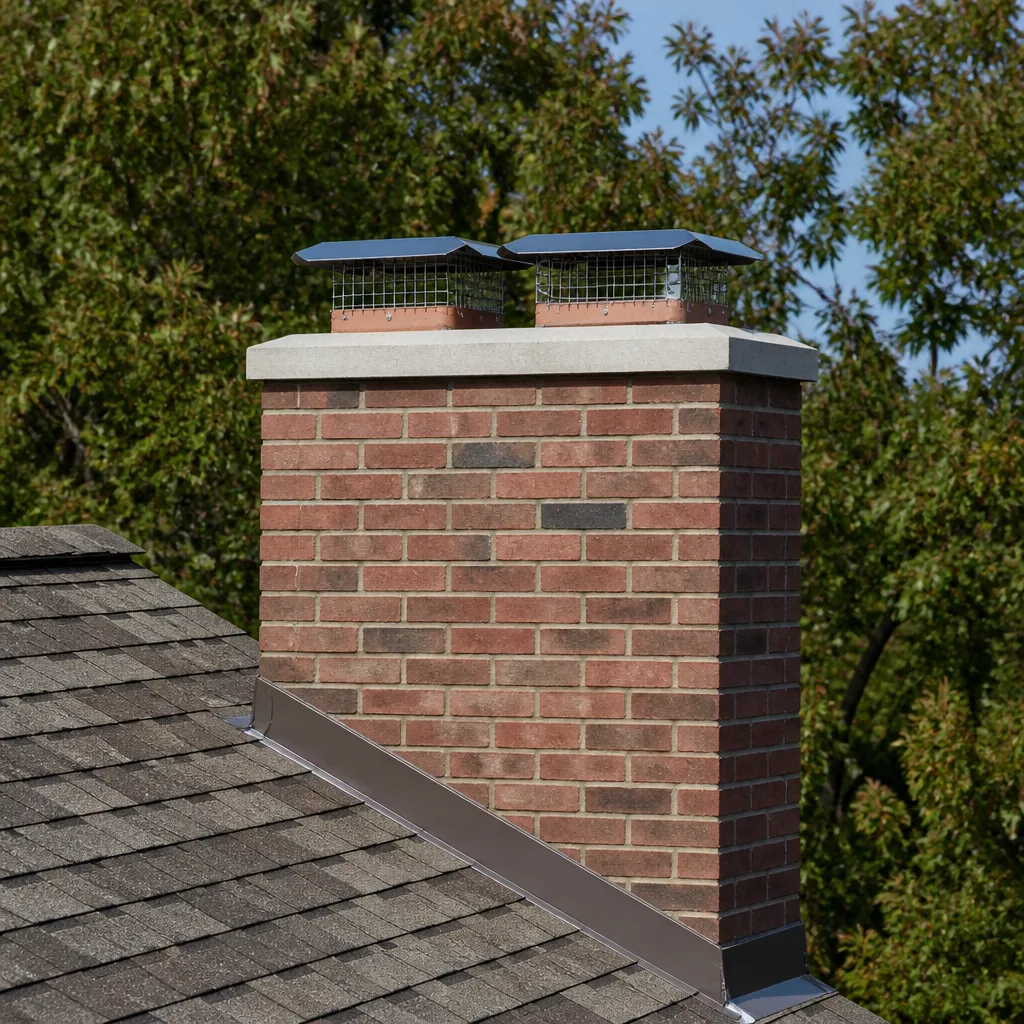 Caps & crowns
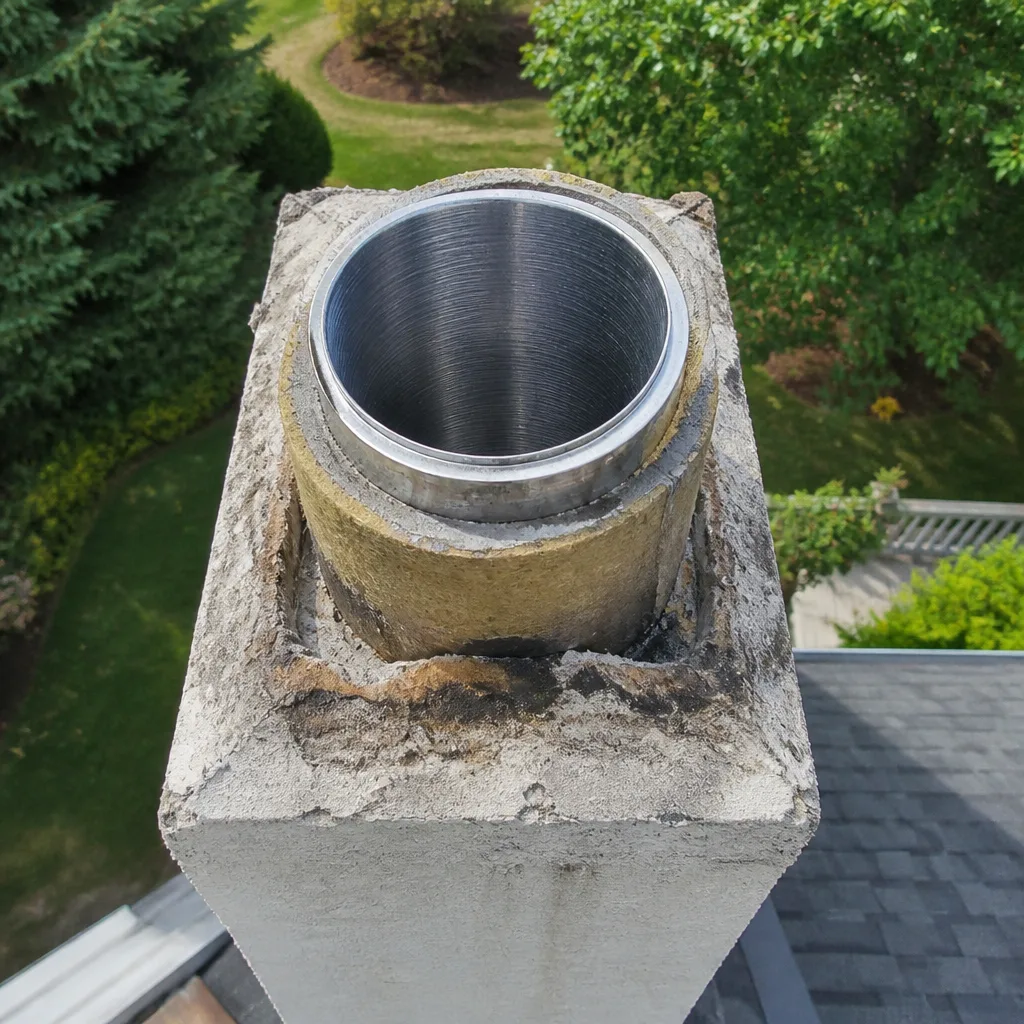 Flue relining
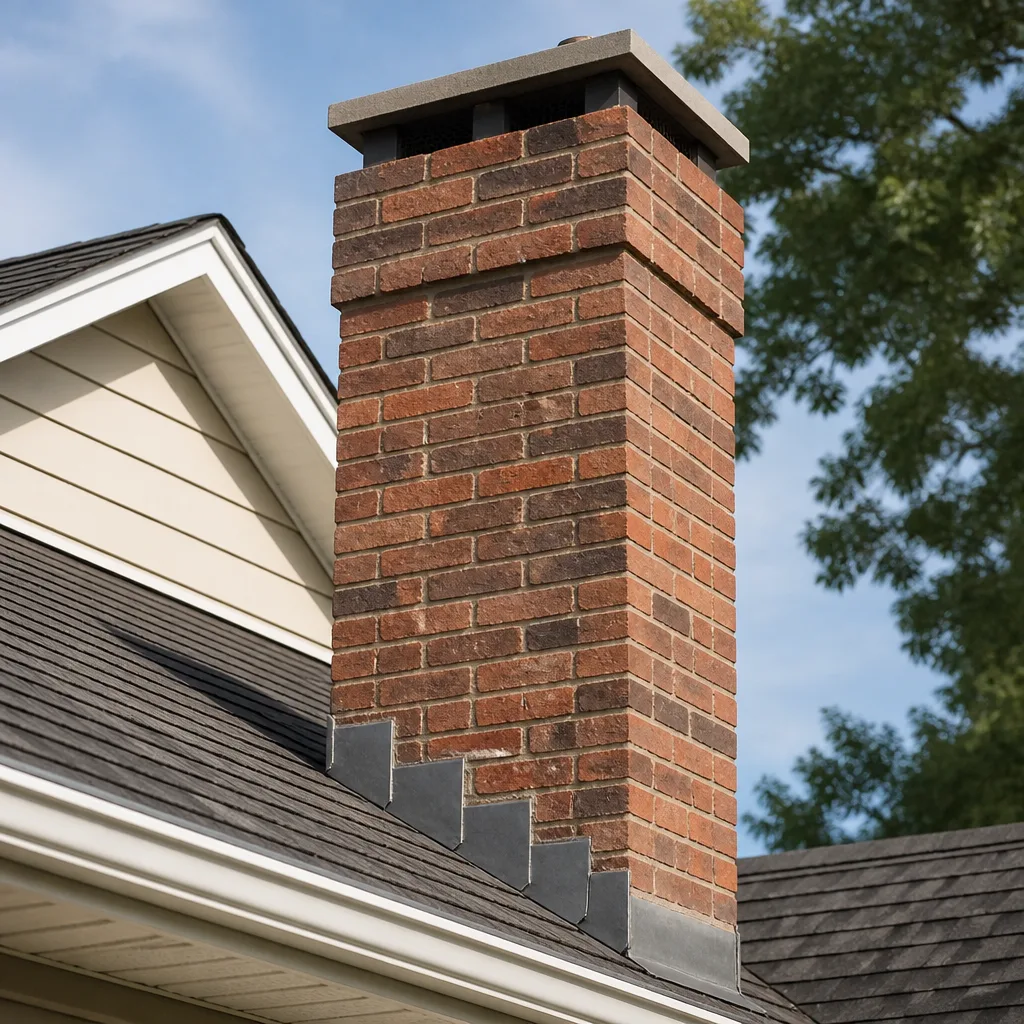 Masonry repair
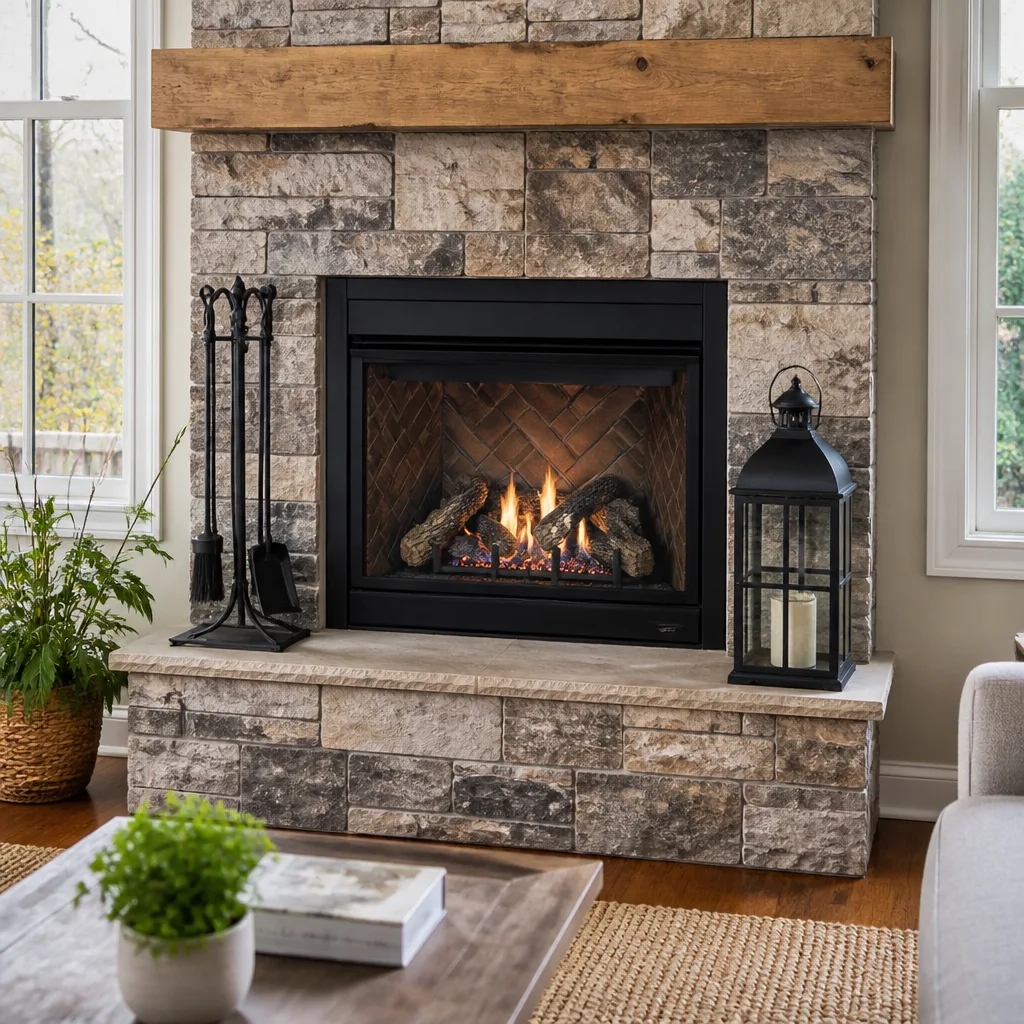 Gas fireplace service
Level 1 sweep and inspection to the NFPA 211 annual standard - flue, crown, cap, and flashing checked and photographed
Chimney sweep logs do not sweep chimneys. They loosen some creosote - which then falls where a brush and vacuum still have to collect it.
Chimney Cleaning Permits, Codes & Inspections in Lake Stevens, WA: What You Need to Know
If a technician replaced your flue liner last year without pulling a permit, you may have an unpermitted improvement sitting inside your chimney right now, and it tends to surface at the worst possible moment: closing. Most homeowners assume chimney work never touches the permit desk. Cleaning and inspection, they’re right. Liner installation, firebox rebuilds, and new appliance tie-ins, they’re wrong, and Washington State treats those as alterations that can require code review. This guide walks through what actually needs a permit, how Snohomish County reviews chimney work, what happens when a buyer’s inspector finds undocumented repairs, where to hunt down old permits, and how insurance claims can turn on compliance. If you own a wood-burning or gas fireplace in Lake Stevens, this is the paperwork side of the chimney that no one explains until it costs you.
Quick Answer
Routine chimney cleaning and inspection do not require a permit anywhere in Washington State, including Lake Stevens. Permits become relevant when the work changes the chimney system itself: installing or replacing a flue liner, rebuilding a firebox or chimney structure, or tying in a new appliance like a wood stove or insert. Those projects can trigger review under the International Residential Code chimney chapter, which Washington adopts, and under NFPA 211, the national chimney standard. Whether your specific job needs a permit depends on scope, and the answer comes from Snohomish County’s building department, not from a contractor’s opinion.
Styles & brands we work with
- Sweep & inspection
- Caps & crowns
- Flue relining
- Masonry repair
- Gas fireplace service
Table of Contents
- Which chimney services need a permit and which never do
- How Snohomish County, IRC Section R1000, and NFPA 211 fit together
- What happens at a home sale when unpermitted chimney work turns up
- How to request past chimney permits from Snohomish County
- The insurance angle: when a claim hinges on code compliance
- What a formal chimney inspection actually documents
- Why Lake Stevens chimneys take a beating and what that means for records
Which Chimney Services in Lake Stevens Need a Permit and Which Never Do
Cleaning and inspection are maintenance. They never require a permit, and no legitimate sweep will suggest otherwise. The line gets crossed when the work alters the chimney as a system: the liner, the firebox, the flue structure, or the appliance connected to it. That’s when Snohomish County may want to review the project before it starts.
Work that does not require a permit:
- Chimney sweeping. Removing creosote and soot from the flue is maintenance, plain and simple. A routine chimney sweep in Lake Stevens never touches the permit desk.
- Chimney inspection. Whether it’s an annual safety check or a pre-sale assessment, documenting the condition of a chimney is not construction.
- Cap and crown replacement. Installing a new cap or repairing a crown is generally treated as a repair to an existing chimney, though a full crown rebuild that changes the structure is worth a phone call to the county to confirm.
- Minor masonry pointing. Repointing loose mortar joints on an existing chimney typically falls under repair, not alteration.
Work that commonly requires a permit or code review:
- Flue liner installation or replacement. A new liner changes how the chimney vents, and it has to meet listed standards for the appliance it serves. This is the big one, and the one most often done without paperwork.
- Firebox or smoke chamber rebuilding. Rebuilding the firebox with new refractory materials is structural work on the chimney system.
- New appliance tie-ins. Connecting a wood stove, insert, or new gas appliance to a chimney is an alteration that involves venting and often gas or electrical work.
- Chimney demolition or height changes. Removing a chimney or changing its height affects the structure of the house itself.
- Converting a wood-burning fireplace to gas or the reverse. A fuel change means the venting has to be re-evaluated for the new appliance.
The practical rule: if the work changes what the chimney is or what it vents, ask the county. Cleaning and inspection exist to keep the system safe, and they never need approval. Reconstruction does. When we quote a liner or a rebuild, we tell homeowners up front that a permit may be part of the project, because that conversation is far easier before the work than at closing.
How Snohomish County, IRC Section R1000, and NFPA 211 Fit Together
Three layers of rules apply to a chimney in Lake Stevens, and understanding how they stack makes the permit question much less mysterious. Washington State adopts the International Residential Code, which includes the chimney and venting chapter commonly cited as IRC Section R1000. Snohomish County administers that code locally, issuing permits and inspecting work. NFPA 211, the Standard for Chimneys, Fireplaces, Vents, and Solid Fuel-Burning Appliances, is the national industry standard that the code leans on for details like clearance to combustibles, liner sizing, and inspection levels.
How the layers interact:
- NFPA 211 sets the technical standard. It defines what a proper liner looks like, how much clearance a chimney needs from wood framing, and what a Level 1, 2, or 3 inspection covers. It’s the reference professionals use when evaluating a chimney.
- The IRC turns much of that standard into code. Washington’s adopted residential code incorporates chimney requirements, including that flues be lined and that liners be listed and installed per the manufacturer’s instructions.
- Snohomish County enforces it. The county building department reviews permit applications, inspects the work, and keeps the record. When a permit is required, the county is the authority that signs off.
What this means in practice is that a liner installation has to satisfy the manufacturer’s listing, the code, and the county inspector, and those three generally agree. The failure point is almost always paperwork: work done correctly but never permitted, or work done without a permit precisely because it wasn’t done correctly. A professional-grade liner system such as DuraFlex or a resurfacing product like HeatShield is designed to meet the standard, but meeting the standard and documenting the job are two different things. We recommend homeowners keep the manufacturer documentation, the receipt, and any permit records together, because that packet is what a buyer’s inspector and an insurance adjuster will both ask for.
One more layer worth knowing: local amendments. Cities occasionally add requirements on top of the state code, and it’s worth confirming with the Snohomish County building department whether the property sits in an area with any additional review. A two-minute phone call before a project beats a surprise afterward.
What Happens at a Home Sale When Unpermitted Chimney Work Turns Up in Lake Stevens
Chimney issues are one of the most common findings in a Lake Stevens home inspection, and unpermitted work is one of the most common reasons a sale stalls. When a buyer’s inspector looks at a chimney and sees a newer stainless liner, a rebuilt firebox, or a stove that wasn’t there when the home last sold, the natural question is whether the work was done right and whether it was done legally. If there’s no permit record, the seller carries the burden of proof.
The sequence usually looks like this:
- The inspector flags the chimney. They note the newer components and recommend a Level 2 inspection, which is standard practice on a real estate transaction because it includes a video scan of the flue.
- The buyer’s agent asks for documentation. Receipts, permit records, and the inspection report. If none exist, the transaction gains a contingency.
- The seller has to produce proof or negotiate. That might mean a retroactive permit, a professional inspection that confirms the work is sound, or a credit to the buyer for correction costs.
- The clock starts ticking. Every one of these steps takes time, and timelines in a real estate transaction are short.
In our experience in Lake Stevens, the sellers who breeze through a chimney contingency are the ones who kept records. The sellers who struggle are the ones who let a technician install a liner with a handshake and no paperwork. It’s not that the work was necessarily wrong; it’s that no one can prove it wasn’t. On the buyer’s side, a formal inspection is what turns a vague worry into a documented assessment you can negotiate with. We provide chimney repair and inspection documentation specifically so that both sides of a transaction have something concrete to point at.
If you’re buying in Lake Stevens and the chimney report is thin, request a Level 2 inspection before you remove contingencies. If you’re selling, gather your chimney records early, well before the listing goes live. It’s a small amount of work that removes a large amount of risk from the deal.
How to Request Past Chimney Permits From Snohomish County (and What to Do If None Exist)
If you need to know whether chimney work on a Lake Stevens property was ever permitted, you can request the permit history from Snohomish County. The building department keeps records of permits issued and inspections completed, and those records are available to property owners and, in many cases, to anyone with a legitimate interest in the property.
A practical process to follow:
- Gather the property address and parcel number. The parcel number speeds up any records search. You can find it on the county assessor’s site or on your property tax statement.
- Contact Snohomish County’s building department. Ask for the permit history for the parcel. Be specific: ask whether any permits were issued for chimney, fireplace, or venting work, and when.
- Request the inspection record, not just the permit. A permit that was issued but never final-inspected is a red flag. What you want to see is a completed inspection with a passing result.
- Cross-check the dates against the work. If the liner looks newer than the last recorded permit, there’s a gap to investigate.
If no permit exists for work that clearly happened, you have options. First, have a formal inspection done to confirm the work is safe and code-compliant. A documented inspection won’t replace a permit, but it gives you and any future buyer solid evidence about the condition of the system. Second, ask the county whether a retroactive permit is possible for the specific scope of work; policies vary by jurisdiction and by the type of work. Third, if the inspection finds problems, that’s the moment to address them, before they become someone else’s negotiating point.
We hear from Lake Stevens homeowners fairly often who discover an old liner installation with no paper trail. The good news is that a proper inspection with a camera scan tells you what you actually have, regardless of what was or wasn’t filed. That’s the starting point for any fix.
The Insurance Angle: When a Chimney Fire Claim Hinges on Code Compliance
Here’s the part most homeowners never think about until it matters: a chimney fire claim can be denied if the work on the chimney wasn’t code-compliant or was never permitted. Insurance policies generally cover sudden accidental losses, but they also generally exclude losses caused by negligent installation or work that doesn’t meet code. An unpermitted liner that fails, or a firebox rebuild that doesn’t meet clearance requirements, can turn a covered fire into a disputed claim.
What adjusters typically look for after a chimney fire:
- Evidence of maintenance. Sweeping records, inspection reports, and receipts show the chimney was maintained. A chimney that hasn’t been swept in years is a harder claim to win.
- Compliance of any alterations. Was the liner listed for the appliance? Was the installation done per the manufacturer’s instructions? Was a permit required and obtained?
- Cause of the fire. Creosote ignition is a maintenance issue; a failed component is an installation issue. The two are treated very differently.
The takeaway isn’t to fear your insurer. It’s to document everything. Keep the inspection report, keep the sweep receipt, and keep any permit paperwork with your home records. If you bought a Lake Stevens home with a chimney of unknown history, a formal inspection now is the cheapest insurance against a documentation problem later. We can work with your insurer on documentation when a claim is in progress, and we always recommend homeowners call their carrier directly to confirm how their specific policy handles chimney work.
Fire safety is the real reason all of this matters. A chimney fire is a serious event, and creosote buildup is the most common cause. Regular sweeping and a documented inspection history reduce that risk and give you a paper trail if the worst happens. Nothing about this is scare-selling; it’s the honest reason to keep records.
What a Formal Chimney Inspection Actually Documents
A formal inspection is not the same thing as a sweep with a look-see at the end. NFPA 211 defines three levels, and knowing which one you’re getting matters when the inspection is going to be used for a real estate transaction, an insurance claim, or a permit file.
- Level 1: A visual check of the readily accessible portions of the chimney, firebox, and appliance connection. Appropriate for an annual check when the system hasn’t changed and there’s no known problem.
- Level 2: Everything in Level 1 plus a video scan of the flue interior, and inspection of accessible attic and crawl space areas where the chimney passes through. This is the standard for a home sale, an appliance change, or after a chimney fire or seismic event.
- Level 3: A Level 2 plus investigation of concealed areas, which may require removing parts of the chimney or building. Reserved for serious suspected problems.
What the report should include: the condition of the liner, evidence of creosote or blockage, the condition of the crown and cap, flashing and water intrusion points, clearance to combustibles, and any recommended repairs with photos. In our experience, the photo documentation is what makes a formal inspection useful. A written opinion without images is hard to hand to a buyer or an adjuster.
For a Lake Stevens homeowner, a Level 2 inspection is the right call whenever the chimney’s history is uncertain, which covers most homes that changed hands without chimney records. We provide inspections as a standalone service, separate from cleaning, so you can get the documentation without having the sweep done at the same time if you prefer. If you’re also in need of fireplace repair, the inspection becomes the roadmap for the work.
Why Lake Stevens Chimneys Take a Beating and What That Means for Your Records
Lake Stevens sits in a wet, temperate climate with a genuine heating season, and that combination is hard on chimneys in specific ways. The rain is persistent through the cooler months, which means water intrusion is a constant concern. The two biggest defenses against it are the cap and the crown, and both are the kind of thing that deteriorates quietly. A cracked crown lets water into the masonry, and masonry that stays wet through a wet winter spalls and cracks. That damage often goes unnoticed until an inspection or a sale turns it up.
On the wood-burning side, cold-season use builds creosote, and the more the fireplace gets used, the faster it accumulates. The neighborhoods around the lake see plenty of wood-burning fireplaces and stoves, and a chimney that’s been in steady use without a sweep carries real fire risk. None of this is unusual for the region, but it does mean Lake Stevens homeowners have more reason than most to keep a maintenance record: the wet climate drives water damage issues, and the heating season drives creosote, and both show up in a home inspection.
The practical implication for records: when you have repair work done, document it. Store the inspection report, the sweep receipt, and the photos with your home files. If you have a cap or crown installed, that’s a repair worth recording too, because it’s evidence that the chimney was being actively protected. We install caps and crowns because they’re the two most effective barriers against chimney water intrusion, and a chimney that stays dry stays sound. If you’re in Lake Stevens and your chimney’s history is a blank, an inspection is the fastest way to fill in the picture.
Common Mistakes to Avoid
- Assuming liner work never needs a permit. A flue liner replacement changes the venting system, and in many cases it requires a permit or code review. Skipping that step is exactly how a home ends up with an unpermitted improvement.
- Hiring a sweep who won’t put anything in writing. A receipt and an inspection report protect you at resale and with your insurer. Cash work with no documentation is a liability you’re carrying forward.
- Pulling a permit but never getting the final inspection. An open permit shows up in the county records and can stall a sale. Confirm the inspection was completed and passed, not just that the permit was issued.
- Letting a cracked crown go through another wet season. Lake Stevens rain finds every gap, and masonry that stays saturated through the winter is more expensive to repair than a crown that was addressed early.
- Waiting until a buyer’s inspector flags the chimney. Gather your chimney records before you list. A transaction is the worst time to find out your liner paperwork is missing.
- Using a handyman for a liner or firebox rebuild. These are listed-system installations that need the correct materials and the correct documentation. Professional-grade liners like DuraFlex and resurfacing systems like HeatShield are specified for a reason.
- Assuming a visual look counts as an inspection. A Level 2 inspection with a video scan is what a buyer, an adjuster, or a permit file will want to see.
See the difference
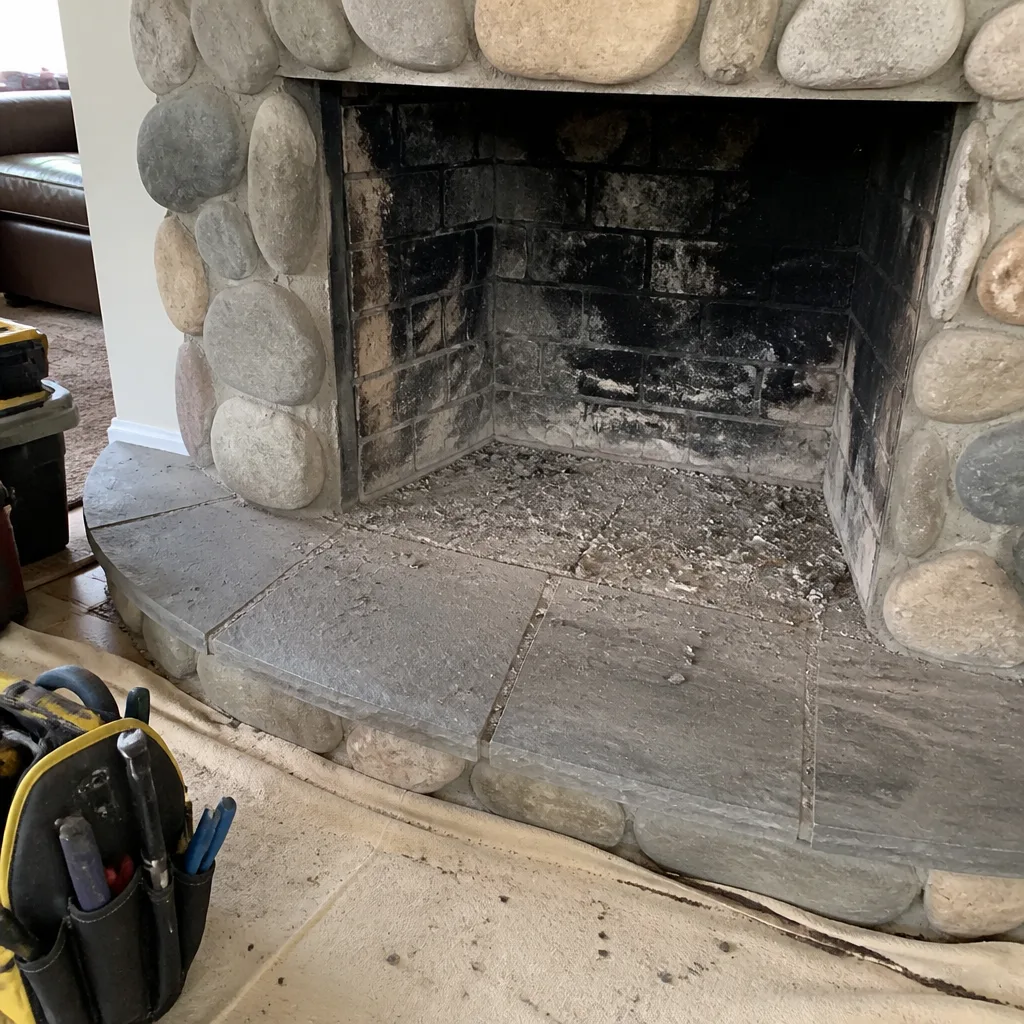 Before
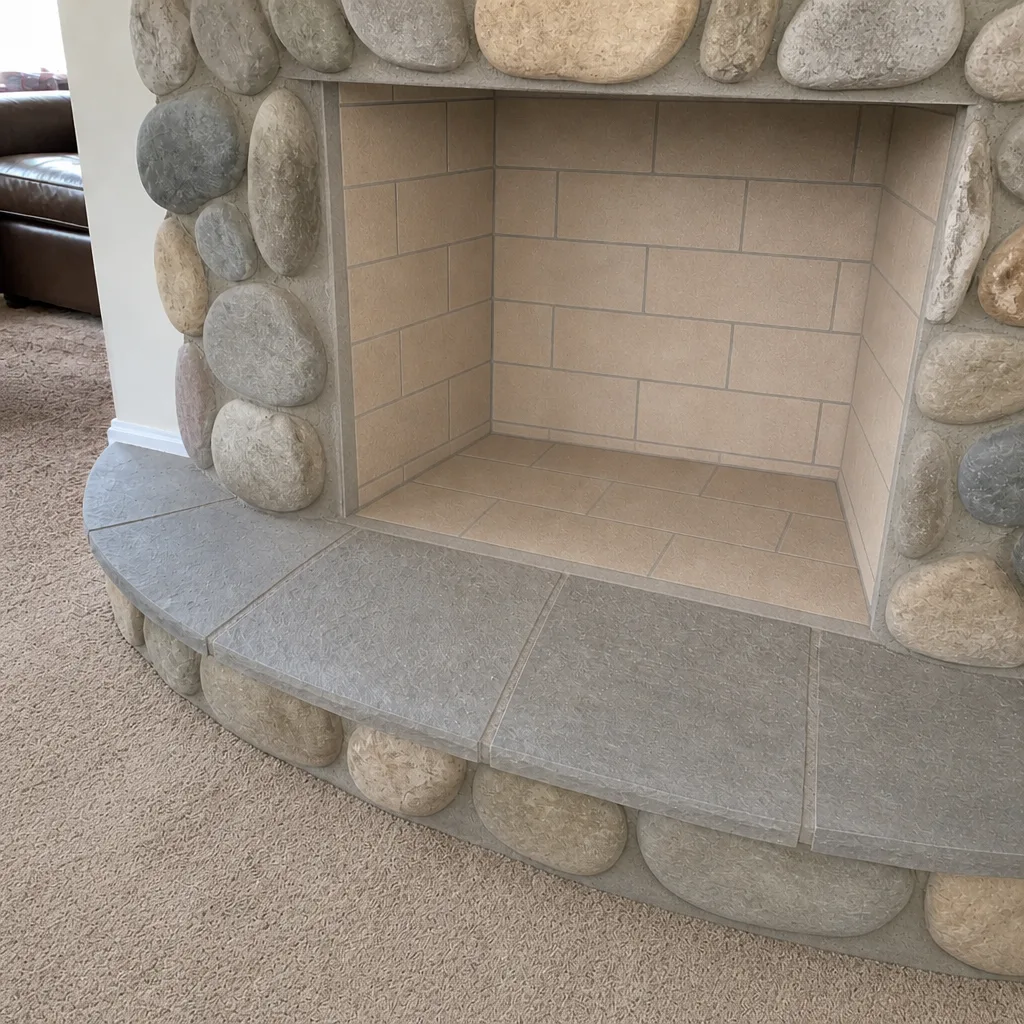 After
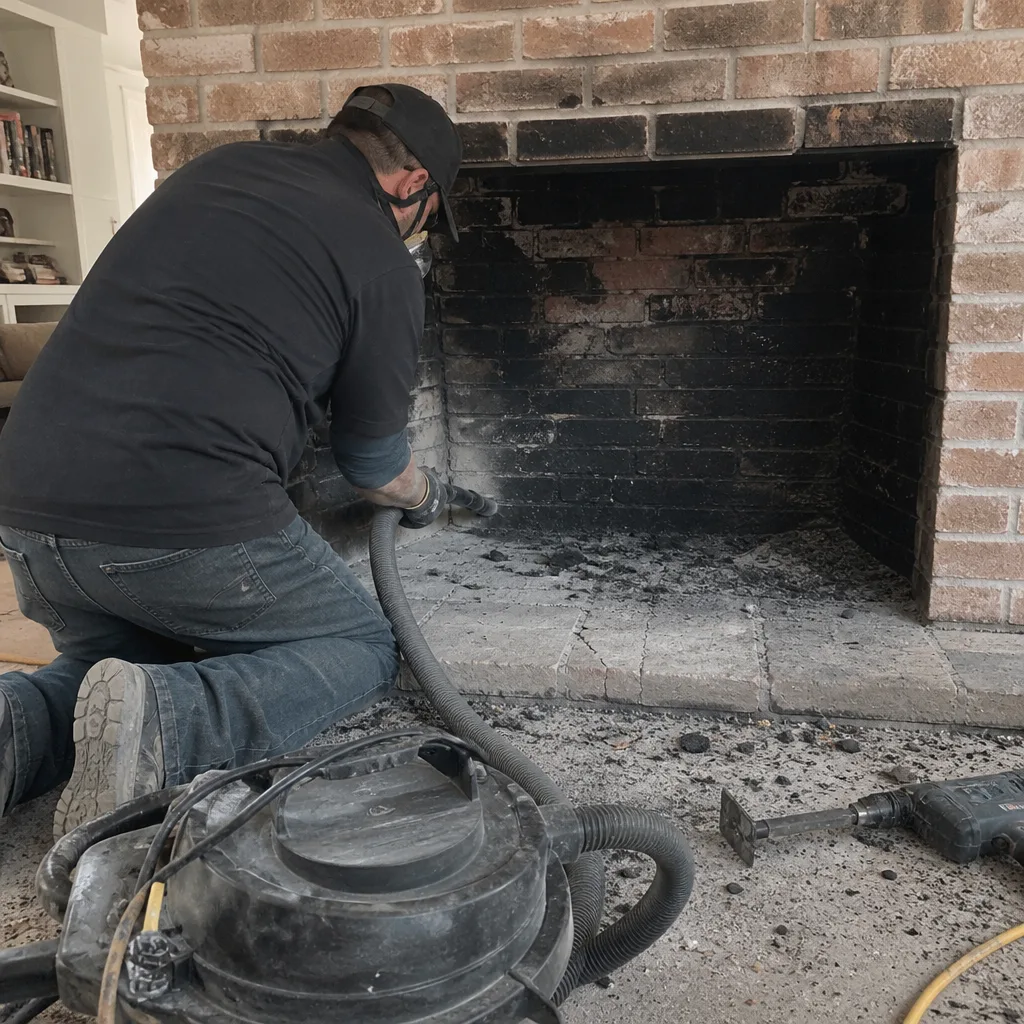 Before
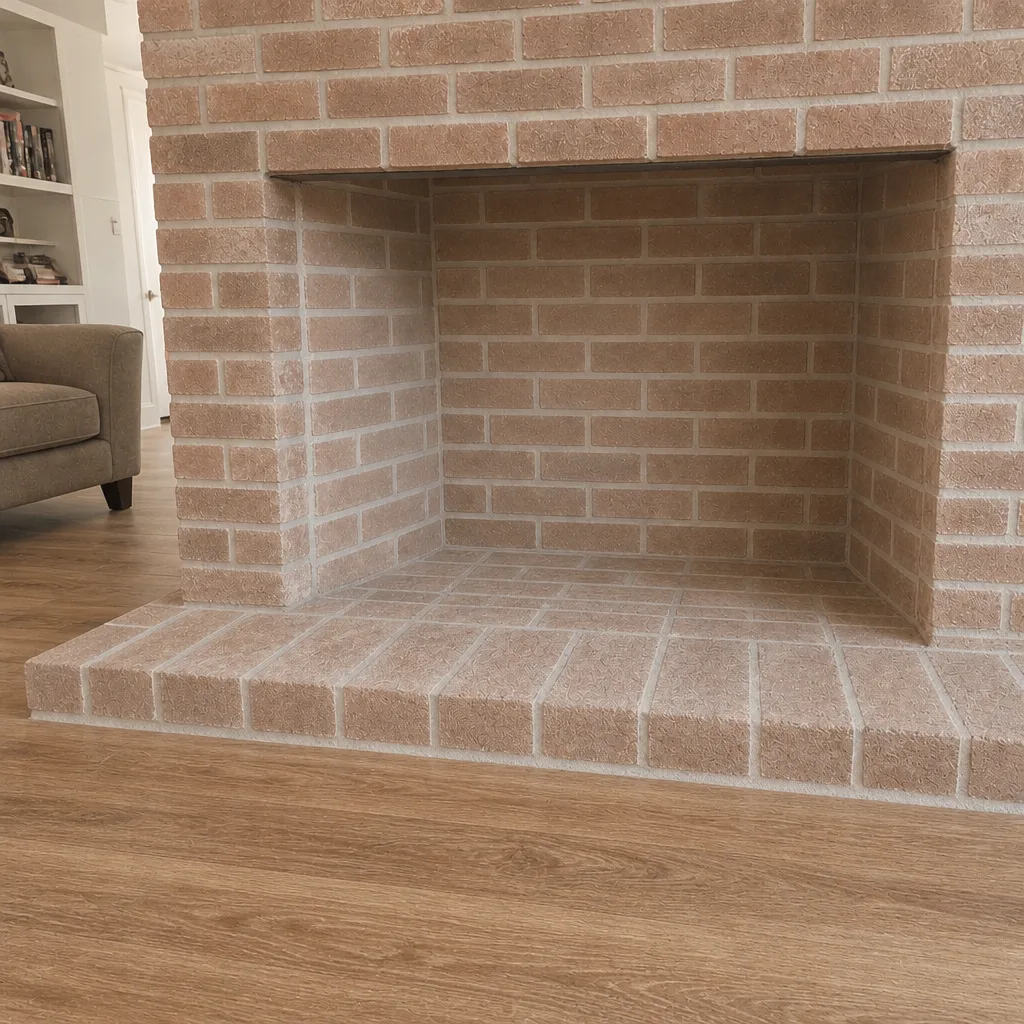 After
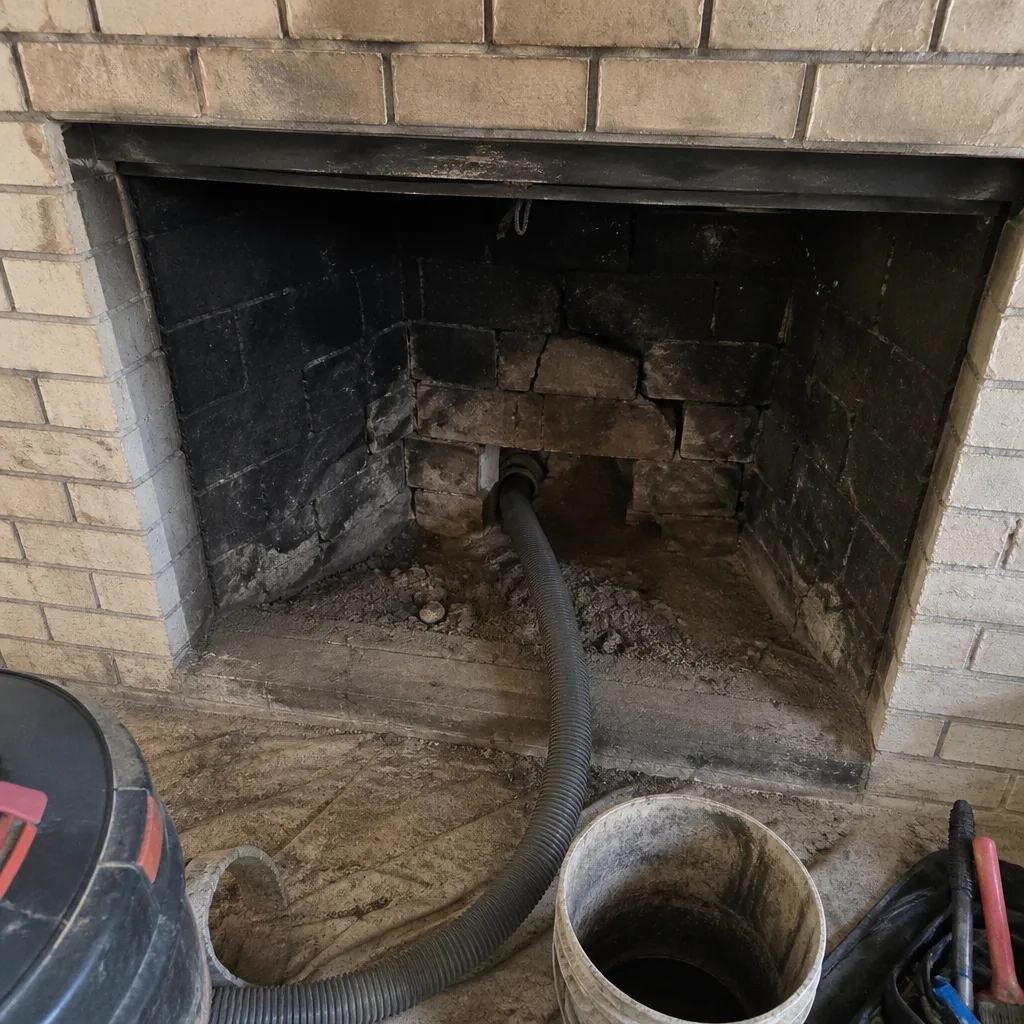 Before
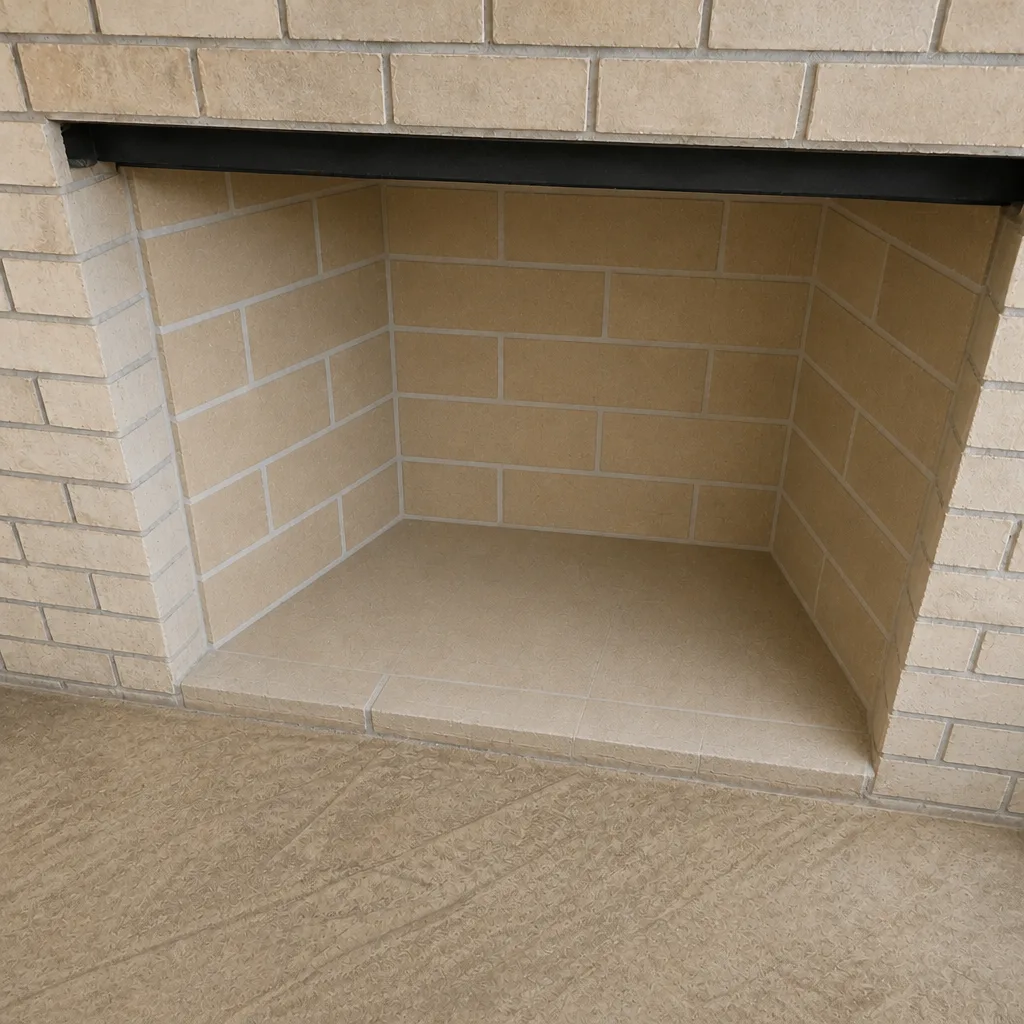 After
When to Call a Professional
Call a professional when the question is no longer just “does my chimney need cleaning.” If you’re selling a Lake Stevens home and the chimney records are thin, get a Level 2 inspection before the listing goes live so the report is ready when the buyer’s inspector shows up. If you’re buying and the chimney report says little, get a formal inspection before removing contingencies. If a liner or firebox was replaced without a permit and you’re not sure it was done to code, an inspection with camera documentation tells you what you actually have. If your crown is cracked or your cap is missing, address it before the wet season does more damage. And if you’re not sure whether a project needs a permit, call the county or call us and we’ll tell you honestly. Chimney Sweep Lake Stevens offers free estimates in Lake Stevens. Call (855) 550-7486 for a free estimate. We answer 24/7, with fast dispatch from 7am to 7pm, Sunday through Friday.
Frequently Asked Questions
No. A routine Chimney Sweep Lake Stevens service is maintenance and never requires a permit, and neither does a chimney inspection. Permits become relevant only when the work alters the chimney system itself, such as a liner installation, firebox rebuild, or new appliance tie-in. Call (855) 550-7486 for an exact quote on a sweep or inspection, which are estimated per job.
It often does. A flue liner replacement changes how the chimney vents, and in many cases that triggers a permit or code review through Snohomish County’s building department. The answer depends on the specific scope, so it’s worth a call to the county before the work begins. A proper liner installation uses a listed, professional-grade system like DuraFlex or HeatShield so it meets the standard; the permit is what documents it. Call (855) 550-7486 for a free estimate on liner work.
The sale usually stalls until the seller produces documentation or negotiates. The buyer’s inspector flags the work, the agent asks for permit records, and if none exist, the seller has to get a retroactive inspection, a professional assessment, or offer a credit. Having a Level 2 inspection ready ahead of the sale is the simplest way to avoid the problem. Call (855) 550-7486 to book an inspection before you list.
Yes. Request the permit history for your parcel from Snohomish County’s building department, and ask specifically about chimney, fireplace, and venting permits along with the final inspection results. If no permit exists for work that clearly happened, a formal inspection can document the current condition. Call (855) 550-7486 for a free estimate on an inspection with photo documentation.
It can. Policies often exclude losses tied to negligent installation or non-code-compliant work, and an unpermitted liner or an improperly rebuilt firebox can turn a covered fire into a disputed claim. Proof of maintenance and compliance is what supports a claim, so keep your sweep and inspection records and confirm how your policy handles chimney work with your carrier. Call (855) 550-7486 to set up an inspection and start building that record.
Annually is the standard, and a Level 2 inspection with a video scan is the right call whenever the system has changed, the home has been sold, or the chimney’s history is unknown. A chimney in steady wood-burning use through the heating season should be swept as needed between inspections. Call (855) 550-7486 for a free estimate on a sweep or inspection, and quick dispatch from 7am to 7pm, Sunday through Friday.
The Bottom Line
Chimney cleaning and inspection never need a permit, but liner replacements, firebox rebuilds, and new appliance tie-ins can. Snohomish County enforces the International Residential Code and leans on NFPA 211 for the technical standard, and a permitted job is a documented job. Documentation is what carries you through a home sale, an insurance claim, and the annual safety check that keeps a wood-burning fireplace safe. If your Lake Stevens chimney’s history is uncertain, a Level 2 inspection fills in the picture, and if you need repair or liner work, use a professional-grade system and keep the paperwork. One call covers it. Call (855) 550-7486 for a free estimate. We answer 24/7, with fast dispatch from 7am to 7pm, Sunday through Friday.
Our technicians have up to 15 years of experience, and we work with professional-grade materials including DuraFlex, HeatShield, Gelco, Olympia Chimney, Famco, and Copperfield because they’re what professionals specify. If a project touches the permit desk, we’ll tell you up front.
Written by the team at Chimney Sweep Lake Stevens.