
Last updated November 25, 2026
 Sweep & inspection
 Caps & crowns
 Flue relining
 Masonry repair
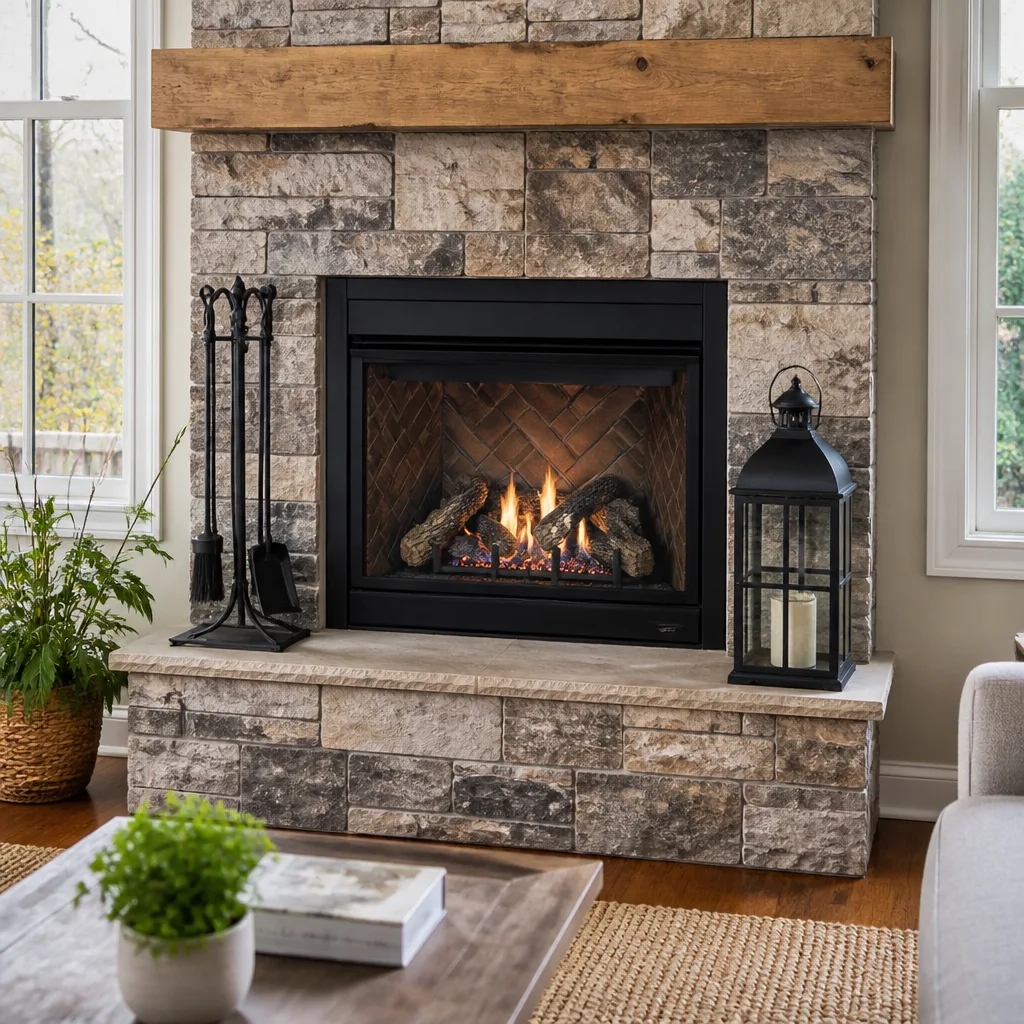 Gas fireplace service
Level 1 sweep and inspection to the NFPA 211 annual standard - flue, crown, cap, and flashing checked and photographed
Chimney sweep logs do not sweep chimneys. They loosen some creosote - which then falls where a brush and vacuum still have to collect it.
Chimney Cleaning Cost Breakdown: The Lake Stevens Homeowner’s Reference for 2026
A $99 chimney cleaning and a $299 chimney cleaning can both be the right price – or both be a rip-off – depending entirely on what’s included in the scope, and most quotes don’t tell you. That’s the real problem with chimney pricing in Lake Stevens: it’s not that prices are high or low, it’s that they’re opaque. Two contractors can name the same number and mean completely different things by it. One is sweeping a flue and leaving; the other is cleaning the firebox, checking the smoke chamber, running a camera, and handing you a written report. This guide breaks chimney cleaning down line by line so you can compare quotes on scope, not just the bottom-line total.
Quick Answer
Chimney cleaning in Lake Stevens typically runs $180 to $320 for a standard cleaning, $240 to $400 when a Level 1 inspection is bundled in, and $350 to $550 when the cleaning includes a Level 2 inspection with a camera. The single biggest driver of what you pay isn’t the flue length – it’s what the contractor defines as “the cleaning,” and whether inspection, firebox cleaning, and a written report are part of that number or added on afterward.
Styles & brands we work with
- Sweep & inspection
- Caps & crowns
- Flue relining
- Masonry repair
- Gas fireplace service
Table of Contents
- Why Chimney Cleaning Quotes in Lake Stevens Vary So Widely
- Current Lake Stevens Market Price Ranges for 2026
- What Drives Cost Variation: Flue, Fuel, Creosote, and Access
- Line-Item Pricing for Common Add-On Services
- How to Calculate Cost-Per-Service Over a Chimney’s Lifespan
- What Unusually Low Quotes Typically Exclude
- How to Evaluate a Quote: A Step-by-Step Method
- Snohomish County Context: Climate, Housing, and Burning Season
Why Chimney Cleaning Quotes in Lake Stevens Vary So Widely
Chimney cleaning pricing in the Lake Stevens market is opaque because contractors bundle and unbundle services differently. One company sells “a sweep” and considers the job done when the brush exits the flue. Another considers the sweep incomplete until the firebox is vacuumed, the smoke chamber is checked, the damper is cycled, and a written assessment is handed to the homeowner. Both call it a chimney cleaning. Only one of them is doing the work that keeps a wood-burning system safe through a Lake Stevens winter.
The word “cleaning” is doing a lot of heavy lifting in this market. It can mean:
- A flue brush-down with a shop vacuum running, no inspection, no documentation.
- A flue brush-down plus a visual check of the firebox and damper, reported verbally.
- A full sweep plus a Level 1 inspection with a written report on the condition of the liner, crown, cap, and flashing.
- A sweep plus a Level 2 inspection, which adds a camera run of the flue interior and is the standard when a home is being sold or a fuel source or appliance has changed.
Those are four different products, and they carry four different price ranges. When you’re comparing quotes, the number alone tells you nothing until you know which of those you’re buying. Ask every contractor the same question: what’s included in this price, and what’s an add-on? The answer will tell you more than the total will.
Current Lake Stevens Market Price Ranges for 2026
Here’s the line-item model. These are typical estimated ranges for the Lake Stevens market in 2026, not exact quotes – the written estimate you receive sets the final price for your specific chimney. Every job is priced per job.
| Service Package | Typical Estimated Range | What’s Included |
|---|---|---|
| Cleaning only (standard flue, single appliance) | $180 – $320 | Flue brush and vacuum, firebox cleanout |
| Cleaning plus Level 1 inspection | $240 – $400 | Cleaning plus visual assessment of accessible components with written report |
| Cleaning plus Level 2 inspection with camera | $350 – $550 | Cleaning plus video scan of the flue interior, photo documentation |
| Level 2 inspection standalone (no cleaning) | $250 – $425 | Camera scan, photo report, suitable for real estate transactions |
| Gas appliance cleaning and inspection | $150 – $275 | Venting check, debris removal, combustion venting assessment |
| Multi-flue or multi-appliance property | Add $100 – $180 per additional flue | Each flue swept and inspected separately |
In Lake Stevens, most homes we encounter are single-flue wood-burning fireplaces with a masonry or prefabricated chimney, and the cleaning-plus-Level-1 package is the most common scope homeowners actually need. The Level 2 with camera is worth the extra cost when you’ve just bought the house, when you’ve changed what you’re burning, or when the last cleaning was several seasons ago and you don’t have documentation. That last point matters: an inspection report is a document you can keep on file. It tells you what your chimney looked like on a specific date, which is worth more than a verbal “you’re fine” at the end of a sweep.
What Drives Cost Variation: Flue, Fuel, Creosote, and Access
Two chimneys in the same Lake Stevens neighborhood can price differently by a hundred dollars or more, and the reasons are consistent. Here’s what moves the number:
Flue length and configuration
A single-story ranch with a straight flue is a quick job. A two-story home with an offset flue, a steep roof pitch, or a chimney set back behind a ridge takes longer to access and takes more care to work safely. Height work is real work, and it gets priced as such.
Fuel type
Wood-burning appliances carry the most creosote and the most cleaning labor. Gas fireplaces produce far less solid residue but need proper venting checks rather than a flue brush-down. Pellet stoves fall between the two. If your home has more than one appliance on the same chimney, each one gets priced.
Creosote stage
Creosote is graded by how it deposits. Light, dusty creosote brushes out easily. Glazed, hardened creosote – the stage that builds from repeated slow, smoldering fires – is stubborn and can require chemical treatment before the flue can be cleaned properly. A chimney at that stage costs more to clean and often flags a liner issue that the sweep then has to document. This is a safety point, not a sales point: glazed creosote is the fuel that chimney fires burn, and a trained professional should assess it. Don’t try to remove heavy creosote yourself.
Accessibility
Roof access, chimney cap condition, and whether the firebox has a glass door assembly or insert that has to be removed for cleaning all affect labor time. A chimney cap that’s seized or a damper that won’t cycle adds inspection time.
What’s inside the scope
Firebox cleaning. Smoke chamber inspection. Damper cycling. Crown and cap check. Flashing inspection. These are the items that get quietly dropped from a low quote, and they’re the items that catch problems before they cost real money.
Line-Item Pricing for Common Add-On Services
Cleaning is one part of the system. When a sweep finds a problem, here’s what the follow-up work typically costs in the Lake Stevens and broader Snohomish County market. These are estimated ranges; the written estimate after inspection sets the price.
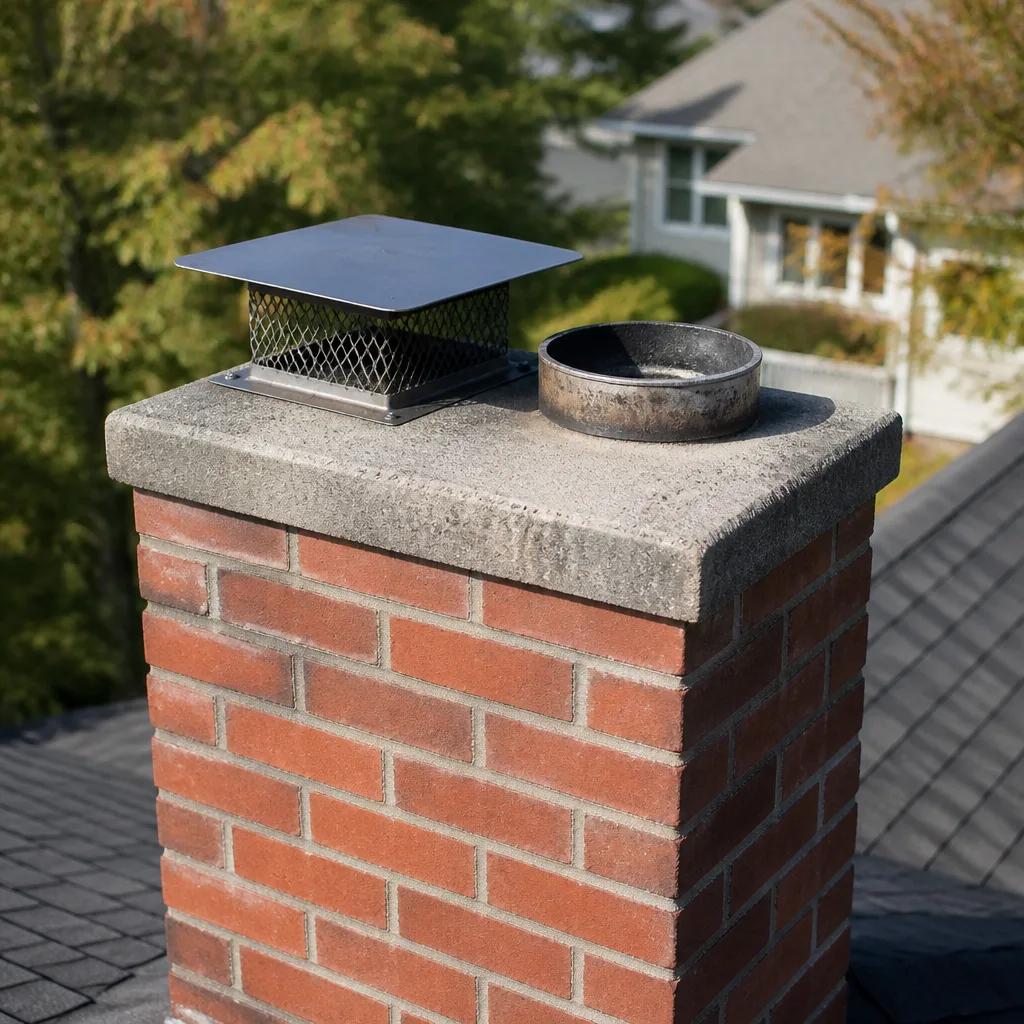
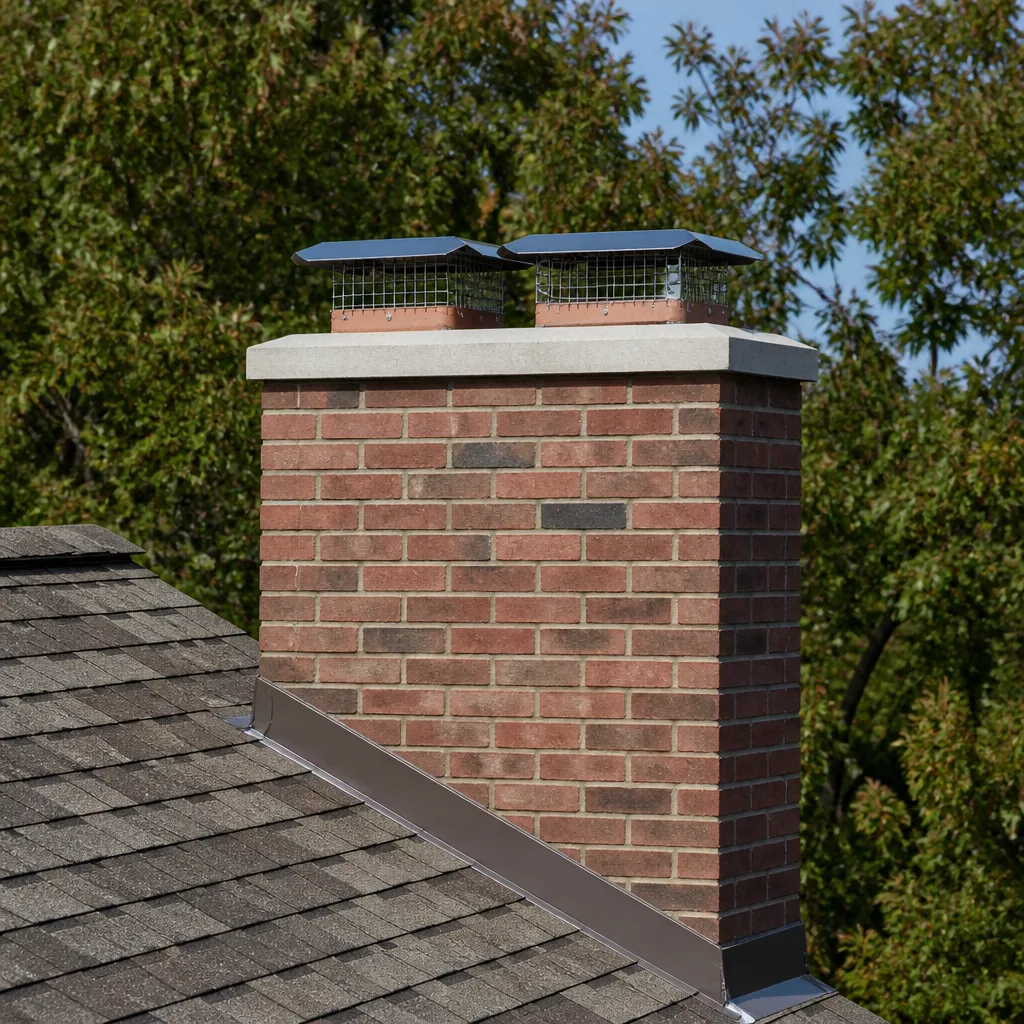
- Chimney cap replacement: typically $200 – $450 installed, depending on cap type and flue configuration. A cap is one of the two most critical barriers against water intrusion.
- Crown coating or crown repair: typically $300 – $700 for a coating or resurfacing; full crown rebuild runs higher. The crown is the other critical water barrier – the sloped concrete top that sheds rain off the chimney.
- Damper repair or replacement: typically $175 – $400, depending on whether the damper is top-mount, throat-mount, or part of an insert assembly.
- Waterproofing (masonry treatment): typically $250 – $600 for a typical residential chimney, applied after the crown and cap are sound.
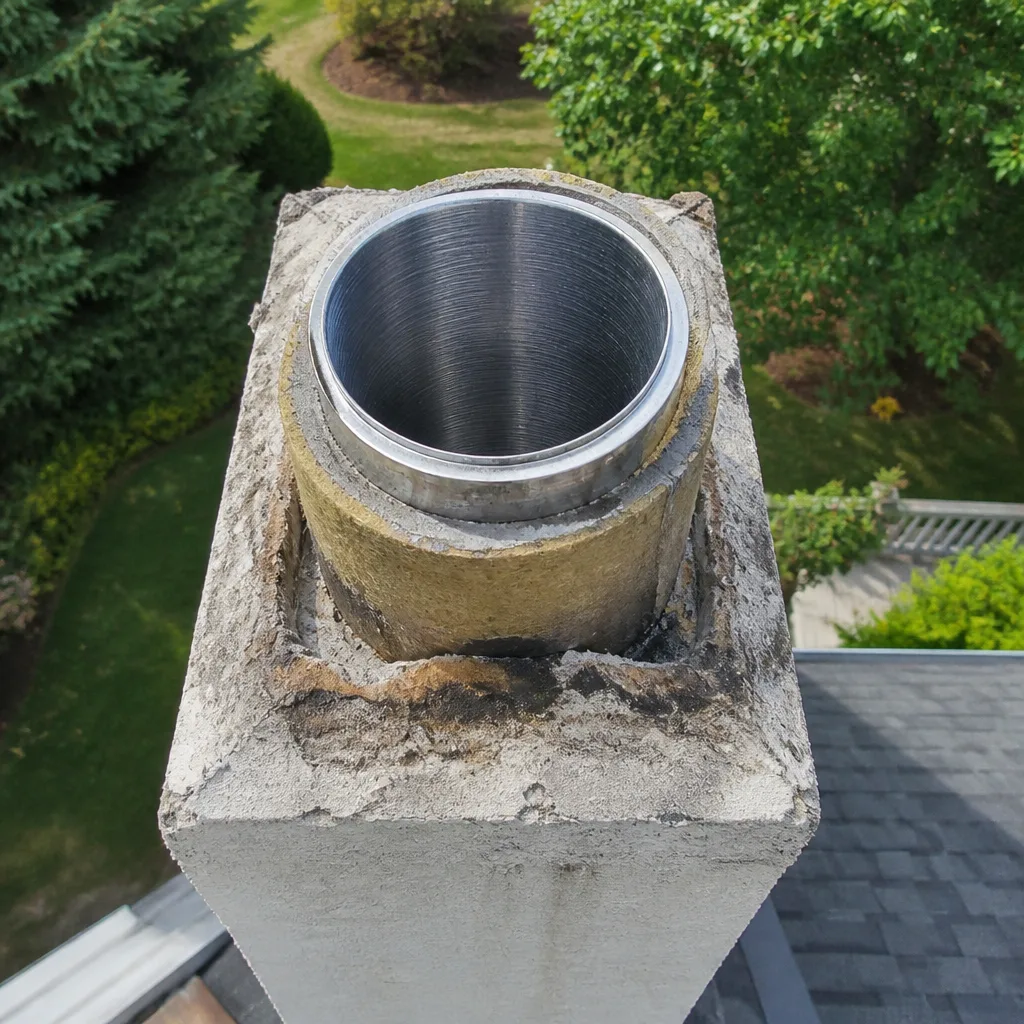
- Liner resurfacing with HeatShield: typically $1,800 – $3,500, depending on flue length and condition. HeatShield resurfacing restores a damaged clay liner without full demolition.
- Flexible liner installation with DuraFlex: typically $2,800 – $5,500 for a full stainless flexible liner, depending on height, insulation, and appliance requirements.
- Fireplace repair (masonry, firebox, damper): varies by scope; typically quoted after inspection rather than as a flat add-on.
The cap and crown matter more than most homeowners expect. Water intrusion is the number one cause of chimney deterioration in western Washington, and the cap and crown are the two barriers that stop it. Skipping them at the point of a cleaning means you’ll be paying for masonry repair later instead. We install caps and crowns as part of our chimney repair scope, and we specify components from brands like Copperfield and Olympia Chimney because those are the parts professionals actually install and stand behind – not the hardware-store substitutes that fail in a couple of seasons.
How to Calculate Cost-Per-Service Over a Chimney’s Lifespan
Here’s the calculation that changes how homeowners think about chimney spending. Instead of comparing this year’s cleaning price to last year’s, compare the total cost of ownership over ten to fifteen years across two scenarios: keep repairing, or replace the liner once.
The comparison looks like this:
- Estimate your annual cleaning cost. Take the typical Lake Stevens cleaning-plus-inspection range – say $300 as a planning figure – and multiply by the number of years you expect to stay in the home. Five years is a reasonable horizon for most homeowners.
- Add the likely repairs. A cap replacement and crown coating are the most common follow-ups. Budget the ranges above into your five-year cost.
- Now compare to a liner replacement. If your clay liner is cracked or deteriorated, the annual repair cycle doesn’t fix the underlying problem – it just delays it. A DuraFlex flexible liner or a HeatShield resurfacing solves the cause.
- Divide each scenario by years of remaining service life. A $3,000 liner replacement over 20+ years of service is often cheaper per year than three or four repair cycles on a liner that keeps failing.
The honest answer, in our experience, is that most Lake Stevens chimneys don’t need a liner replacement yet. Some do. The difference should be documented with camera evidence before anyone recommends a five-figure scope – and if it can safely wait a season, we’ll tell you that instead.
What Unusually Low Quotes Typically Exclude
An unusually low cleaning quote is rarely a bargain. It’s usually a sweep with the scope stripped out. Here’s what commonly disappears:
- Inspection of the smoke chamber. The smoke chamber is the transition between the firebox and the flue – it’s hidden behind masonry, and it’s where creosote accumulates out of reach of a standard brush. Skipping it means skipping the area that catches fire first.
- Firebox cleaning. A flue-only sweep leaves ash and soot in the firebox, which is the part of the system the homeowner actually sees and uses.
- Damper check. A damper that doesn’t close properly lets heat out and cold air in – and, more importantly, can fail to vent smoke correctly.
- Crown and cap inspection. These are the water barriers. Skipping them is how a $99 sweep becomes a $3,000 masonry repair two winters later.
- Written documentation. A verbal “all clear” is not an inspection. If there’s no report, there’s no record of what was checked or what was found.
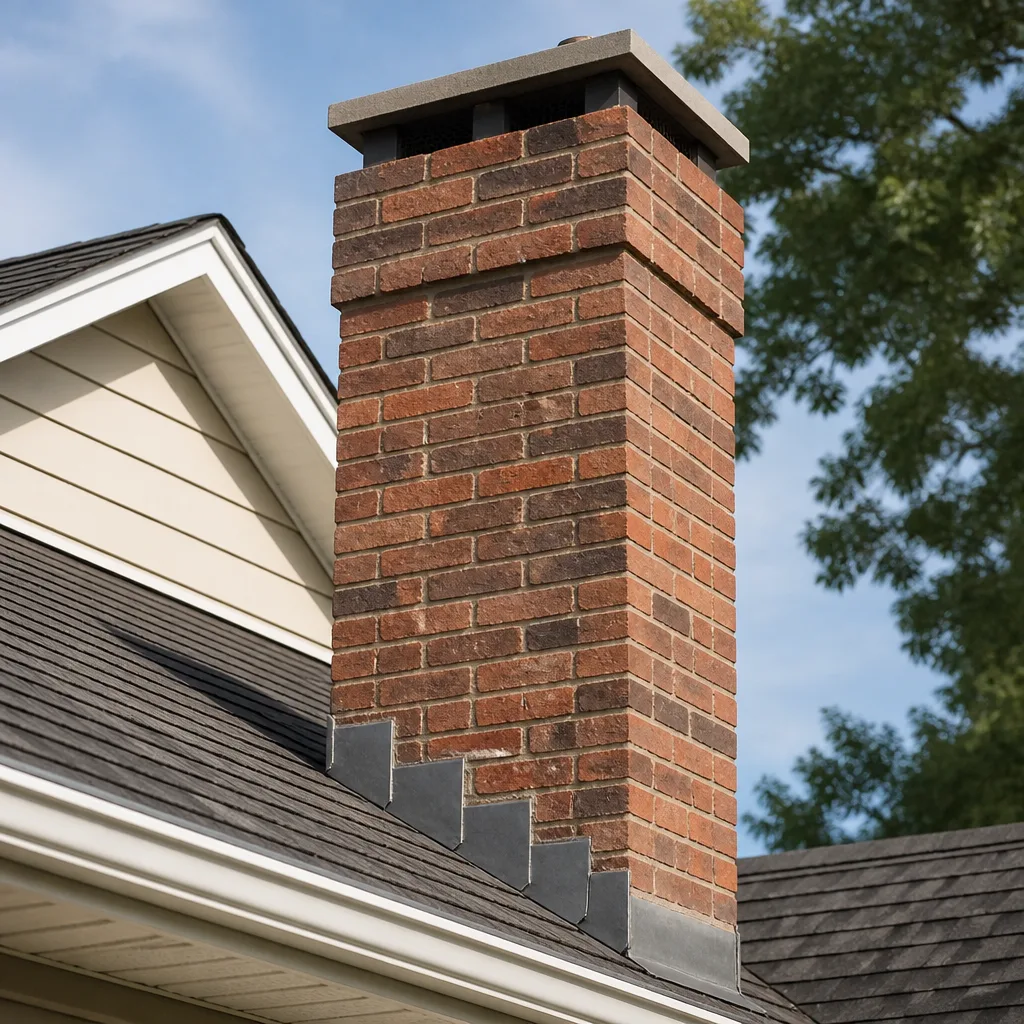
- Flashing inspection at the roof line. Loose or failing flashing lets water in at the roof penetration – one of the most common and cheapest-to-catch problems on a Lake Stevens roof.
The downstream cost of a stripped-down sweep isn’t the sweep price. It’s what you pay when a skipped item becomes a repair. A seized damper, a cracked crown, or a degraded cap that goes unchecked for two or three years is a masonry problem, not a cleaning problem.
How to Evaluate a Quote: A Step-by-Step Method
When you have two or three quotes in hand, run them through this same set of questions. The contractor who can answer all of them clearly is the one whose number you can trust.
- Ask exactly what the cleaning covers. Flue only, or flue plus firebox plus smoke chamber? Write down the answer.
- Ask whether an inspection is included and at what level. Level 1 for a visual check, Level 2 if a camera is run. Ask whether you’ll receive a written report – you should.
- Ask how the contractor handles findings. A good crew will show you the problem (photos or camera footage) and tell you honestly whether it needs to be fixed now or can wait.
- Ask what the add-on prices are before the work starts. Cap, crown, damper, waterproofing – get the ranges up front so nothing is a surprise.
- Ask whether the contractor is licensed and insured as the state requires. This is not optional for anyone working on your roof or near your venting system.
- Compare totals against scope, not against each other. A $250 quote that includes a written Level 1 inspection is often better value than a $150 quote that includes neither.
That last question – “can this wait?” – is the one homeowners rarely hear answered honestly. Nothing gets recommended here without camera evidence you can see for yourself, and if it can safely wait, we say so. Find a crew that does the same. Our chimney sweep service includes documentation as standard because a report you can keep on file is the difference between knowing your chimney’s condition and hoping it’s fine.
Snohomish County Context: Climate, Housing, and Burning Season
Chimney costs in Lake Stevens aren’t identical to costs in a drier climate, and it’s worth understanding why. Western Washington’s damp winters – long stretches of cool, wet weather – mean chimneys here spend more of the year cold. Cold flues draw poorly. Poorly drawing flues produce more creosote. And wet exterior masonry, combined with the freeze-thaw cycles Snohomish County gets, is what cracks crowns and opens mortar joints over time.
The practical result: Lake Stevens homeowners tend to burn through a heating season that runs from fall into spring, and chimneys that sit unused between seasons accumulate moisture from the outside if the cap or crown is compromised. Waterproofing and a sound crown are particularly valuable here. The schedule most Lake Stevens homeowners land on is a cleaning and inspection before the burn season begins, when the system can be assessed in the dry and any repairs can be made before cold weather. If your chimney has a cap that’s missing or a crown that’s showing cracking, address it before the rain settles in.
The housing stock matters too. Lake Stevens has a mix of older masonry chimneys and newer prefabricated systems, and the cleaning and inspection approach differs. Prefabricated systems have specific venting requirements and should be assessed by someone familiar with them. If your home has a prefab system and your last inspection didn’t cover the venting configuration, ask for a Level 2 inspection before the next burn season. For related coverage, our fireplace repair page covers the appliance side of the system.
Common Mistakes to Avoid
- Buying on price alone. The cheapest quote and the most expensive quote often include different work. Compare scope, not just the number. If they can’t tell you what’s included, that’s the answer.
- Skipping the inspection because the cleaning “went fine.” A clean flue is not a safe chimney. The inspection is what catches a cracked liner, a compromised crown, or a failing cap before it becomes a repair.
- Waiting until the first cold snap to call. Lake Stevens chimney work slows down when the burn season starts and everyone wants an appointment. Book before the season, when the schedule is open and the chimney can be assessed in dry conditions.
- Treating a cap or crown issue as cosmetic. Water intrusion doesn’t announce itself. By the time you see a stain on the ceiling, the crown has been failing for a while.
- Assuming “cleaned” means “documented.” If you didn’t get a written report, you don’t have a record of your chimney’s condition. That matters at resale and it matters next season.
- Hiring someone who won’t show you the findings. A legitimate repair recommendation is supported by camera footage or photos you can see. If a contractor tells you the liner needs replacement without showing you why, get a second opinion.
- Burning unseasoned wood to save on fuel costs. Green or wet wood produces more creosote and more chimney maintenance. Seasoned firewood is cheaper than the cleaning it prevents.
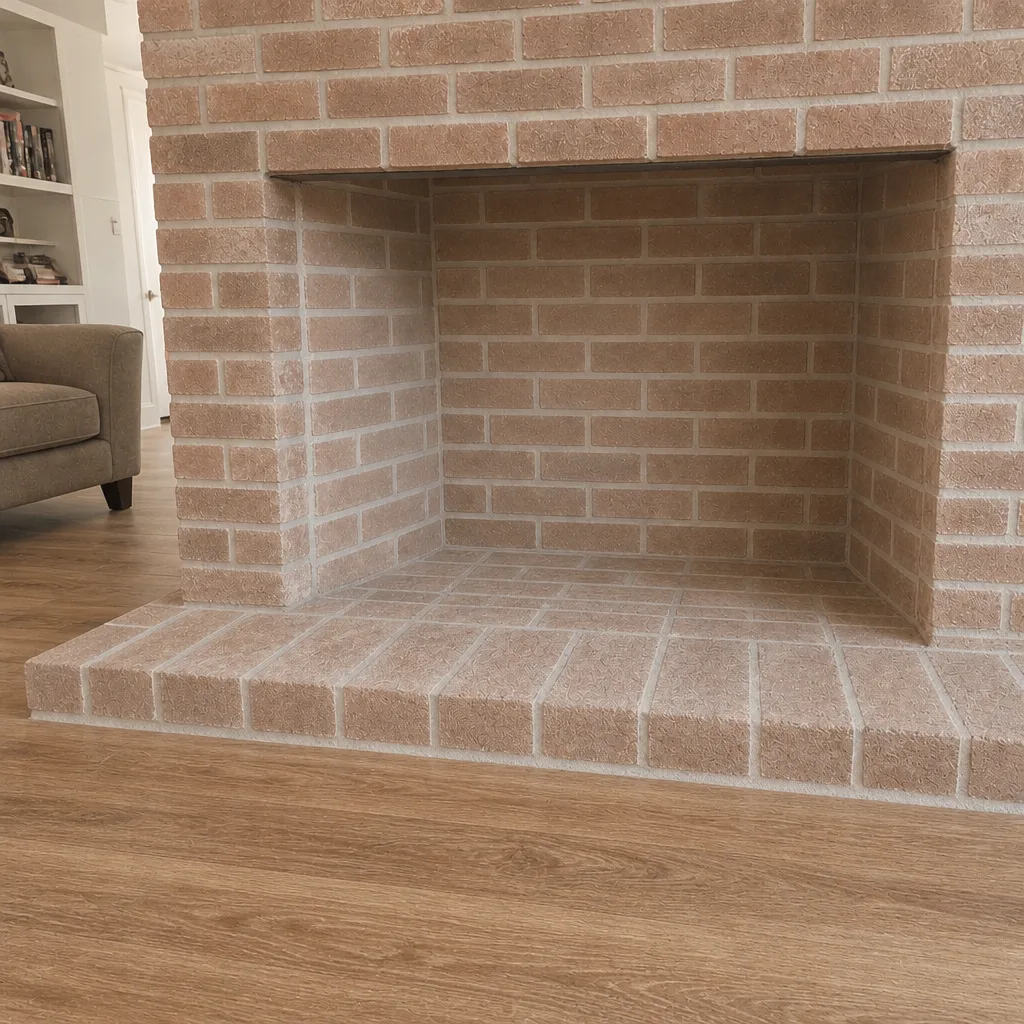
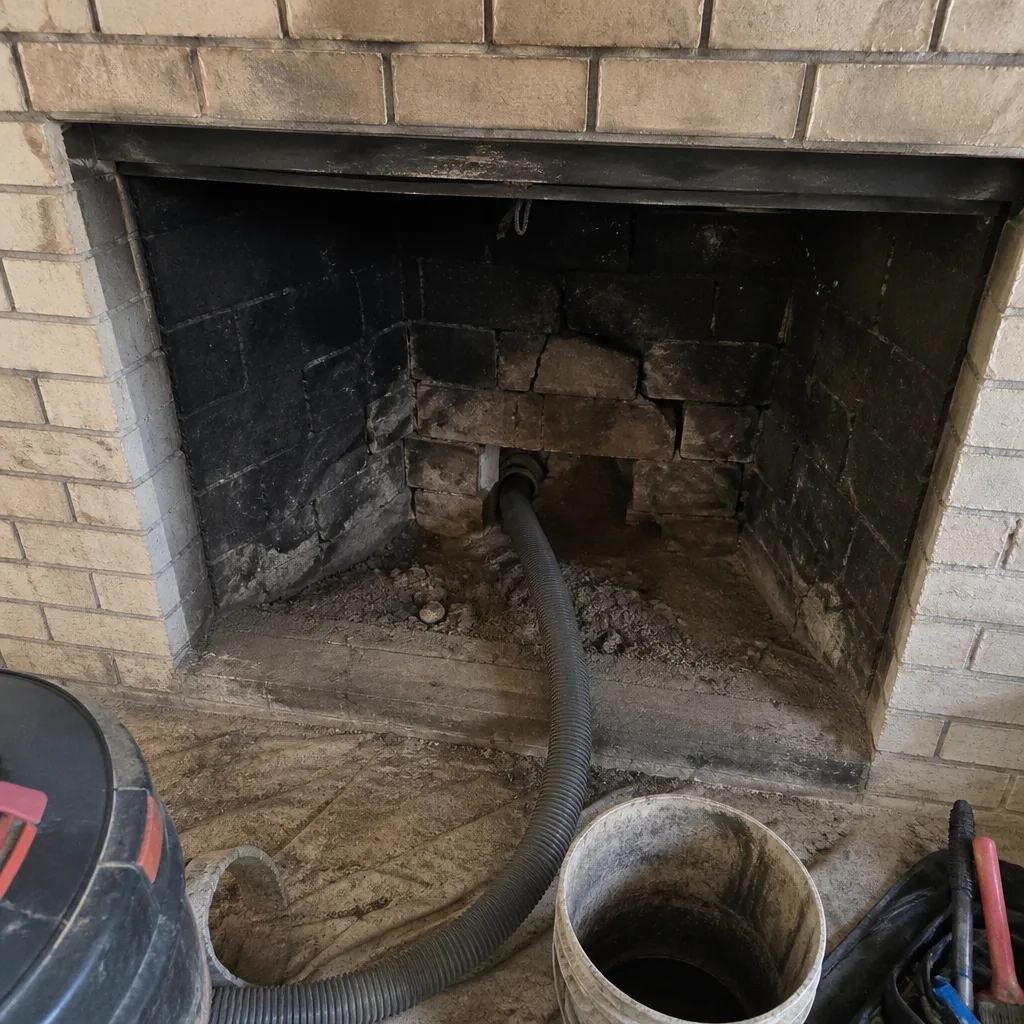
See the difference
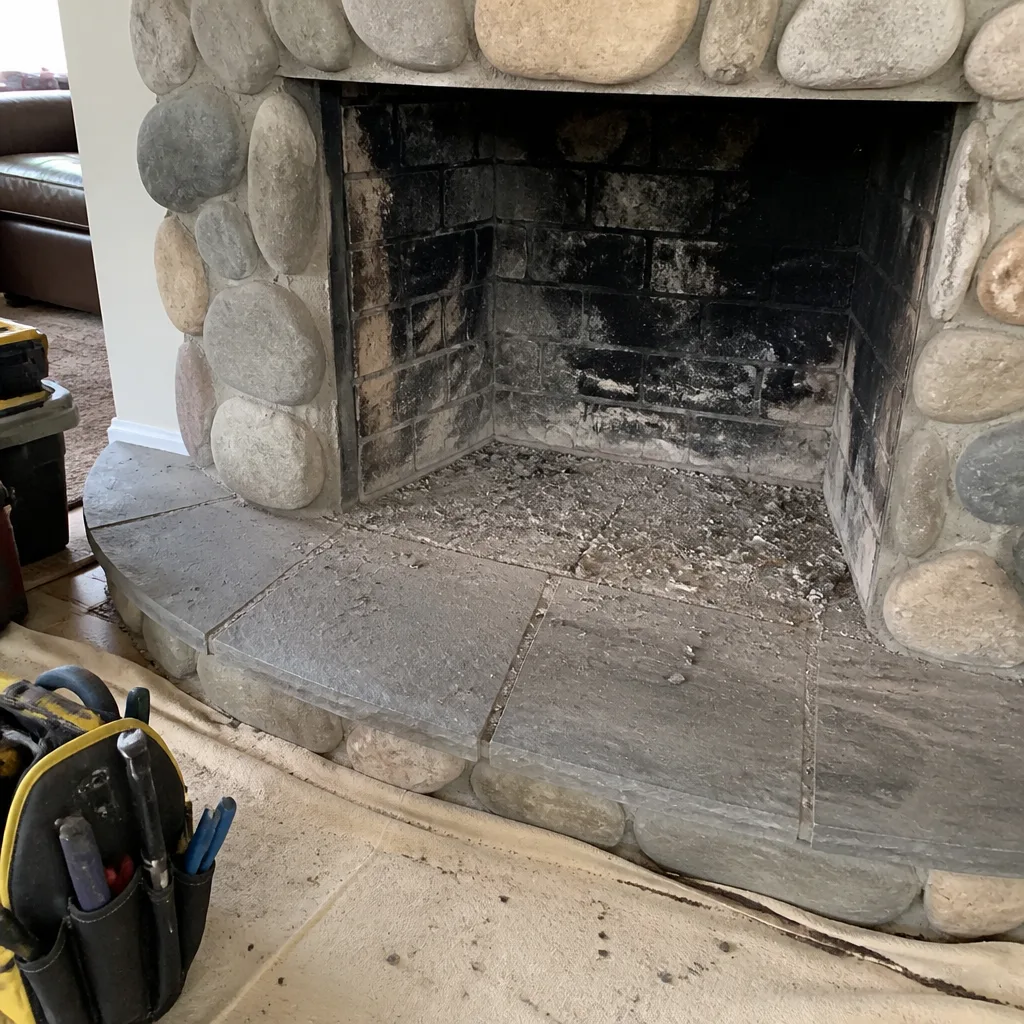 Before
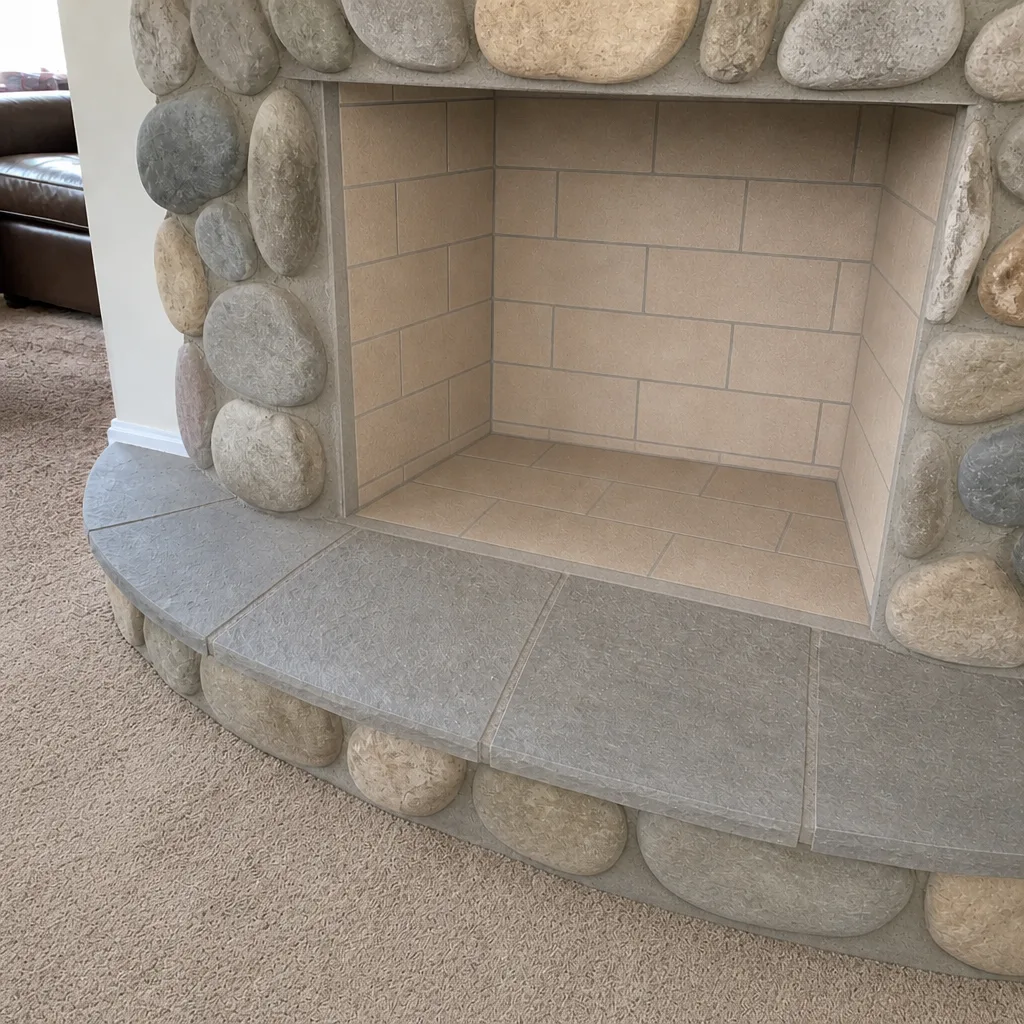 After
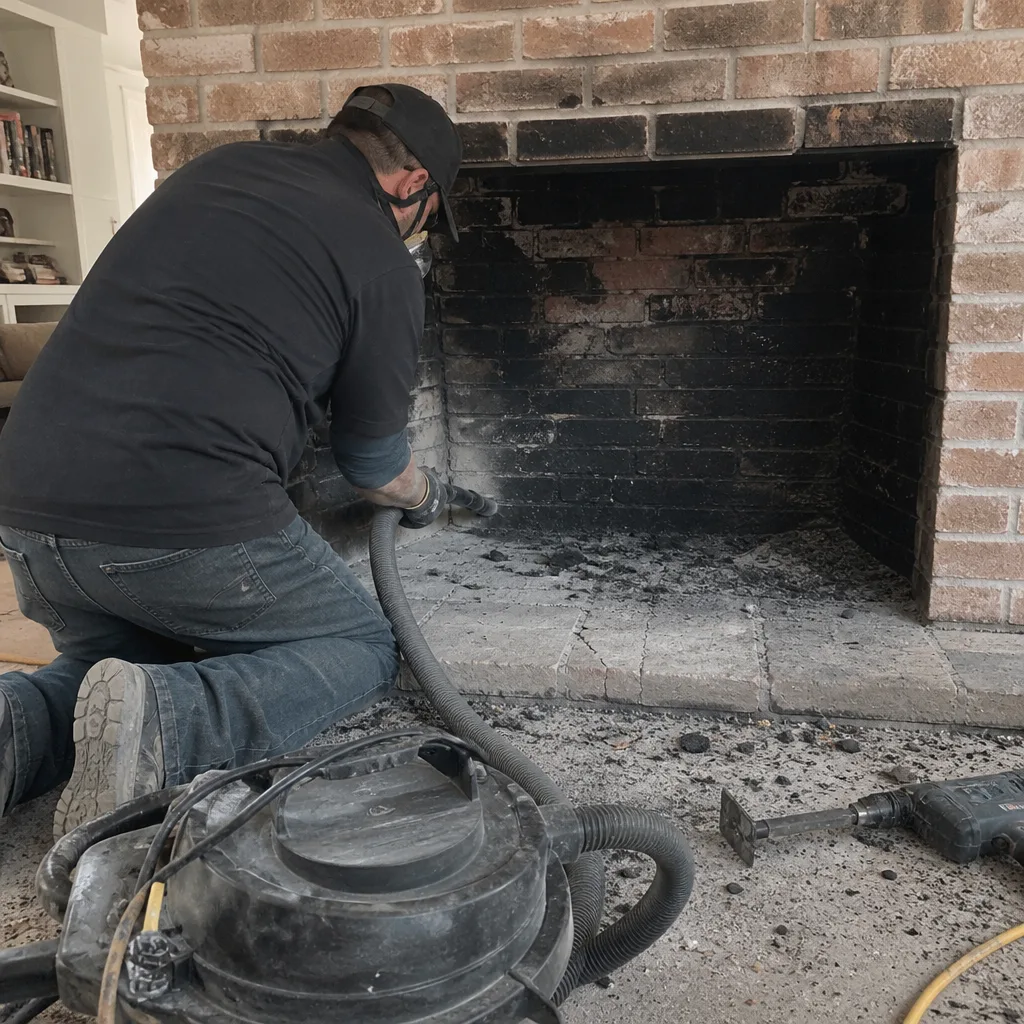 Before
 After
 Before
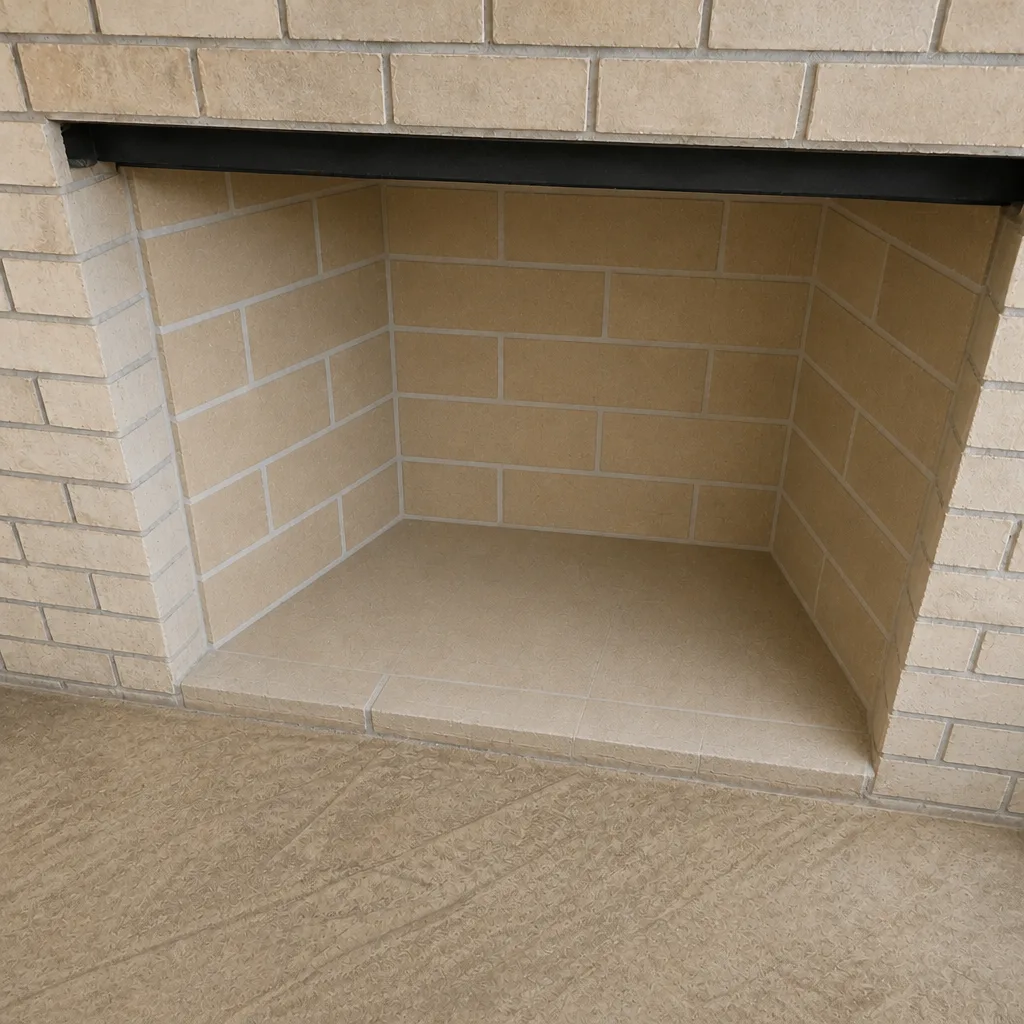 After
When to Call a Professional
Some chimney work is routine maintenance. Some is a safety matter that shouldn’t wait. Call a professional when you’re scheduling your annual cleaning and inspection, when you notice smoke backing into the room instead of drawing up the flue, when you smell a strong creosote odor even when the fireplace is cold, when you see stained or crumbling masonry on the chimney exterior, or when you’ve moved into a new-to-you home and don’t have a recent inspection report. Glazed, hardened creosote, a cracked liner, or a firebox with damaged masonry are all reasons to stop burning and get an assessment – those are not conditions to work around. A trained technician has the tools and the camera equipment to see what a visual check can’t. Chimney Sweep Lake Stevens offers free estimates in Lake Stevens. Call (855) 550-7486. We answer 24/7. Fast dispatch from 7am to 7pm, Sunday through Friday.
Frequently Asked Questions
Chimney cleaning in Lake Stevens typically runs $180 to $320 for a standard cleaning, $240 to $400 with a Level 1 inspection included, and $350 to $550 with a Level 2 inspection and camera. The written estimate after we see your chimney sets the final price. Call (855) 550-7486 for an exact quote – estimates are free.
Not necessarily, and you shouldn’t accept that recommendation without seeing the evidence. A liner needs replacement when there’s visible cracking, gaps, or deterioration in the clay tiles that a camera scan shows clearly – not because a sweep “found something.” We recommend liner work only when the camera footage supports it, and we’ll tell you plainly if it can safely wait. If a liner is genuinely failing, resurfacing with HeatShield or a DuraFlex flexible liner restores the system without demolition. Call (855) 550-7486 to book a documented inspection.
A chimney used regularly for wood burning should be swept and inspected annually, before the burn season starts. Homes that burn heavily or burn less-seasoned wood may need it more often. Gas appliances need an annual venting check but produce far less solid creosote. The one-year rule isn’t about a fixed number of fires – it’s about catching deterioration before it compounds. Call (855) 550-7486 to schedule yours.
Creosote keeps building, and at the glazed stage it becomes the fuel that chimney fires burn. The other risk is quieter: a cracked crown or a degraded cap lets water into the masonry, and water damage gets more expensive the longer it goes unaddressed. Skipping cleaning doesn’t save money – it shifts the cost to a larger repair. Call (855) 550-7486 before the season to get on the schedule.
Low quotes usually strip out the parts you can’t see: no smoke chamber inspection, no firebox cleaning, no damper check, no written report. The cleaning still happens, but the assessment doesn’t. If you’re comparing quotes, ask each contractor exactly what the price includes and whether you’ll get a written inspection report. Call (855) 550-7486 for a line-item estimate you can compare.
Yes. We provide standalone Level 2 inspections with camera documentation, suitable for a real estate transaction or for your own records. You’ll receive a written assessment you can keep on file. If a buyer or seller needs documentation of a Lake Stevens chimney’s condition, call (855) 550-7486 to schedule. Estimates are free.
The Bottom Line
Chimney cleaning pricing in Lake Stevens isn’t complicated once you break it down by scope. Cleaning only runs $180 to $320; add a Level 1 inspection and you’re in the $240 to $400 range; run a camera and it’s $350 to $550. The variation you see in quotes isn’t the market being random – it’s the market quietly including and excluding different work. Compare scope, ask for the written report, and demand camera evidence before any repair recommendation. If you want a line-item estimate you can actually compare, call us. We specify the same professional-grade components used by certified chimney professionals nationwide – Copperfield, Olympia Chimney, Gelco, and DuraFlex – because the parts and the process are what make the chimney last.
Chimney Sweep Lake Stevens handles cleaning, formal inspections, fireplace and chimney repair, and cap and crown installation as one scope, so one call covers the whole system. Our technicians have up to 15 years of experience. Call (855) 550-7486 for a free estimate. We answer 24/7. Fast dispatch from 7am to 7pm, Sunday through Friday.
For a broader overview of our services, start with the Chimney Sweep Lake Stevens main page.
Written by the team at Chimney Sweep Lake Stevens.